In a new interview, the veteran guitarist discusses "Into Oblivion," the band's polarizing logo overhaul, and why almost 30 years in, Lamb of God would rather write new songs than cash in on an anniversary tour.
Lamb of God guitarist Mark Morton just gave one of the more candid interviews of the band's current album cycle, and the most interesting part isn't really about the music. Speaking with the Spanish outlet MondoSonoro, Morton discussed the making of "Into Oblivion," the band's tenth studio album under the Lamb of God name, and touched on a decision that runs against one of the biggest trends in rock and metal touring right now: Lamb of God was asked about doing an anniversary tour for their breakthrough 2006 album "Sacrament" and turned it down in favor of focusing on new material.
That's notable because anniversary tours have become one of the most reliable revenue engines in live music. Legacy rock and metal acts routinely fill arenas playing a classic album front to back, banking on nostalgia in a touring market where new-album cycles carry more financial risk. Lamb of God has played that game before — the band toured in support of the 20th anniversary of 2004's "Ashes of the Wake" — but Morton's comments suggest the band sees a difference between occasionally honoring its catalog and leaning on it as a business model.
Who Is Lamb of God, and What Is "Into Oblivion"?
Lamb of God formed in Richmond, Virginia, in 1994, originally performing under the name Burn the Priest before adopting their current name in 1999. The band — guitarists Mark Morton and Willie Adler, bassist John Campbell, drummer Art Cruz, and vocalist Randy Blythe — is widely credited as one of the defining acts of the new wave of American heavy metal. This groove-and-thrash-indebted movement also produced bands like Shadows Fall and Killswitch Engage. Over three decades, Lamb of God has built a catalog that includes two RIAA Gold-certified albums and multiple Grammy nominations, including nods in 2010, 2011, and 2016.
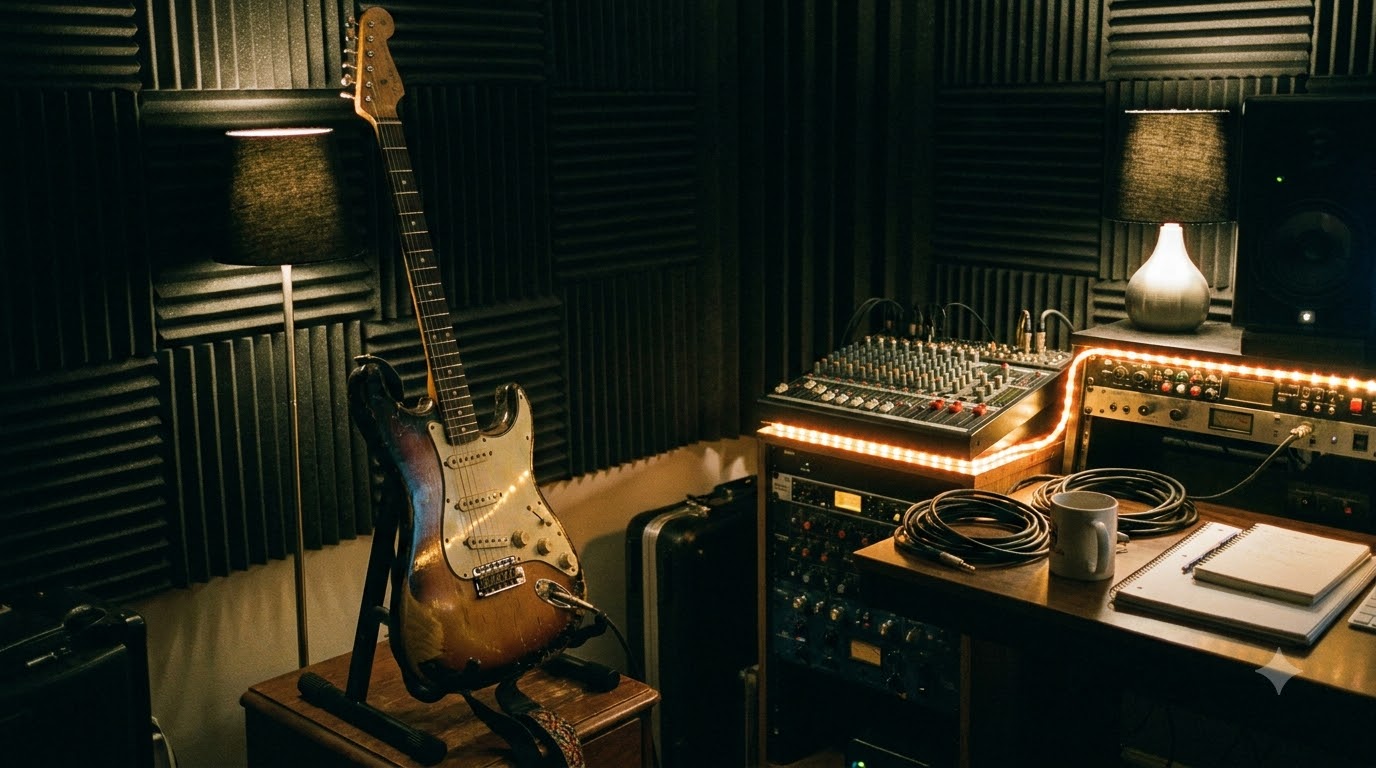
"Into Oblivion" arrived on March 13, 2026, through Century Media and Epic Records, produced once again by longtime collaborator Josh Wilbur. The ten-track record was tracked across several locations tied to the band's history: drum and guitar sessions in Richmond studios, Blythe's vocals recorded solo at Total Access Recording in Redondo Beach, California, and additional work done in Morton's own home studio. The album debuted at No. 21 on the Billboard 200 and moved roughly 26,000 copies in its first week in the US, with independent record stores across dozens of states hosting listening parties around the release.
Inside the "Into Oblivion" Sessions
According to Morton, the recording approach for "Into Oblivion" was deliberately low-stress. Splitting sessions between his home studio and outside facilities took the time pressure off, and he described the overall process as unusually comfortable compared to past album cycles. The songwriting method itself didn't change: the band still builds tracks riff-first before developing full demos, a workflow Morton says has stayed consistent across their catalog.
He also pushed back on the idea that "Into Oblivion" represents any stylistic reinvention. Morton avoids the word "experimentation" entirely, but he does point to specific songs — "Sepsis" and "El Vacío" among them — as moments where the band stretched beyond its usual attack. "El Vacío" stands out as one of the more restrained tracks in Lamb of God's catalog, and Morton described it as carrying real emotional weight, saying the song references two specific people who are no longer alive without naming them further.
Lyrically, the album leans into the same territory Blythe — who writes nearly all of the band's lyrics — has explored throughout the band's career: a bleak read on where American society is headed. Blythe has said elsewhere that the album's title reflects his view of an accelerating breakdown in the social contract, and tracks like "The Killing Floor" carry that thread. Morton, for his part, was matter-of-fact about the band's lane: after 25-plus years as a heavy metal band, he said, writing about anything softer than "dark and heavy imagery" was never really on the table. He added that he prefers to let listeners draw their own conclusions from the material rather than spell out a message.
The Logo Change That Became Its Own Story
Alongside the album, Lamb of God retired the wordmark logo it had used for roughly two decades — a gothic-tinged Papyrus-based design fans strongly associated with the band's identity — in favor of a cleaner, more minimal mark. Morton told MondoSonoro the idea was his, driven by a sense that the band was entering a new creative era and wanted visuals to match. In separate interviews conducted around the same period, both Morton and Blythe have been blunt about the old design's shortcomings, with Blythe, at one point, comparing it to signage you'd see outside a takeout restaurant.
The response online was not gentle. Fans and commentators variously called the redesign generic, corporate, and forgettable, a reaction that tracks with a broader pattern in band branding: longtime audiences tend to treat a logo as part of a group's identity, not just marketing, so any change reads as higher-stakes than it would for most consumer brands. Lamb of God didn't walk it back. Months later, Morton addressed the ongoing debate directly on social media, noting that the "Into Oblivion" mark is actually the band's seventh logo in its history — context that reframes the redesign less as a rupture and more as a continuation of something the band has quietly done before.
Why This Matters Beyond One Album Cycle
Two things about this story are worth separating from the routine album-promotion cycle. First, the Sacrament anniversary tour question is a real data point on how a financially secure, decades-deep band thinks about its own catalog. The nostalgia-touring economy rewards bands for replaying their past, and plenty of acts at Lamb of God's level have leaned into that model hard. Choosing new music over an anniversary run, even temporarily, is a bet that a band's audience will still show up for what's next rather than only what's already familiar — a bet not every legacy act is willing or able to make.
Second, Morton's comments about mental health stood out as unusually direct for a metal interview. He told MondoSonoro that spending more time with his phone turned off has measurably improved his state of mind, a small aside that fits into a much larger conversation currently happening across music and entertainment about touring musicians, social media, and burnout. It's a minor detail in the interview, but it's also the kind of offhand admission that says more about an artist's actual daily life than most press-cycle talking points do.
What's Next for Lamb of God
Lamb of God supported "Into Oblivion" with a North American headline run in March and April of 2026 and has continued touring through the summer. Morton told MondoSonoro he'd like to bring the band back to Spain, a market he described warmly, though no date has been confirmed. Separately, the band has already announced a 2027 European and UK tour alongside Five Finger Death Punch and Bleed from Within, suggesting international dates remain a priority even without a firm Spanish stop yet locked in.
For now, the Sacrament anniversary tour idea appears shelved rather than scrapped outright — Morton's framing left the door open for later, just not right now. Between a new album still finding its footing on the road, a rebranded visual identity the band shows no sign of reversing, and international touring plans stacking up into 2027, Lamb of God's near-term focus looks less like a victory lap and more like a band still trying to top itself a quarter-century in.
Frequently Asked Questions
What is Lamb of God's new album called? "Into Oblivion," released March 13, 2026, through Century Media and Epic Records. It's the band's tenth studio album under the Lamb of God name.
Who produced "Into Oblivion"? Josh Wilbur, who has produced Lamb of God's albums for years, returned to produce the record.
Why did Lamb of God change their logo? Guitarist Mark Morton said the band wanted a visual refresh to match what they saw as a new creative era, moving away from a roughly 20-year-old wordmark design. Both Morton and vocalist Randy Blythe have said publicly that they saw the older design as dated.
Is Lamb of God touring for the 20th anniversary of "Sacrament"? Not currently. Guitarist Mark Morton said the band has already toured in support of the 20th anniversary of 2004's "Ashes of the Wake" and is choosing to focus on "Into Oblivion" and its touring cycle instead.
Who writes Lamb of God's lyrics? Vocalist Randy Blythe writes the vast majority of the band's lyrics, which frequently explore dark, socially critical themes.
What does the song "El Vacío" mean? According to Mark Morton, the song is a tribute referencing two specific people who have died, though he hasn't named them publicly.
Is Lamb of God touring in Europe? The band has announced a 2027 European and UK tour with Five Finger Death Punch and Bleed from Within. A return to Spain specifically hasn't been scheduled yet, though Morton has said he'd like to make it happen.
How did "Into Oblivion" perform commercially? The album debuted at No. 21 on the Billboard 200 and sold approximately 26,000 copies in the US in its first week.
Key Takeaways
- Lamb of God guitarist Mark Morton discussed "Into Oblivion" and the band's creative direction in a new interview with Spanish outlet MondoSonoro.
- The band turned down a 20th-anniversary tour for 2006's "Sacrament" to keep the focus on new music, a choice that runs against the broader nostalgia-touring trend in rock and metal.
- "Into Oblivion" debuted at No. 21 on the Billboard 200 and sold about 26,000 first-week copies in the US.
- The album's redesigned logo, the band's first major visual overhaul in about two decades, drew significant online fan backlash, which the band has not walked back.
- Morton says the band's songwriting process — riffs first, then demos — hasn't changed despite the record's more restrained moments on tracks like "El Vacío" and "Sepsis."
- Vocalist Randy Blythe writes most of the band's lyrics, which continue to explore dark social and political themes on this record.
- Morton credited limiting his phone use with improving his mental health, a detail that connects to wider conversations about touring musicians and burnout.
- Lamb of God has a 2027 European and UK tour booked with Five Finger Death Punch and Bleed from Within, though a Spanish date remains unconfirmed.