
Dek: La Ludwig Band's keyboardist Pau Esteve broke down six classical works that shaped the band's sound, offering a rare look at how conservatory training feeds into contemporary pop-rock songwriting.
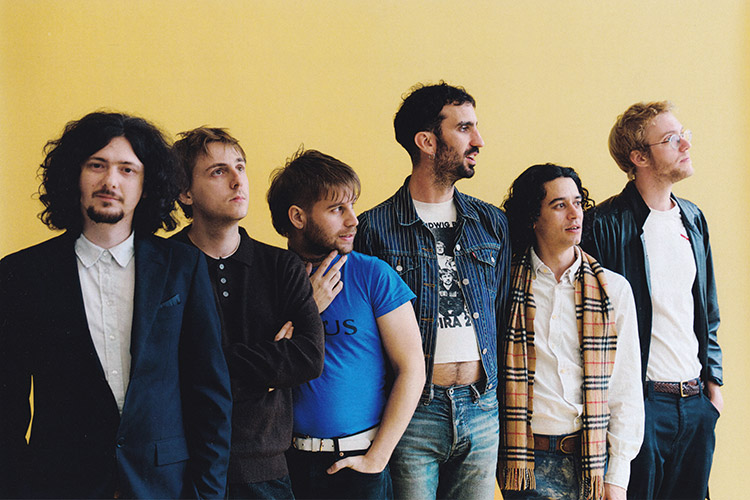
La Ludwig Band, one of the buzziest acts in Catalonia's current pop-rock scene, is having a big year. The six-piece released its fourth studio album, "Pel barri es comenta," in February 2026 and has spent the summer touring festival stages across Spain. In a recent feature published by the Spanish outlet MondoSonoro, keyboardist Pau Esteve walked through six classical pieces that shaped him as a musician — from Bach to Isaac Albéniz — giving fans a rare window into how a working pop-rock band's classical training actually shows up in the music.
The piece matters beyond Catalonia's borders. It's a case study in something the global music industry has been leaning into for years: artists using their own curated playlists and reference points as a marketing and fan-engagement tool, and streaming platforms making that kind of crossover content instantly shareable through embedded tracks. It also says something about where a new generation of rock and pop musicians — trained in conservatories and youth orchestras — actually come from before they pick up a synth and start writing verses about heartbreak and gentrifying neighborhoods.
Who Is La Ludwig Band?
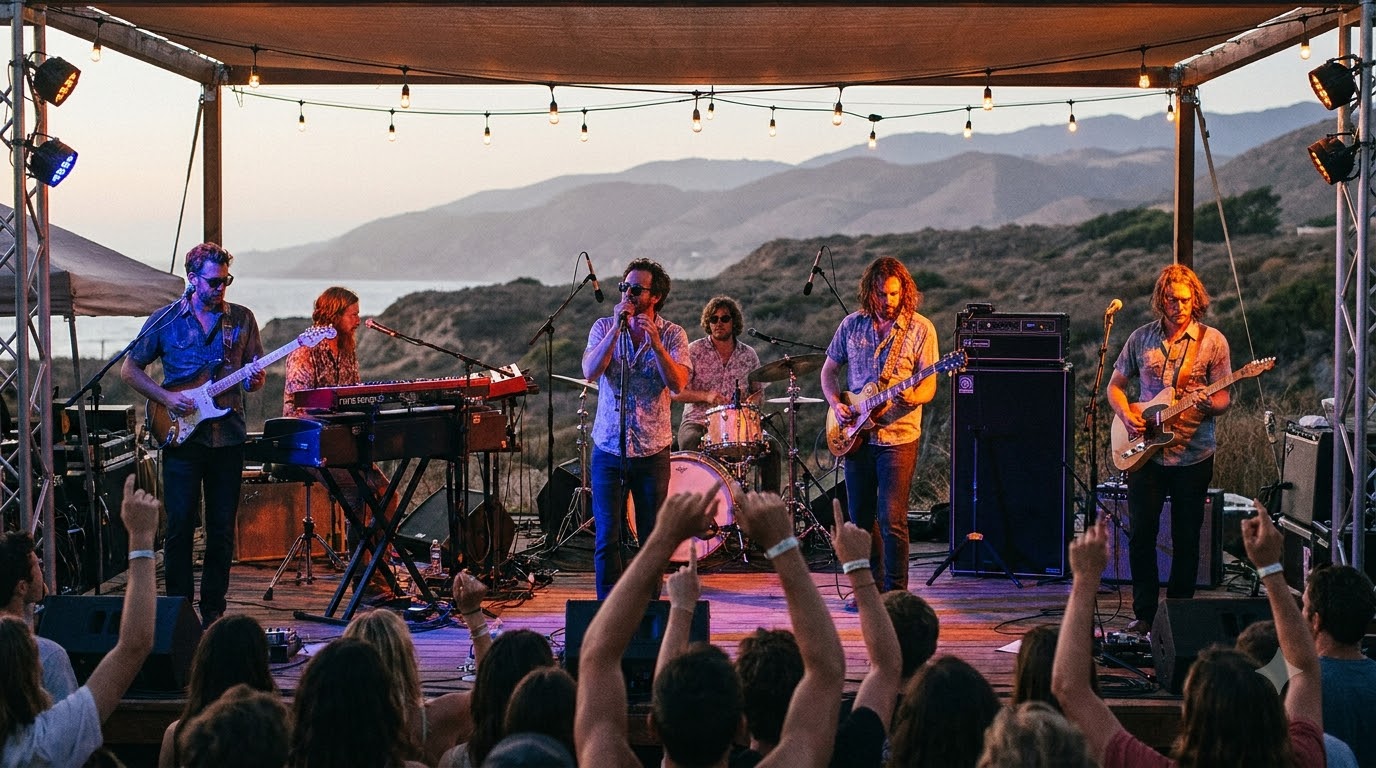
La Ludwig Band formed in 2017 in Espolla, a small town in Catalonia's Alt Empordà region, after members who had played together in earlier school bands joined forces. The group's name is a play on Ludwig van Beethoven, a nod to the fact that Esteve's classical picks are a lot more literal than most band-name puns.
Since their self-released 2018 EP, the band has moved quickly: a full-length debut in 2020, followed by "La mateixa sort" in 2021 (which won Catalan music magazine Enderrock's critics' award for album of the year and a Premi Cerverí for best Catalan-language lyric), an EP in 2022, and "Gràcies per venir" in 2023. Frontman and lyricist Quim Carandell has drawn frequent comparisons to Bob Dylan and Catalan singer-songwriters like Pau Riba and Jaume Sisa, while the band's live shows have built a reputation for chemistry and audience connection.
"Pel barri es comenta," released this past February through the band's own label, L'Animeta, is their most self-directed project yet — the first record where the six members controlled production entirely in-house. Critical response has been mixed but engaged: some outlets praised the album's instrumental maturity and its use of Barcelona as a recurring narrative backdrop, while others, including the Spanish magazine Rockdelux, felt the production leaned too polished and commercial compared to the rawer "Gràcies per venir." That kind of split reaction — grown-up sound, some fans wanting the old chaos back — is a familiar growing pain for any band moving from scrappy indie label to running its own imprint.
Breaking Down Pau Esteve's Classical Picks
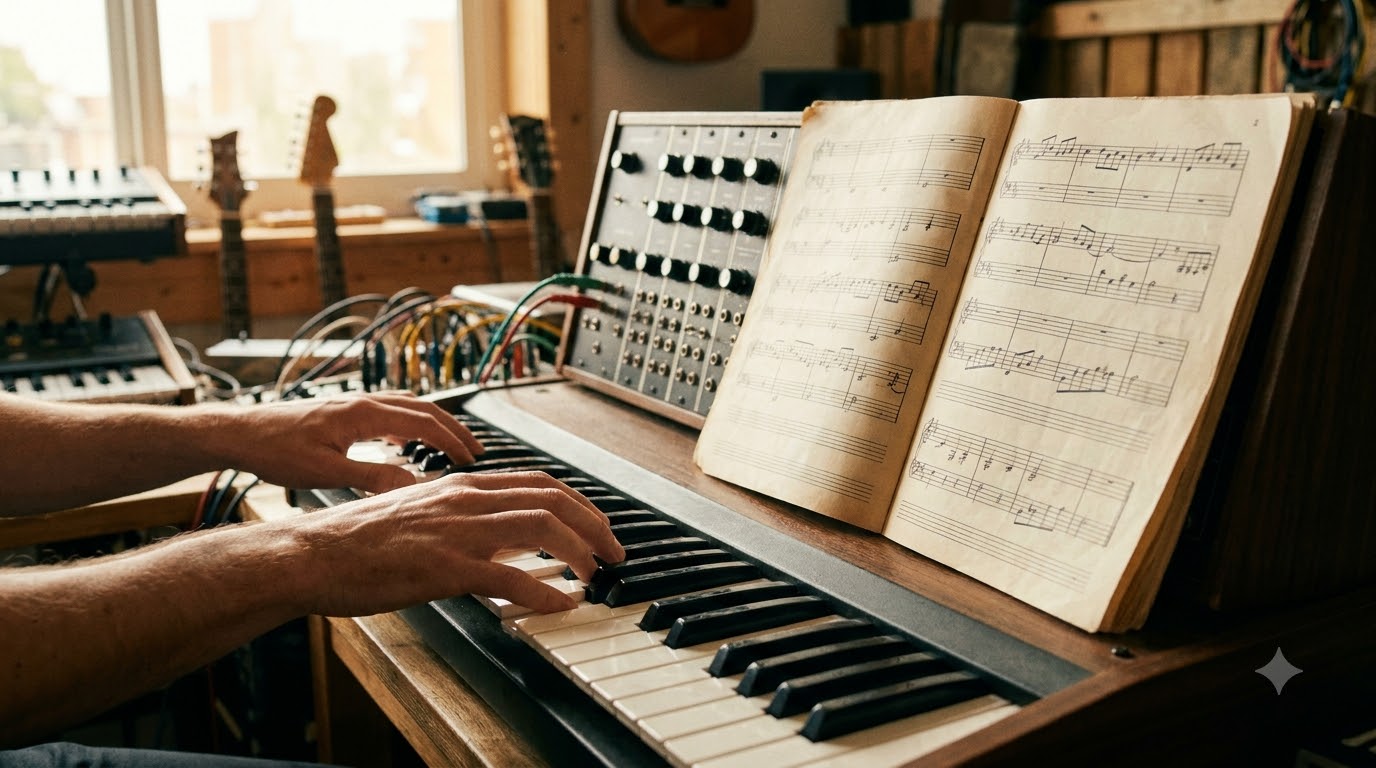
Rather than a generic "influences" list, Esteve's selections read like notes from someone who came up playing in youth orchestras before he ever plugged in a keyboard for a rock band. Here's what he picked, and why it's worth understanding even if you've never opened a classical playlist.
Edward Elgar — Serenade for Strings, Op. 20
Esteve credits a former orchestra conductor with calling this piece the most beautiful string work ever written, and while he's careful not to fully endorse that claim, he singles out the piece's closing movement as one of the most emotionally direct works he's had the chance to perform. For a keyboardist in a band known for earnest, character-driven lyrics, that emphasis on emotional directness over technical flash is telling.
Joseph Haydn — Symphony No. 83 in G Minor
Haydn and Mozart symphonies, Esteve says, were effectively his musical adolescence — repertoire his youth orchestra tackled every summer because it was demanding enough to challenge young players without being unreachable. He picked the 83rd specifically for the early-Romantic touches that show up in a mature-period Haydn work.
Arcangelo Corelli — Concerto Grosso No. 8 in G Minor, Op. 6
Baroque music, by Esteve's account, is the period he spent the most time listening to growing up, and Corelli's Christmas Concerto (its popular nickname) represents the style's formal and rhetorical techniques at their sharpest. It's famous for its final movement, but Esteve frames the whole piece as a unified statement rather than a highlight reel.
Aram Khachaturian — Violin Concerto in D Minor, Op. 46
This is the pick with the best origin story: Esteve first heard it live in the Catalan coastal town of Peñíscola, then went home and immediately sought it out again. He points to its post-tonal texture and Caucasian harmonic color as the source of what he calls its hypnotic quality, and specifically recommends a recording featuring violinist Ara Malikian, who shares Khachaturian's Armenian heritage.
Johann Sebastian Bach — Concerto for Two Violins in D Minor, BWV 1043
Esteve first performed this piece as an accompanist at age 15, and he still considers its opening movement Bach's best four-voice fugue. It's a piece that shows up constantly in string pedagogy for a reason — and hearing a rock keyboardist single out its harmonic sophistication says something about how classically trained musicians hear pop songwriting differently than self-taught peers.
Isaac Albéniz — Suite Española for Piano, Op. 47
Most listeners know this suite through "Asturias," usually heard on classical guitar, but Esteve points to the original piano version as the one that shaped him — and the one he keeps returning to. He describes it as a fusion of regional Iberian folk material with Albéniz's post-Impressionist harmonic language, and it's the closest thing on his list to a direct throughline into La Ludwig Band's own blend of local folk color and pop-rock structure.
Why Classical-Crossover Content Works for the Streaming Era
There's business logic underlying a feature like this, and it's worth naming. Embedded Spotify players turn a magazine interview into a functional discovery tool: a reader can sample Elgar or Khachaturian without leaving the article, and the outlet gets engagement numbers that a plain-text interview wouldn't generate. It's the same mechanic that drives "artists on their influences" content across genres — from rappers breaking down sample sources to pop stars walking through their workout playlists — because it converts a single piece of editorial into multiple streams of music discovery.
For an act like La Ludwig Band, still building recognition outside Catalan-language markets, that kind of shareable format does double duty: it deepens the band's identity (the Beethoven-referencing name suddenly has real substance behind it) while giving international outlets and fans a low-friction entry point into music sung in a language many readers don't speak.
The Bigger Cultural Pattern
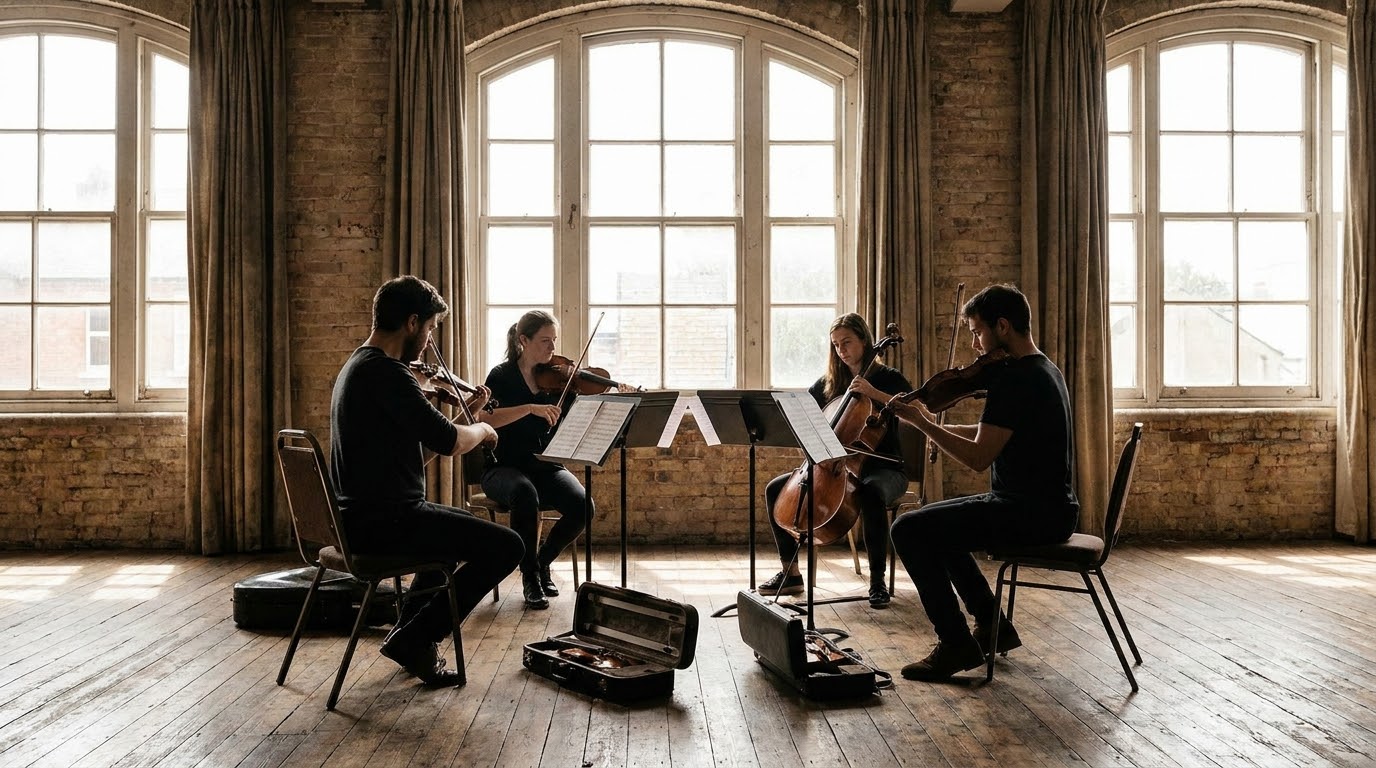
Musicians citing classical training isn't a new story, but it's a persistent one that tends to resurface every time a guitar-and-keys band breaks through in a streaming landscape dominated by hip-hop, pop, and electronic production. What's notable here isn't that a rock musician studied classical music — plenty do — it's the specificity and technical fluency Esteve brings to explaining why each piece matters, down to naming preferred recordings and specific performers. That's the vocabulary of someone who trained seriously, not someone reaching for cultural signifiers.
It also reflects something true about Spain's regional music scenes more broadly: youth orchestras and conservatory programs remain a common entry point for musicians who end up in indie rock and pop bands, a pattern less visible in markets where school music programs have shrunk. Esteve's reference to playing in a summer youth orchestra in the Terres de l'Ebre region is a small detail, but it points to a music education infrastructure that continues to feed Catalonia's independent scene.
What's Next for La Ludwig Band
The band spent the summer of 2026 on an extensive festival run supporting "Pel barri es comenta," playing stages across Catalonia and beyond as part of the broader wave of Catalan-language acts drawing bigger crowds at regional festivals. With four albums in under a decade and a track record of critical prizes, including the Enderrock and Cerverí honors for "La mateixa sort," the band is positioned as one of the names promoters point to when discussing the next generation of Catalan rock. Whether "Pel barri es comenta" ends up remembered as a transitional record or a breakthrough will likely depend on how the songs hold up on stage over the next year — the same test every band moving toward self-released, self-produced work has to pass.
For now, Esteve's classical detour offers something more durable than a single album cycle: a documented account of the technical and emotional reference points underneath a band whose name has always pointed straight at classical music, even when the songs themselves sound nothing like it.
FAQ
What is La Ludwig Band? La Ludwig Band is a six-piece pop-rock and folk group from Espolla, Catalonia, formed in 2017. The band sings primarily in Catalan and has released four studio albums, most recently "Pel barri es comenta" in February 2026.
Where does the name La Ludwig Band come from? The name is a wordplay reference to the composer Ludwig van Beethoven, even though the band's own music sits in pop-rock and folk rather than classical territory.
Who is Pau Esteve? Pau Esteve is La Ludwig Band's keyboardist. He co-directs Locus Estudi, one of the studios where the band's fourth album was recorded, and has a background in classical and youth-orchestra performance.
What classical pieces did Pau Esteve highlight? He named six works: Edward Elgar's Serenade for Strings, Haydn's Symphony No. 83, Corelli's Concerto Grosso No. 8, Khachaturian's Violin Concerto in D Minor, Bach's Concerto for Two Violins, and Albéniz's Suite Española for piano.
Is La Ludwig Band's music actually classical? No. The band's sound is described by critics and the band itself as pop-rock with folk influences, drawing more directly from artists like Bob Dylan and Catalan songwriters Pau Riba and Jaume Sisa than from classical repertoire.
What awards has La Ludwig Band won? The band's 2021 album "La mateixa sort" won Enderrock magazine's critics' award for album of the year, and its lead single won a Premi Cerverí for best Catalan-language lyric.
Why would a music outlet ask a rock musician about classical influences? It's a common format across music journalism because it doubles as a discovery tool for readers — embedded streaming links let audiences sample the referenced pieces directly — while giving artists a way to add depth to their public identity beyond their own catalog.
Where can I hear "Pel barri es comenta"? The album is available on major streaming platforms and was released independently on February 27, 2026, through the band's own label, L'Animeta.
Key Takeaways
- La Ludwig Band's keyboardist Pau Esteve shared six classical works that shaped him musically in a feature published by Spanish outlet MondoSonoro.
- The band, formed in 2017 in Espolla, Catalonia, released its fourth studio album, "Pel barri es comenta," in February 2026 through its own label, L'Animeta.
- Esteve's picks span the Baroque through post-Romantic eras: Corelli, Bach, Haydn, Elgar, Khachaturian, and Albéniz.
- The band's name is a wordplay reference to Beethoven, even though its music is pop-rock and folk rather than classical.
- Embedded streaming players turn artist-influence interviews into functional discovery tools, a format used widely across music journalism.
- Critical reception to "Pel barri es comenta" has been mixed, with some outlets praising its maturity and others preferring the rawer sound of the band's prior record.
- La Ludwig Band previously won Enderrock's critics' album of the year and a Premi Cerverí for Catalan-language lyric writing for 2021's "La mateixa sort."
- The band spent summer 2026 touring festivals across Catalonia and the wider Spanish circuit in support of the new album.