Before the algorithmic dominance of Spotify and Apple Music, and long before a viral TikTok dance could propel a 15-second snippet to the top of the Billboard Hot 100, the hip-hop industry was governed by a decentralized, wild-west ecosystem known affectionately as the “Blog Era.”
It was a beautiful, chaotic window of time (roughly spanning 2008 to 2012) where massive cultural momentum was dictated not by multi-million dollar label budgets, but by a handful of tastemaking WordPress sites: NahRight, 2DopeBoyz, Illroots, and Fake Shore Drive. If you wanted to make it in hip-hop, you didn’t need a music video; you needed a MediaFire download link and a cosign from a blogger.
This year marks the 15th anniversary of Big Sean’s debut studio album, Finally Famous (released in 2011). While the album itself is a defining piece of 2010s pop-rap, its true historical significance lies in what it represented. Finally Famous was not just a commercial breakthrough for a young Detroit artist; it was the ultimate climax—and the inevitable death knell—of the Blog Era.
What Was the “Blog Era”?
To understand the significance of Big Sean’s debut, we have to look at the landscape he emerged from. The late 2000s were a period of massive transition for the music industry. Physical CD sales were collapsing due to piracy, and iTunes downloads were not yet sufficient to bridge the financial gap. Major labels were terrified and paralyzed.
Nature abhors a vacuum, and the internet filled it.
Young artists began bypassing the traditional A&R system entirely. They recorded full-length projects in their bedrooms, uploaded them to free hosting sites like DatPiff or Zippyshare, and emailed the links directly to bloggers. This was the golden age of the “free mixtape.”
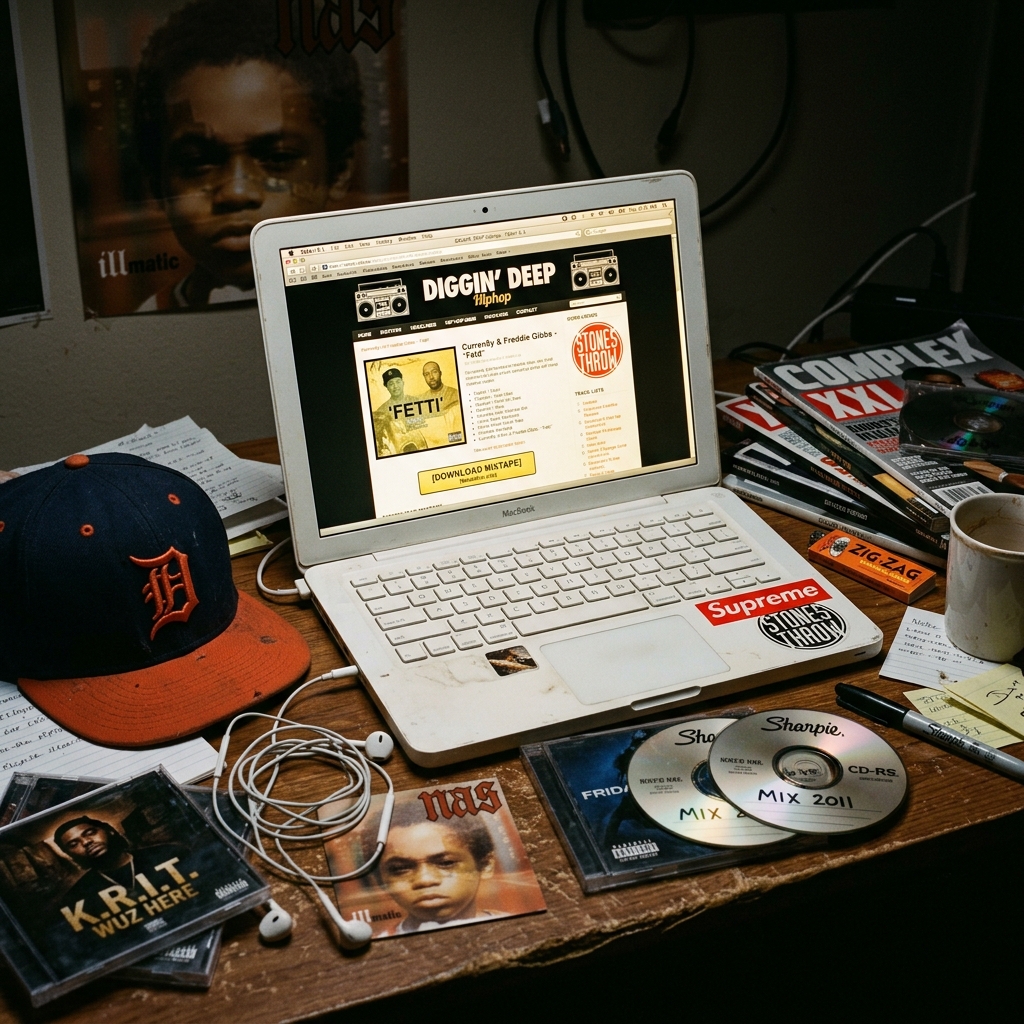
This era democratized hip-hop. It leveled the playing field, allowing artists like J. Cole, Kendrick Lamar, Wale, Kid Cudi, Mac Miller, and Big Sean to build massive, dedicated fanbases completely independently. They didn’t need radio play; they just needed to keep the internet fed.
The Mixtape Hustle vs. The Major Label Debut
Big Sean was the undisputed king of the mixtape hustle. After famously rapping for Kanye West outside of a Detroit radio station in 2005, he signed to G.O.O.D. Music, but languished in developmental limbo for years.
Instead of waiting for a commercial release date, Sean took his career into his own hands. He released the Finally Famous mixtape trilogy (Vol. 1, 2, and 3) between 2007 and 2010. These tapes were legendary within the blogosphere. They established his signature sound: clever, hashtag-heavy punchlines, a charismatic, laid-back flow, and a deeply relatable underdog narrative.
Detroit’s Ambassador
More importantly, the mixtapes established Sean as the ambassador of Detroit hip-hop for a new generation. He wasn’t relying on the gritty, boom-bap aesthetic of the 90s; he was making vibrant, aspirational music about wanting to make it out.
When Def Jam and G.O.O.D. Music finally gave him the green light to release his official studio debut in 2011 (also titled Finally Famous), the pressure was astronomical. He had to transition from an “internet rapper” beloved by niche bloggers to a mainstream pop star capable of selling physical units at Best Buy.
The G.O.O.D. Music Machine
The transition required a significant sonic upgrade. The lo-fi, sample-heavy beats of his mixtapes (which often relied on uncleared, legally dubious samples) were replaced by massive, pristine, radio-ready production from No I.D., Pharrell Williams, and Kanye West himself.
The album’s rollout was a masterclass in utilizing major label leverage while maintaining underground credibility. The lead single, “My Last” (featuring Chris Brown), was a blatant, highly successful play for mainstream radio. It was slick, melodic, and impossible to ignore.
However, the real cultural shift occurred with the release of the third single, “Dance (A$$).” The remix, featuring Nicki Minaj in her absolute prime, was a cultural phenomenon. It wasn’t just a hit; it was a club anthem that proved the “internet rapper” could manufacture a multi-platinum, inescapable commercial smash.
The Commercialization of Internet Rap
To illustrate how drastically Big Sean altered the blueprint, we can look at a comparison between his most successful mixtape and his debut studio album.
| Metric | Finally Famous Vol. 3 (Mixtape - 2010) | Finally Famous (Studio Album - 2011) |
|---|---|---|
| Distribution | Free Download (DatPiff, Blogs) | Paid (Physical Retail, iTunes) |
| Primary Production | Local Detroit producers, uncleared samples. | No I.D., Kanye West, The Neptunes |
| Features | Underground peers (Asher Roth, Curren$y). | Massive pop stars (Chris Brown, John Legend, Nicki Minaj). |
| Aesthetic Goal | Prove lyrical ability and build cult following. | Achieve mainstream radio dominance and chart placement. |
Finally Famous (the album) was the definitive proof of concept for the major label system. It proved that the cult audience built on a WordPress blog could actually be monetized and converted into paying customers.
Conclusion: The Bridge to Streaming
The massive commercial success of Finally Famous—alongside J. Cole’s Cole World: The Sideline Story and Drake’s Thank Me Later—effectively killed the pure Blog Era.
Once the major labels realized that the internet was not just a promotional tool, but the entire marketplace, they swooped in. The era of the “free mixtape” ended because labels realized they were leaving millions of dollars on the table. Why give away an incredible 15-track project on DatPiff for free when you could upload it to the newly emerging streaming platforms (Spotify launched in the US in 2011) and monetize every single play?
Big Sean was the bridge. He mastered the decentralized, chaotic hustle of the blogs, and then successfully translated that momentum into a highly polished, major-label blockbuster.
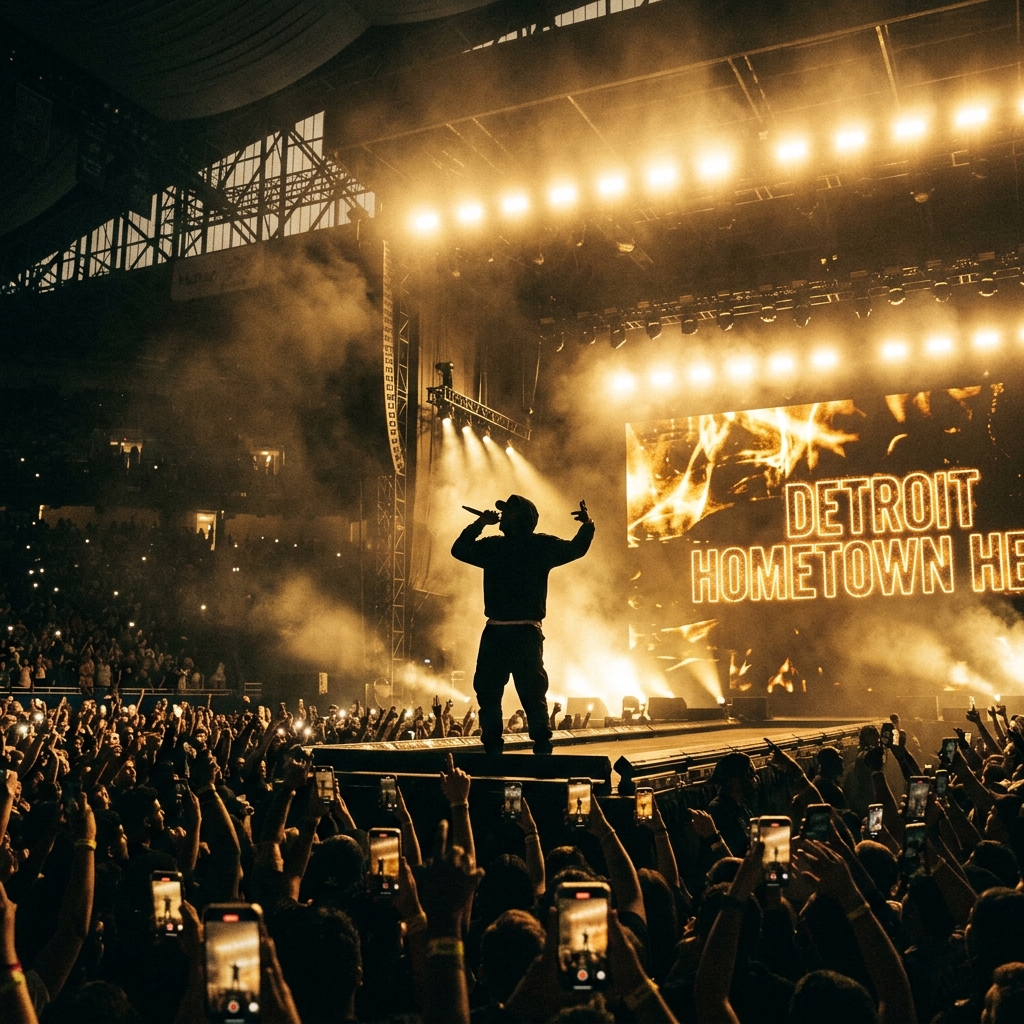
Fifteen years later, Finally Famous stands as a time capsule. It sounds like the optimism of 2011—a moment when a kid from Detroit could upload a song to the internet, catch the attention of a blogger, and eventually end up on stage with Kanye West, completely changing the trajectory of the music industry in the process.
Frequently Asked Questions
What was the ‘Blog Era’ in hip-hop?
The Blog Era (roughly 2008-2012) was a transformative period in hip-hop where independent music blogs (like NahRight and 2DopeBoyz) and free mixtape hosting sites (like DatPiff) dictated the culture, allowing artists to bypass traditional record labels and build massive fanbases online.
When did Big Sean release ‘Finally Famous’?
Big Sean’s debut studio album, Finally Famous, was officially released on June 28, 2011. However, the title was also used for a critically acclaimed trilogy of free mixtapes he released between 2007 and 2010.
Why is ‘Finally Famous’ considered an important album?
Finally Famous is culturally significant because it proved that an artist who built their entire following on the internet (via free mixtapes) could successfully transition into a massive, commercially viable mainstream pop star, effectively signaling the end of the independent “Blog Era” and the beginning of the major-label streaming era.
Who produced Big Sean’s debut album?
The production on Finally Famous was a major step up from his mixtape days, featuring high-profile, radio-ready beats from industry legends like No I.D., Pharrell Williams (The Neptunes), and his mentor, Kanye West.