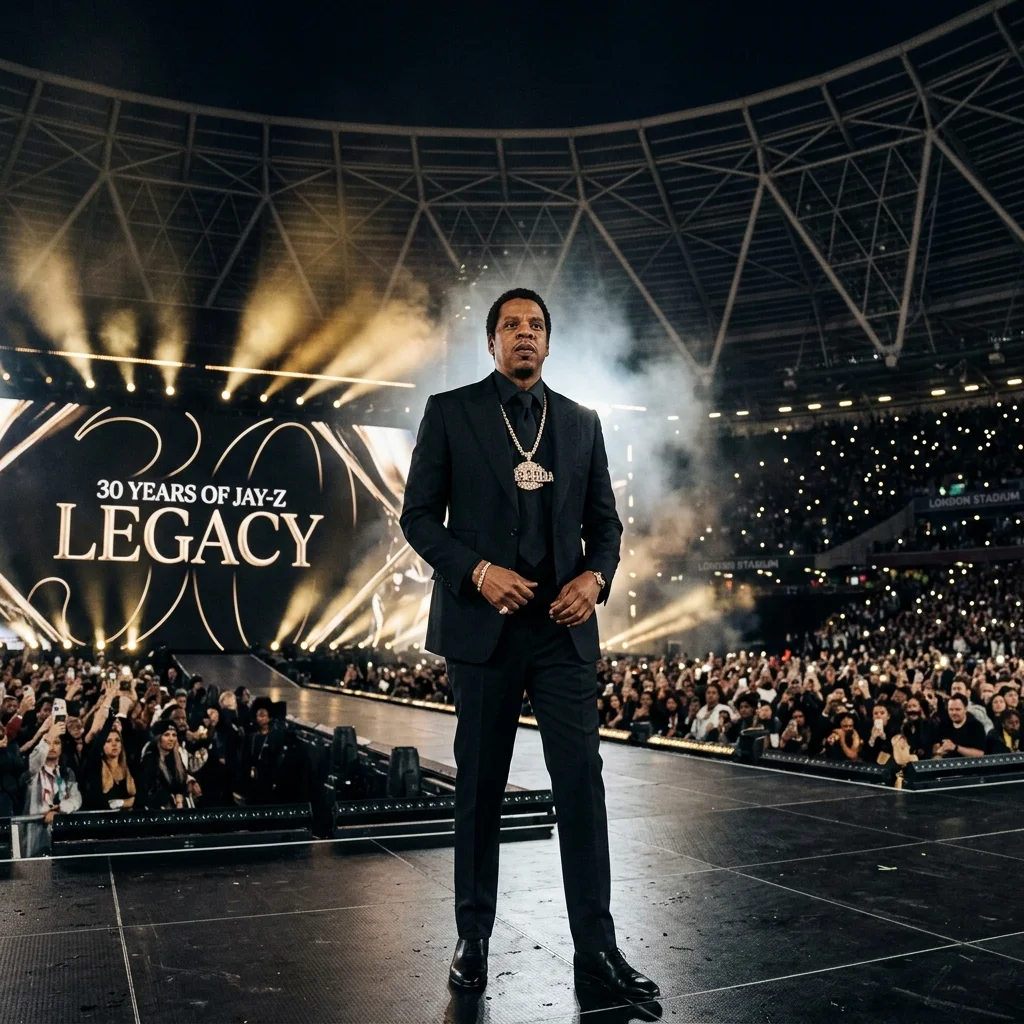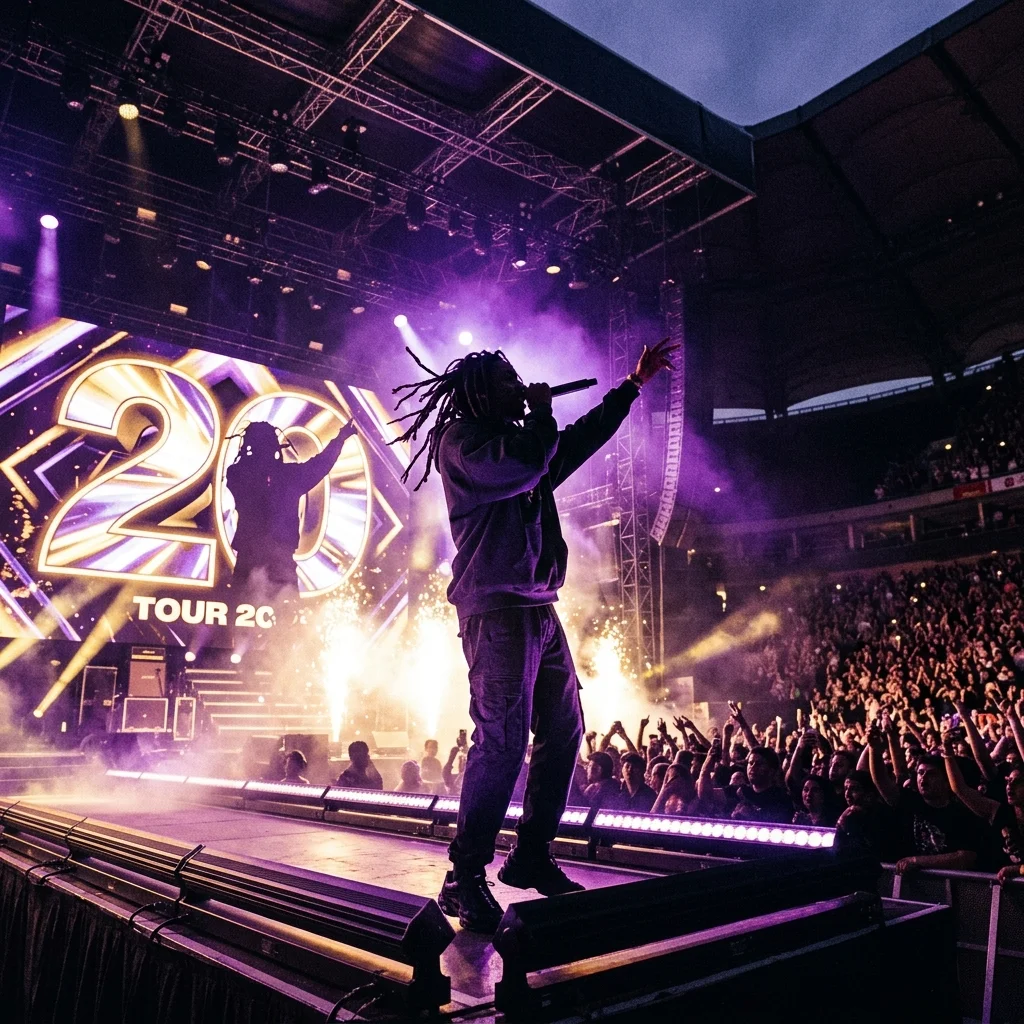
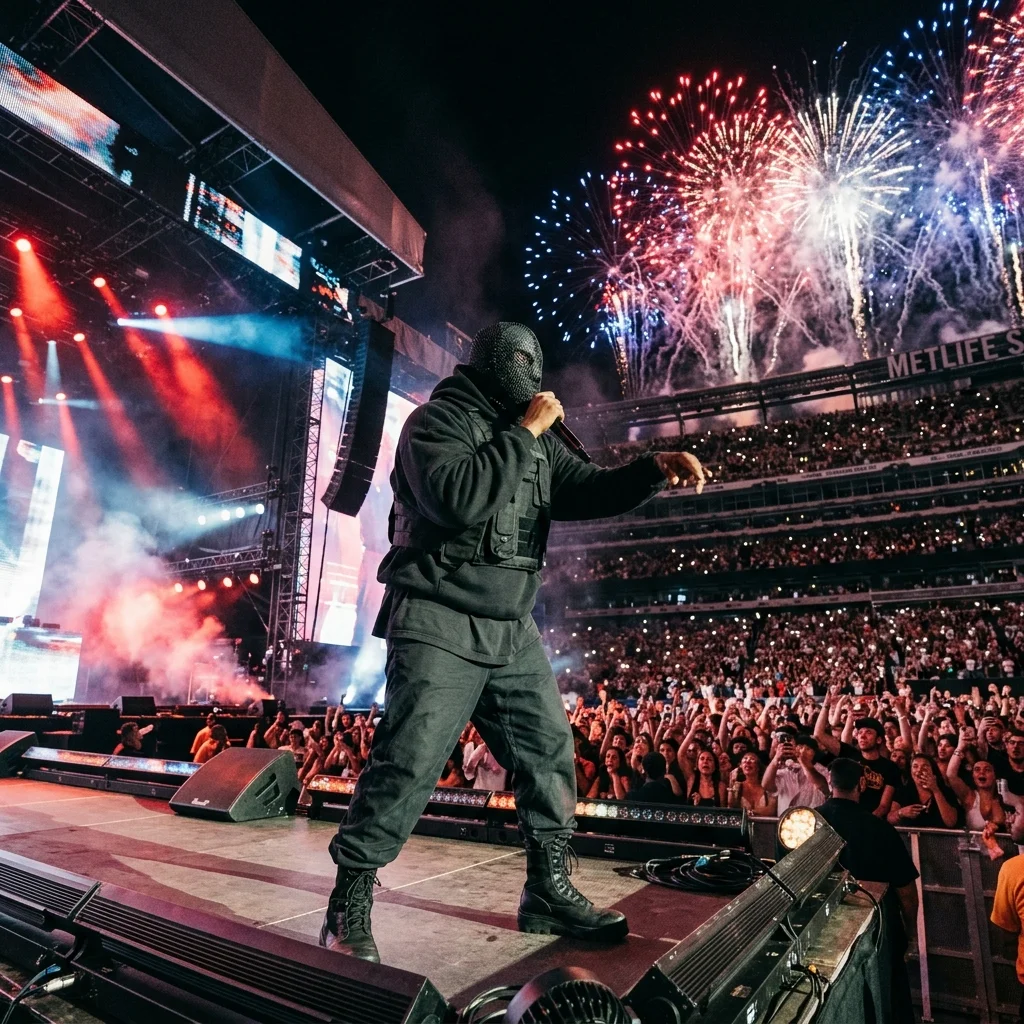
When 60,111 fans flooded into the Alamodome in San Antonio, Texas, on July 4, 2026, they didn’t just attend a concert—they participated in one of the most polarizing and economically fascinating live events in modern music history. The crowd marked the second-largest attendance record in the history of the venue, an astonishing feat for any artist. However, what makes this specific event a case study for the music industry is the intense political and cultural friction that preceded it.
For weeks, San Antonio Mayor Gina Ortiz Jones and organizations like the Jewish Federation of San Antonio aggressively lobbied city officials to cancel the performance. They cited Ye’s heavily documented history of antisemitic remarks—including his infamous 2022 “death con 3” social media post and subsequent offensive rhetoric—arguing that a taxpayer-subsidized, city-owned venue should not provide a platform for hate speech, particularly on Independence Day.
The city council ultimately declined to cancel the event, citing concerns over censorship and First Amendment protections. But as the stadium lights dimmed and the first chords of the Bully album echoed through the arena, a broader industry reality became clear: Ye’s 2026 touring model proves that controversy, when paired with genuine artistic demand, can generate stadium-level revenue without any major label infrastructure.
The Post-Label Independent Blueprint
To understand the sheer magnitude of the Ye Live Concert Tour, one must look at the structural changes Ye (formerly Kanye West) has made to his business model over the last four years. Following the dissolution of his partnerships with Adidas, Gap, and Def Jam in late 2022, conventional industry wisdom dictated that his career as a stadium-status artist was over. The corporate infrastructure required to route, insure, and promote a global tour was seemingly closed off to him.
Yet, in 2026, he returned to the stadium circuit operating almost entirely outside the traditional system. Partnering with gamma., the independent music company founded by former Apple Music executive Larry Jackson, Ye effectively circumvented the major label gatekeepers. This move mirrors the structural shifts we analyzed in End of the 360 Deal, where high-profile artists leverage their massive existing fanbases to bypass traditional distribution.
By utilizing independent distribution and direct-to-consumer marketing, Ye is retaining an unprecedented percentage of his touring and merchandise revenue. While artists like Chance the Rapper pioneered the independent blueprint for theaters and arenas, Ye is executing it at a global stadium scale.
The Economics of the 2026 Tour
The financial data from the 2026 tour reveals a staggering level of demand that operates independently of traditional media support or radio play.
| Show Location | Venue | Reported Attendance | Estimated Gross Revenue |
|---|---|---|---|
| Los Angeles (Night 1) | SoFi Stadium | ~65,000 | $15,000,000 |
| Los Angeles (Night 2) | SoFi Stadium | ~65,000 | $18,000,000 |
| Istanbul, Turkey | Various/Festival | ~118,000 | N/A (Festival Gross) |
| San Antonio, TX | Alamodome | 60,111 | TBD (Est. $12M+) |
Note: Gross revenue estimates are based on average ticket pricing for premium stadium seating during the 2026 routing.
The numbers indicate that his core audience—largely male, fiercely loyal, and digitally native—remains highly mobilized. When the traditional avenues of promotion (late-night television, brand sponsorships, playlist pitching) were severed, his fanbase simply migrated to direct channels, primarily X (formerly Twitter) and Telegram leaks, treating his events as counter-cultural gatherings.
The Alamodome Paradox: Does Cancellation Sell Tickets?
The controversy surrounding the San Antonio show highlights a phenomenon that public relations firms have quietly studied for years: the Streisand Effect of cultural cancellation.
When the mayor publicly condemned the concert and local news outlets ran continuous coverage of the protests, it generated tens of millions of dollars in free marketing. In the fragmented media landscape of 2026, attention is the only currency that matters. The political outrage inadvertently signaled to his fanbase that the event was “important” and “disruptive,” two adjectives that have always driven his brand.
This creates a deeply uncomfortable paradox for civic leaders and activists. The very act of organizing against a polarizing figure often amplifies their reach. For the 60,111 people inside the Alamodome, the protests outside didn’t deter their attendance; for many, it validated the narrative that Ye is an anti-establishment outsider—a narrative he leaned into heavily during the Vultures and Bully rollouts.
The July 4th Optics
The optics of the event cannot be ignored. A controversial Black artist, operating independently, pulling 60,000 people into a government-owned building in Texas on Independence Day—while the local government actively wished he wasn’t there—is a striking visual representation of modern American culture.
It highlights the widening gap between institutional approval and raw consumer demand. In the past, a major artist required the blessing of the cultural consensus to operate at a stadium level. Corporate sponsors had to be placated; apologies had to be issued; redemption tours had to be meticulously managed by crisis PR teams.
Ye’s 2026 run completely bypasses the redemption arc. While he did issue an apology via a full-page ad in The Wall Street Journal earlier in the year (attributing his previous behavior to mental health and a brain injury), his live performances make no concessions. He does not address the crowd; he does not plead for forgiveness on stage. He simply performs the music, and the audience buys the tickets.
Curating the Setlist for the Post-Cancel Culture Era
The actual content of the Alamodome performance served as another critical piece of this economic strategy. The Ye Live Concert Tour setlist is heavily curated to intertwine his most unassailable cultural contributions (hits from Graduation and My Beautiful Dark Twisted Fantasy) with the raw, confrontational new material from Bully.
By performing tracks like “Through the Wire” and “Runaway” alongside unreleased songs like “Beauty and the Beast,” he forces the audience to reconcile his legendary past with his polarizing present. This isn’t just a concert; it’s a reminder of his foundational impact on the genre. Furthermore, by bringing out high-profile guests like Travis Scott and CeeLo Green at previous stops on this tour, he demonstrates that he still maintains significant industry alliances, regardless of his public perception among executives. The setlist itself becomes a commercial weapon, ensuring that even fans who disagree with his politics are compelled to purchase tickets simply to witness the sheer spectacle of his discography.
The Counterpoint: Accountability and the Cost of Art
Despite the undeniable commercial success of the Alamodome show, the ethical implications of Ye’s resurgence remain highly contentious.
Organizations like the Jewish Federation of San Antonio raise a valid and necessary question: At what point does financial success serve as a shield for bigotry? When a public figure leverages their massive platform to propagate antisemitic tropes—rhetoric that has real-world consequences—should civic institutions like the Alamodome facilitate their enrichment?
Critics argue that framing his independent success as a “business triumph” dangerously ignores the collateral damage of his platform. By separating the art from the artist, consumers are effectively subsidizing the infrastructure that allows him to remain relevant. Furthermore, while the city council cited First Amendment concerns, opponents point out that there is a distinct difference between protecting free speech and actively providing a municipal venue for a highly profitable commercial enterprise led by someone with a history of hate speech.
The Future of the “Canceled” Artist
What does the success of the Alamodome concert tell us about the future of the music industry?
Primarily, it signals that the era of total corporate blacklisting is over. If an artist has a large enough direct-to-consumer funnel, they no longer need Spotify’s editorial playlists, Adidas’s manufacturing plants, or Universal Music Group’s radio promotion department to generate eight-figure revenues.
As we see the landscape shifting—from the consolidation of major record labels to the rise of independent festival economics—the power dynamics are changing. The Ye Live Concert Tour proves that in the modern attention economy, controversy isn’t just survivable; if weaponized correctly, it is a highly lucrative marketing strategy. The question for the industry is no longer how to stop controversial artists, but whether the consumer base even wants them stopped.
Frequently Asked Questions
How many people attended the Ye Alamodome concert?
The concert drew exactly 60,111 attendees on July 4, 2026, making it the second-largest crowd for a single event in the history of the San Antonio venue.
Why did the San Antonio mayor try to cancel Ye’s concert?
Mayor Gina Ortiz Jones and various community organizations, including the Jewish Federation of San Antonio, urged the city to cancel the concert due to Ye’s well-documented history of antisemitic comments. They argued that a city-owned, taxpayer-subsidized venue should not host an artist with a record of hate speech.
Is Ye still signed to a major record label?
No. Following the fallout from his controversies in 2022, Ye was dropped by Def Jam. For his 2026 album Bully and subsequent tour, he is operating independently, utilizing a distribution partnership with gamma., an independent music company founded by Larry Jackson.