In the fast-paced, hyper-competitive landscape of global fashion, authenticity is the one metric you cannot mass-produce. For decades, sportswear giants like Nike dominated the Chinese market through sheer scale: massive flagship stores, top-down celebrity endorsements, and uniform product lines. But as we move deeper into 2026, the Chinese consumer—particularly Gen Z—has grown fatigued by the monolithic luxury and athletic retail experience.
Enter the “Hijack” pop-up.
This summer, Nike executed a highly unusual, hyper-localized physical activation in the heart of Shanghai. They didn’t rent out a massive glass-front retail space or hire a dozen A-list pop stars to cut a ribbon. Instead, they collaborated with Esoteric Thing, a fiercely independent, underground Chinese streetwear label founded by Billy Cai.
The partnership signals a profound strategic shift in how global mega-brands engage with regional markets. Instead of trying to dictate the culture, Nike is increasingly relying on grassroots designers to provide the cultural credibility that top-down corporate marketing can no longer buy.
The Rise of Esoteric Thing & Billy Cai
To understand why a multi-billion dollar corporation aligned itself with a boutique label, you have to look at the genesis of Esoteric Thing. The brand was founded in 2020 by Billy Cai, formerly known in digital circles as the content creator Billythewhale.
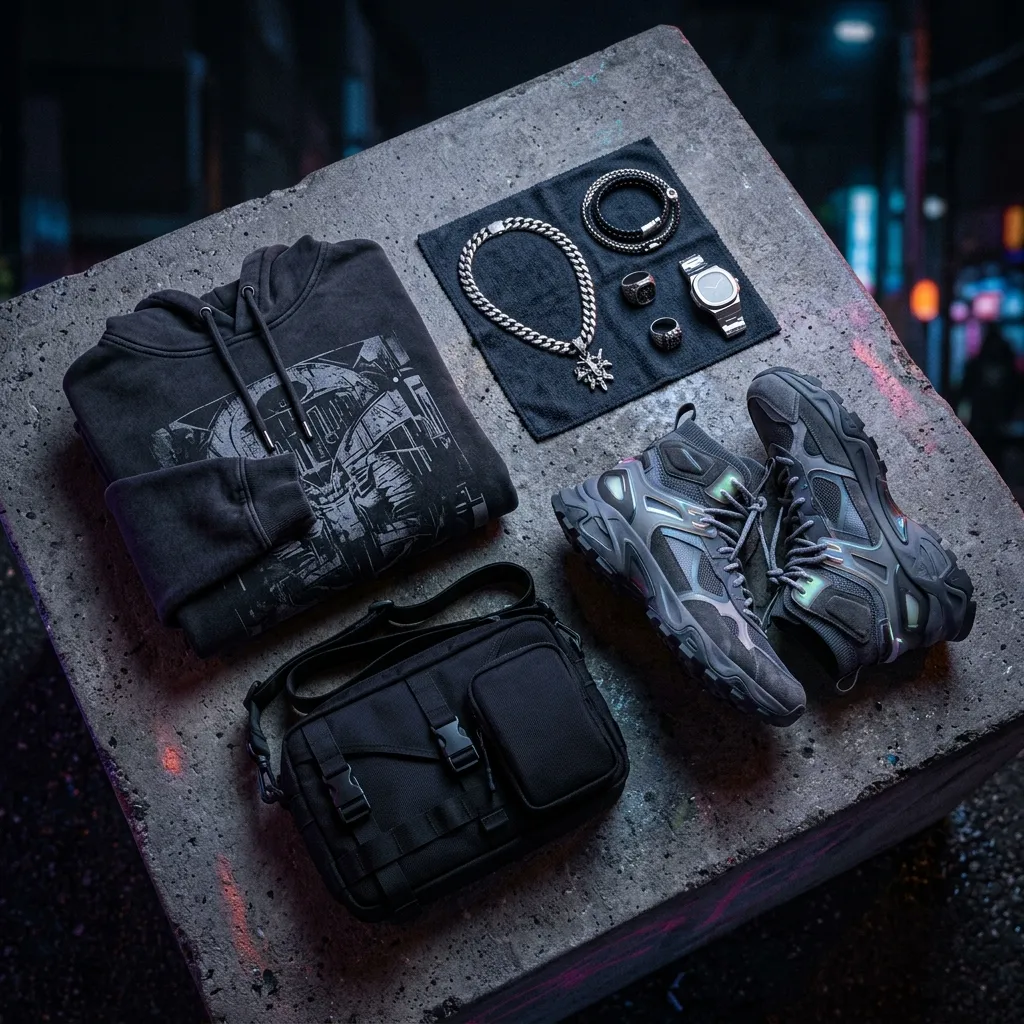
Operating out of Shanghai, Cai built the brand not through massive ad buys or influencer seeding, but through a genuine integration with the local creative underground. The apparel is defined by intricate tailoring, technical fabrics that nod to the rising Gorpcore trend, and a distinct rejection of the loud, logo-heavy designs that defined the streetwear of the 2010s.
The brand’s name itself—Esoteric Thing—is a direct appeal to a demographic exhausted by mass production. The Chinese youth market in 2026 is highly sophisticated. They are rejecting “hype” for the sake of hype, searching instead for garments that hold niche, insider cultural value. They want clothing that feels like a secret.
By remaining intentionally small and highly curated, Billy Cai cultivated an aura of exclusivity and authenticity that major brands spend billions trying to simulate.
The “Hijack” Pop-Up Strategy
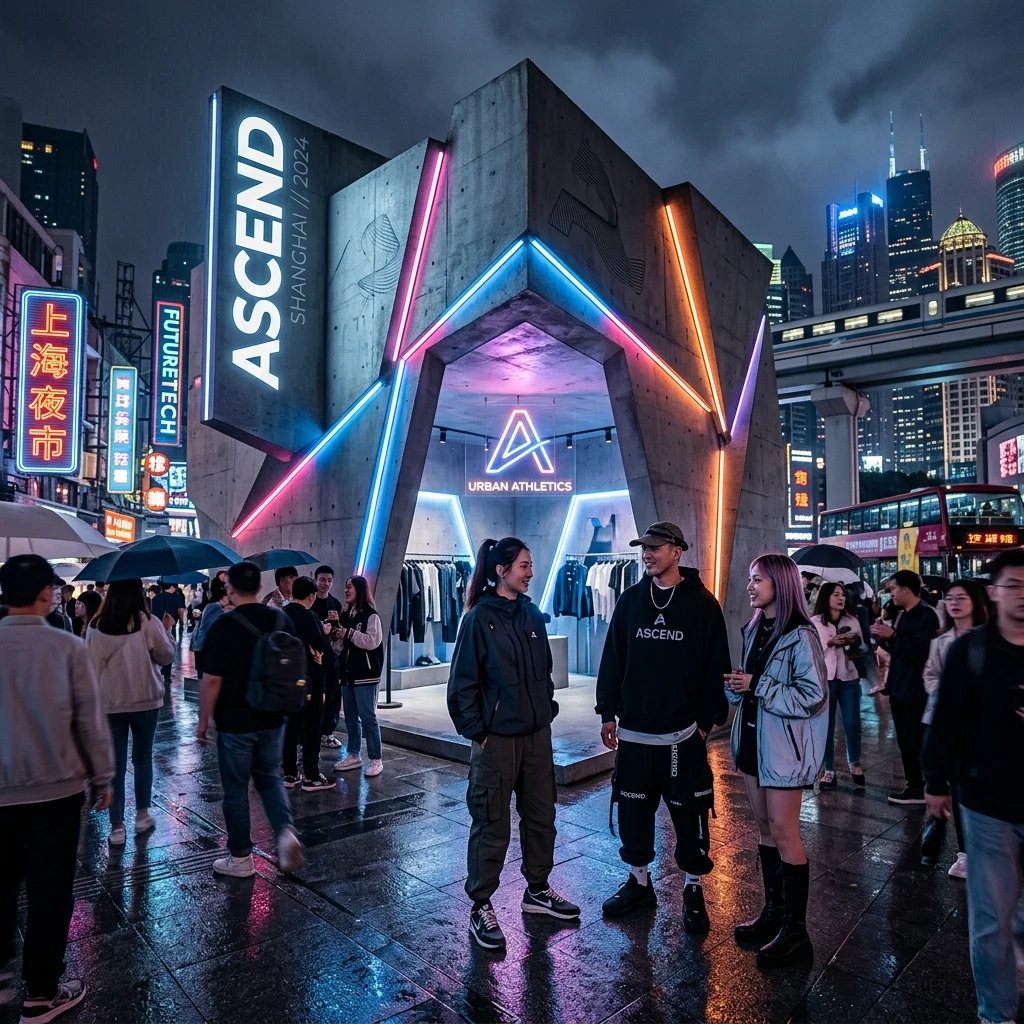
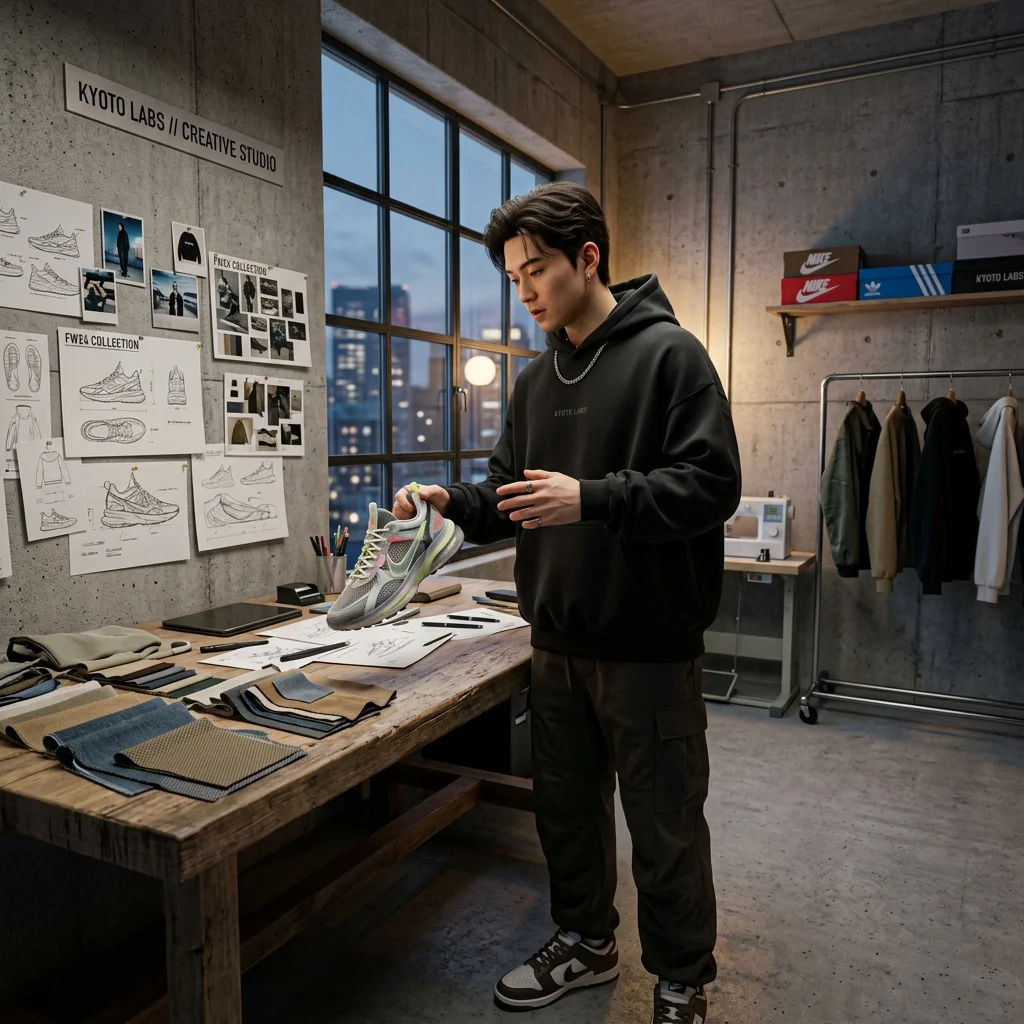
When Nike approached Esoteric Thing, the resulting collaboration was physicalized in a “Hijack” pop-up in Shanghai. The concept of a hijack activation is to temporarily take over an unexpected, non-traditional space and completely transform its aesthetic, creating an immersive experience that feels fleeting and urgent.
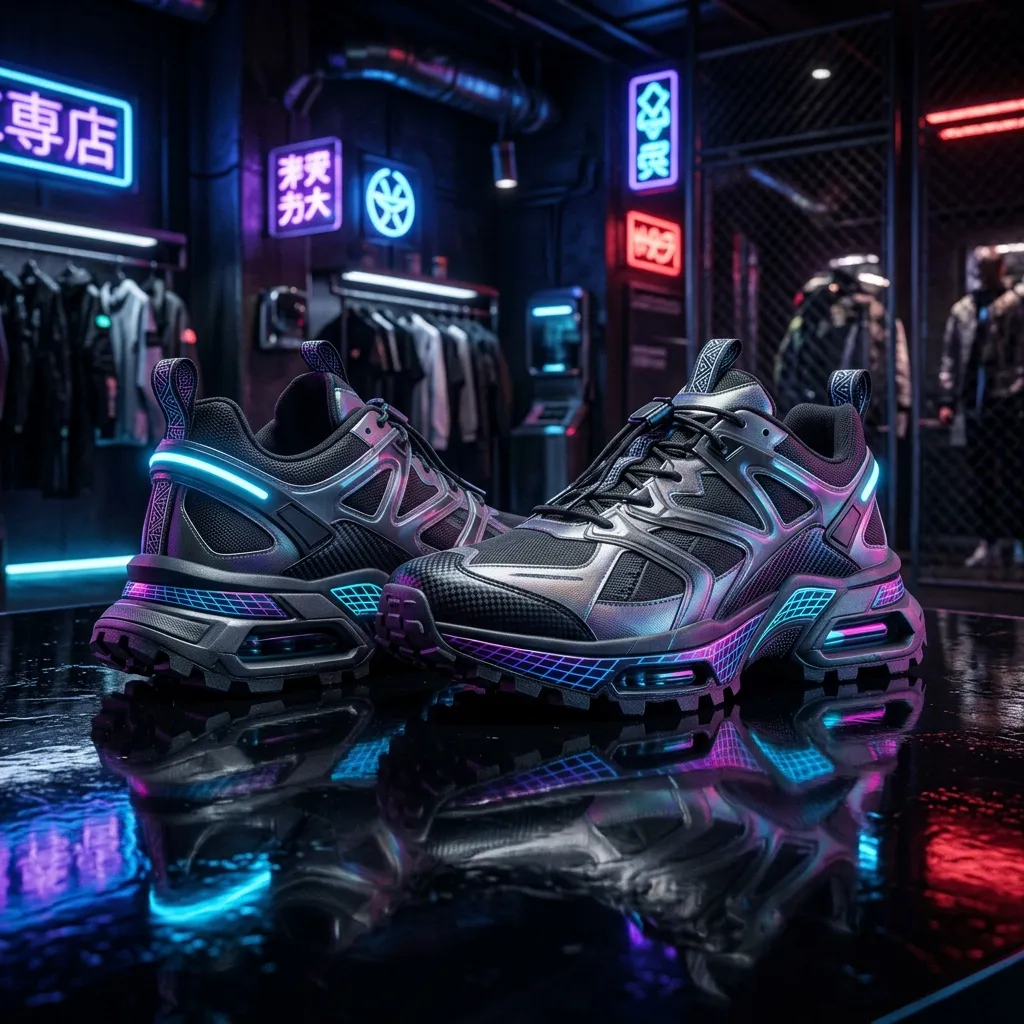
The aesthetic of the pop-up blended Nike’s futuristic athletic innovation with Esoteric Thing’s brutalist, utilitarian design language. It wasn’t just a place to buy sneakers; it was a cultural installation. This mirrors Nike’s previous successful localization efforts in China, such as their wildly popular “Cantonese Songyuan” soup shop pop-up in Guangzhou.
Traditional Retail vs. Hyper-Localized Pop-Ups
The shift from massive flagships to hyper-localized activations is driven by hard data.
| Metric / Strategy | Traditional Flagship Retail | “Hijack” Pop-Up (Esoteric Thing x Nike) |
|---|---|---|
| Primary Goal | High volume inventory turnover. | Brand heat and cultural resonance. |
| Consumer Experience | Predictable, uniform, corporate. | Immersive, exclusive, highly localized. |
| Social Media Impact | Low organic engagement. | Extremely high viral / FOMO engagement. |
| Authenticity Factor | Top-down, mass market. | Bottom-up, community-driven. |
When a consumer walks into a flagship store, they know exactly what to expect. When a consumer finds a temporary brutalist concrete structure hidden in a Shanghai alleyway, offering a limited-edition collaboration with their favorite underground designer, they immediately pull out their phone to document it. The pop-up becomes a status symbol.
The Symbiotic Relationship (The Economics of Cool)
The Nike x Esoteric Thing collaboration is a textbook example of a symbiotic corporate relationship in the modern streetwear economy.
Why Nike needs Esoteric Thing: For all its financial dominance, Nike cannot manufacture the underground credibility that Billy Cai possesses. By aligning with Esoteric Thing, Nike gains direct access to a highly discerning, localized subculture in Shanghai. It proves to the Chinese consumer that Nike is paying attention to the ground-level creatives, not just the massive pop stars. It is an investment in cultural relevance.
Why Esoteric Thing needs Nike: Running an independent streetwear label is notoriously difficult. Supply chain logistics, manufacturing minimums, and global distribution are massive hurdles. Partnering with Nike provides Esoteric Thing with access to world-class manufacturing technology, unhindered distribution infrastructure, and a massive financial injection. Furthermore, as we noted in our 2026 Streetwear Culture Guide, an official Nike collaboration is the ultimate industry co-sign, instantly elevating an independent designer to the global stage.
The Architecture of Scarcity and Desire
To fully grasp the success of the Hijack pop-up, we must analyze the specific psychological triggers it employs. In traditional retail, the goal is omnipresence—making sure the product is available to anyone, anywhere, at any time. The Hijack pop-up relies on the exact opposite: the architecture of scarcity.
The physical design of the Shanghai activation was intentionally hostile to casual foot traffic. Unmarked from the main street, consumers had to navigate through digital breadcrumbs dropped on localized social platforms like Xiaohongshu (Little Red Book) and WeChat to find the exact coordinates. Once there, the brutalist concrete facade offered no large glass windows displaying merchandise. Instead, it operated more like an exclusive nightclub or a secret gallery opening.
This friction is a deliberate marketing strategy. When a consumer has to work to find a retail space, the act of purchasing becomes a reward rather than a simple transaction. The scarcity isn’t just about limited inventory; it’s about limited access to the physical space itself. For Gen Z consumers who define themselves by their ability to curate niche experiences, this model is vastly more appealing than walking into a brightly lit mall flagship.
Furthermore, the integration of technology within the pop-up blurred the lines between digital and physical commerce. Limited-edition pieces were tied to specific geographic NFT drops, ensuring that the apparel couldn’t simply be counterfeited or flipped by bots on secondary markets without proof of physical attendance. This hyper-localized approach effectively solved one of the biggest problems plaguing global sneaker releases in 2026: the alienation of the actual local community by global resellers.
By demanding physical presence and digital verification, Nike and Esoteric Thing are building a moat against the hyper-financialization of streetwear. They are returning the focus to the local consumer who actually intends to wear the garments, rather than the anonymous digital reseller looking to turn a quick profit. This localized friction restores the feeling of community that streetwear was originally built upon.
Counterpoint: The Risk of Co-optation
However, these collaborations are not without controversy within the streetwear community. The fundamental tension remains: Can an independent, underground label retain its “esoteric” credibility when it is funded and promoted by a multi-billion-dollar global corporation?
Critics argue that these partnerships are a form of corporate co-optation. When the underground goes corporate, does the culture lose? Some purists believe that by participating in a massive Nike activation, Esoteric Thing risks alienating the very core audience that made them cool in the first place. The appeal of an “esoteric” brand is that not everyone knows about it. Once the swoosh is attached, the secret is out.
Furthermore, there is a historical power imbalance in these relationships. While the independent designer provides the cultural heat, the mega-brand ultimately reaps the long-term financial rewards and controls the global narrative.
The Future of Global Streetwear
Despite the ideological friction, the Nike x Esoteric Thing pop-up is a clear indicator of where global fashion is heading. The era of the monolithic, one-size-fits-all global campaign is dead.
To succeed in distinct, culturally rich markets like China, mega-brands must adopt a decentralized strategy. They must act more like cultural investors, funding and amplifying the voices of local creatives like Billy Cai. In 2026, the most powerful marketing tool a global brand has is the humility to let a local, independent designer take the lead.
Frequently Asked Questions
What is Esoteric Thing?
Esoteric Thing is an independent Chinese streetwear label based in Shanghai, founded in 2020 by designer Billy Cai (formerly Billythewhale). The brand is known for its high-quality tailoring, utilitarian aesthetic, and strong connection to the local creative underground.
Why is Nike partnering with independent Chinese brands?
Global brands like Nike partner with independent, localized labels to gain cultural authenticity and connect with younger, trend-conscious consumers who are increasingly rejecting mass-produced, top-down corporate marketing.
Where was the Nike x Esoteric Thing pop-up held?
The collaborative “Hijack” pop-up activation was held in Shanghai, China. It served as an immersive physical space to launch their collaboration, blending Nike’s athletic heritage with Esoteric Thing’s brutalist design philosophy.