
For the last decade, Latin urban music has been an unstoppable juggernaut, dominating global charts primarily through the infectious, syncopated rhythms of dembow and the aggressive, booming bass of Latin Trap. However, as we move deeper into 2026, a massive sonic shift is occurring. A new wave of Latine rappers is fundamentally rewiring the DNA of the genre, dragging hip-hop into a neon-soaked, hallucinatory territory: Psychedelic Latin Rap.
This isn’t just about rapping over Travis Scott or Kid Cudi “type beats.” This movement is a deeply cultural synthesis. It is the blending of heavy, atmospheric synthesizers and distorted 808s with traditional regional instrumentation—reverberating Spanish guitars, distorted brass sections, and indigenous rhythms—creating a soundscape that feels both futuristic and ancient.
The Pioneers of the Neon Sound
The evolution from traditional Reggaeton to psychedelic hip-hop didn’t happen overnight. It was born in the margins, driven by producers and artists who were bored with the formulaic structures of mainstream radio hits.
Today’s frontrunners are utilizing extreme vocal manipulation, phasing effects, and non-linear song structures. Instead of standard 16-bar verses followed by a catchy chorus, these tracks often play like cinematic scores or lucid dreams. An acoustic flamenco guitar intro might suddenly shatter into a crushing, distorted trap drop, bathed in heavy reverb that makes the vocalist sound as if they are echoing through a massive cavern.
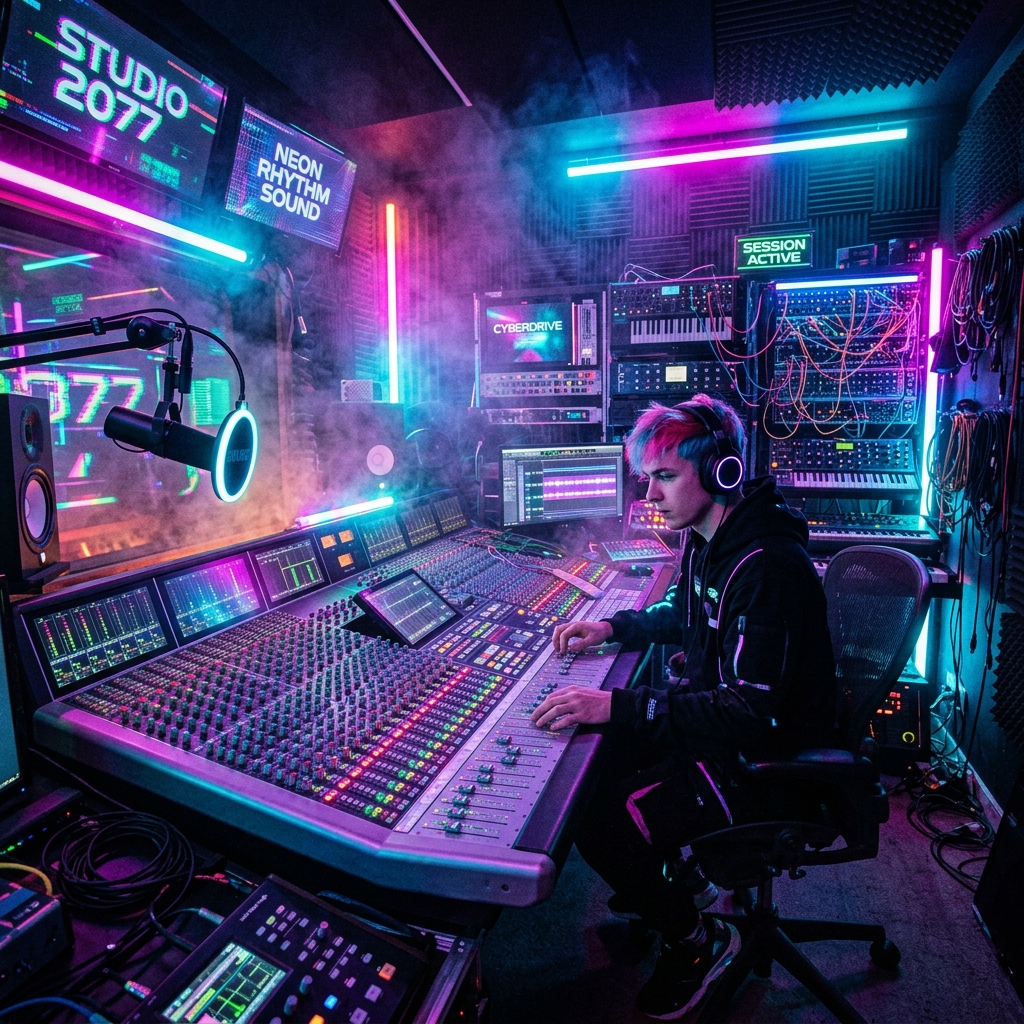
This stylistic shift is heavily influenced by the global globalization of internet culture. These artists grew up listening to Daddy Yankee and Tego Calderón, but they were simultaneously absorbing the psychedelic aesthetic of Tame Impala and the dark, brooding trap of the SoundCloud era. The resulting fusion is a genre that refuses to be categorized.
The Visual Aesthetic: Cyberpunk Meets Heritage
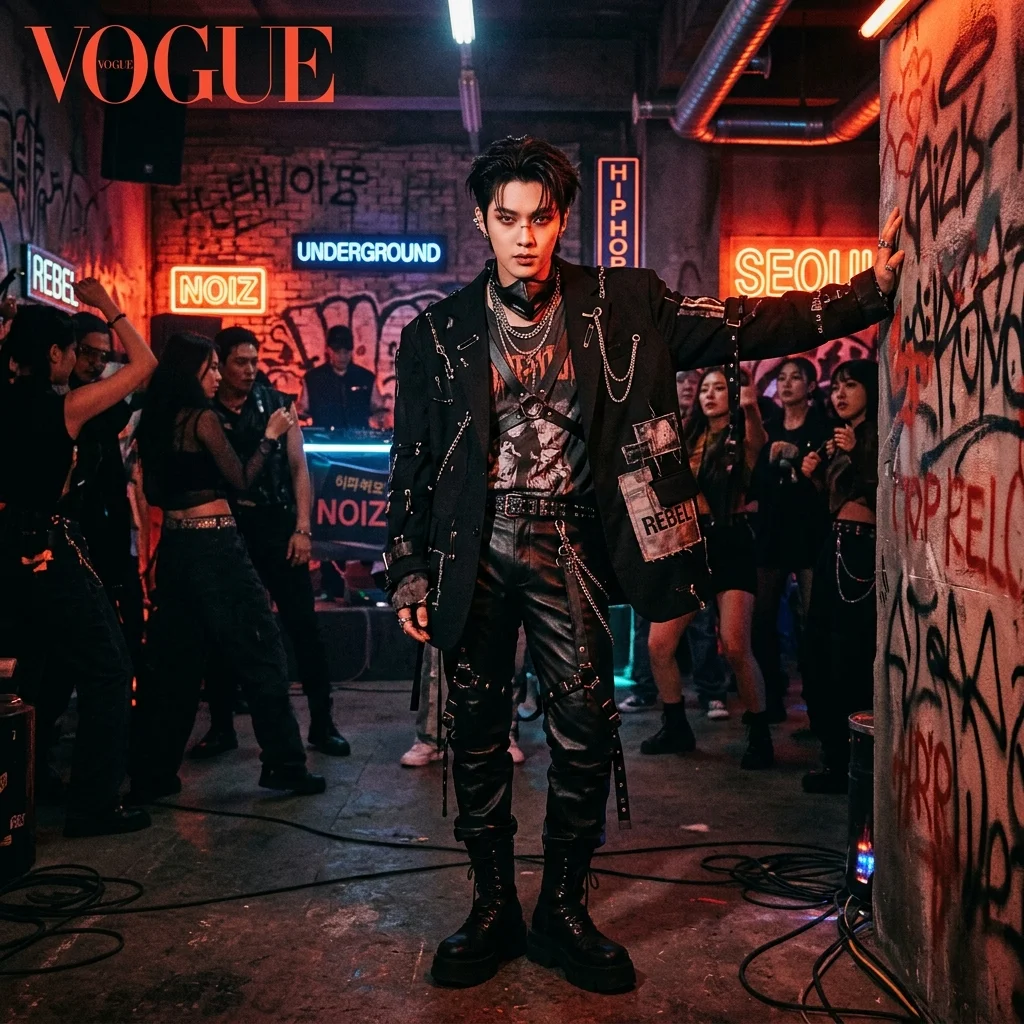
You cannot discuss this musical evolution without acknowledging the accompanying visual aesthetic. The psychedelic shift has completely transformed the way these artists present themselves.
The high-end designer labels and standard streetwear are still present, but they are now filtered through a surreal, almost cyberpunk lens. Music videos associated with this movement rarely feature traditional club scenes or luxury cars. Instead, they are highly conceptual, featuring heavy CGI, neon color palettes, surrealistic landscapes, and themes of existentialism and altered consciousness.
It is a visual language that speaks perfectly to a generation raised on the internet, offering an escape from reality into a highly stylized, hyper-vibrant digital universe.
The Global Crossover Appeal
Why is this specific, highly atmospheric sound dominating the global conversation in 2026?
The answer lies in the universal language of vibration and atmosphere. Traditional lyric-heavy hip-hop often struggles to cross language barriers fully; if you don’t speak the language, you lose the intricacies of the wordplay. However, psychedelic music is inherently visceral. You don’t need to speak fluent Spanish to feel the emotional weight of a heavily distorted, echoing vocal cascading over a massive, cinematic synthesizer pad.
This sonic architecture acts as a bridge. It allows English-speaking hip-hop fans—who are already conditioned to the atmospheric sounds of modern US rap—to instantly connect with the emotional resonance of the track. It is breaking down the final barriers between the massive Latin American market and the global hip-hop consciousness, proving that the future of the genre is borderless, genre-fluid, and undeniably psychedelic.
Frequently Asked Questions
What is psychedelic hip-hop?
Psychedelic hip-hop is a subgenre that blends traditional rap with elements of psychedelic music. It typically features atmospheric, heavily layered production, ambient synthesizers, distorted vocals, and non-traditional song structures designed to create a surreal, “trippy” listening experience.
How is Latin Trap evolving in 2026?
In 2026, Latin Trap is evolving beyond its traditional trap drum patterns and aggressive deliveries. A new wave of Latine artists is incorporating psychedelic elements, blending heavy synthesizers and extreme vocal manipulation with traditional regional instrumentation (like acoustic guitars or brass) to create a more cinematic, atmospheric sound.
Why is this new Latine rap sound so popular globally?
The psychedelic shift in Latine rap relies heavily on atmosphere, mood, and cinematic production rather than just complex lyricism. This visceral, emotion-driven sonic architecture transcends language barriers, allowing non-Spanish speaking listeners to easily connect with the music.