In the hyper-accelerated, trend-obsessed ecosystem of 2026 fashion, very few garments manage to survive a single season, let alone an entire cultural generation. We have watched the meteoric rise and subsequent collapse of countless streetwear staples: the oversized tall tee, the aggressively branded Ed Hardy shirt, the ultra-skinny distressed denim era, and the chunky dad shoe. They all inevitably burn out, relegated to the archives of cringeworthy nostalgia.
However, there is one highly specific piece of apparel that has remained completely impervious to the shifting tides of fashion for exactly three decades. It is not a luxury Italian garment, nor is it a limited-edition sneaker.
It is the classic, navy blue, 59FIFTY New Era New York Yankees fitted hat.
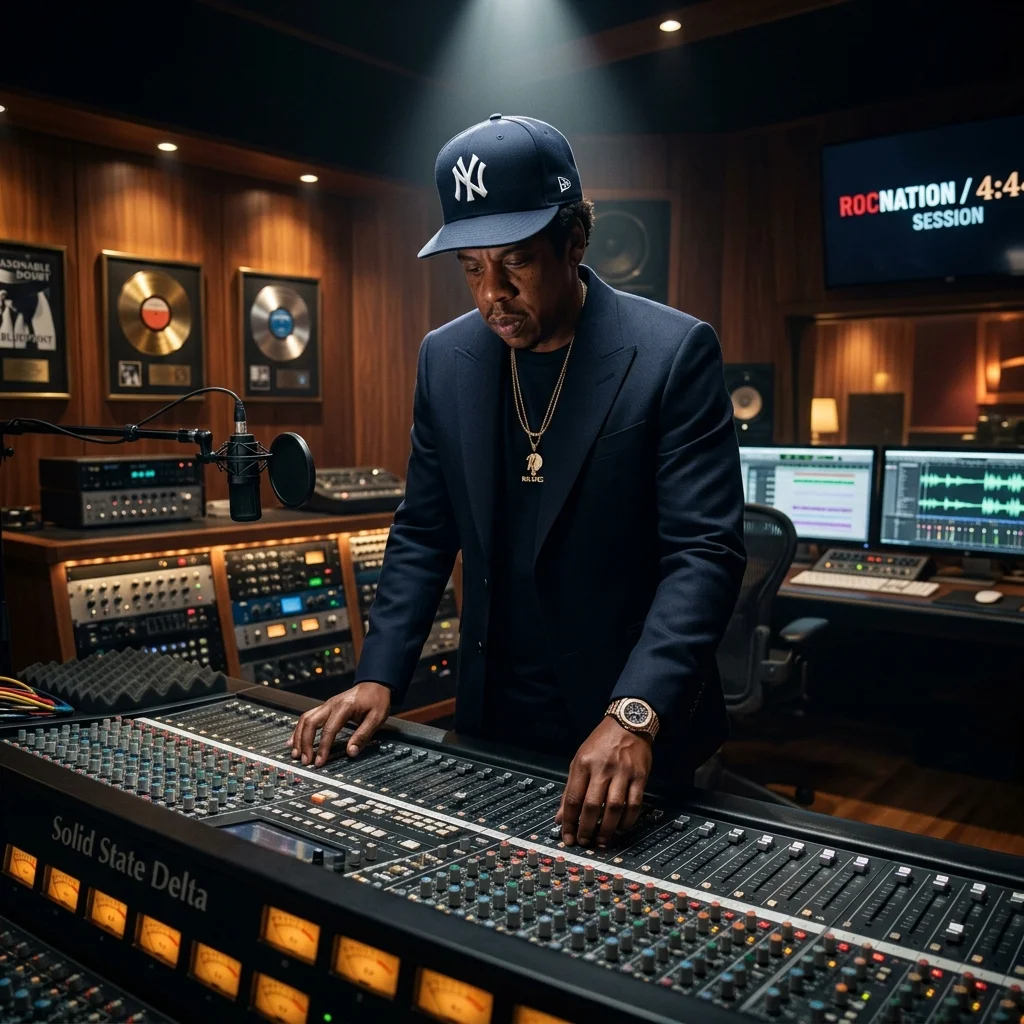
The cultural permanence of this specific hat was violently thrust back into the timeline this week. During highly anticipated rehearsals for an upcoming 2026 legacy tour, Jay-Z—the undisputed, billionaire elder statesman of the culture—was photographed wearing the exact same navy blue Yankees fitted that defined his aesthetic in 1996. The image immediately went viral across HotNewHipHop and Twitter, not because it was a new look, but precisely because it wasn't.
It was a stark, powerful reminder that while the music industry and the aesthetic of hip-hop have mutated beyond recognition, the Yankees fitted remains the ultimate, unifying crown of the culture. To understand how a simple piece of athletic merchandise achieved such profound sociological significance, we have to examine its origins, its most powerful ambassador, and its unique role in global streetwear diplomacy.
1996: The Origin of the Crown
To fully grasp the magnitude of the Yankees fitted in hip-hop, one must transport themselves back to New York City in the mid-1990s. The city was the beating, bleeding heart of the culture, locked in a bitter, tragic coastal war with Los Angeles.
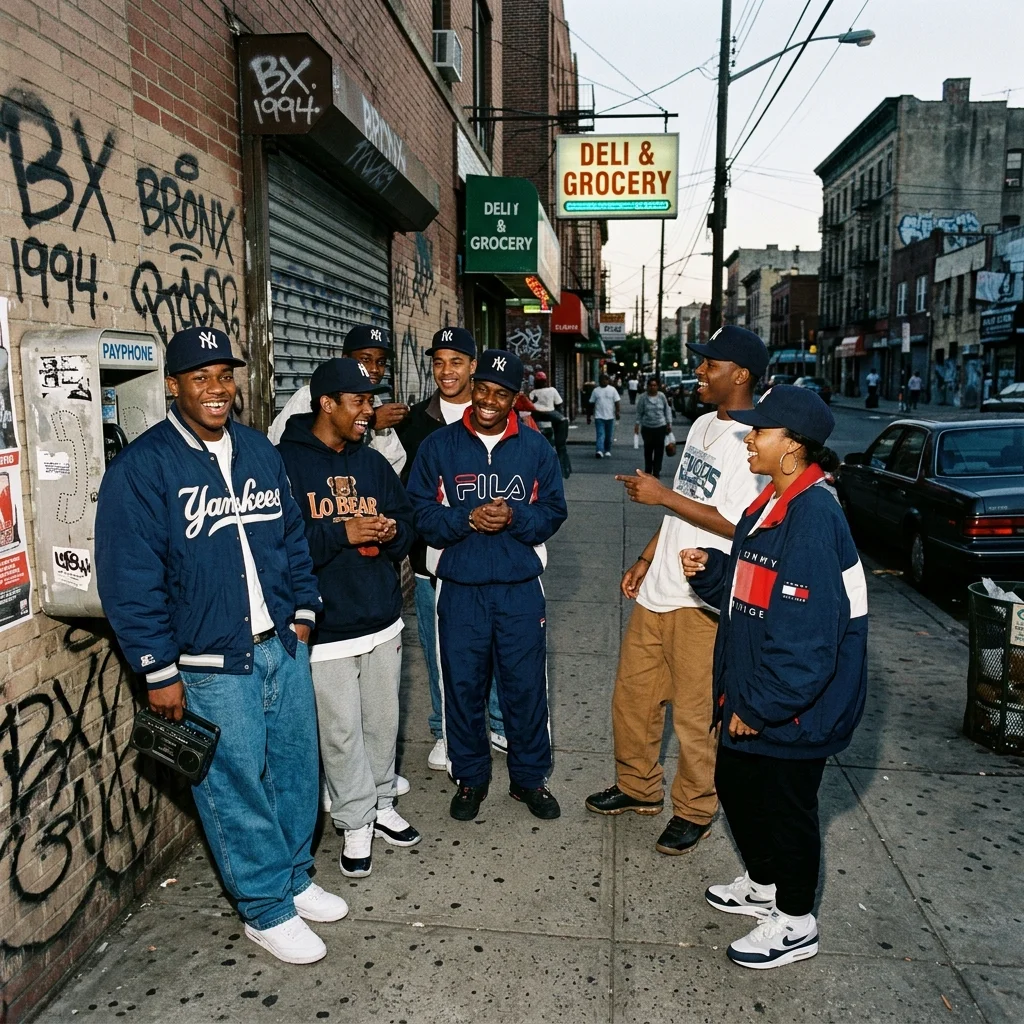
At this time, sports apparel was already deeply ingrained in street fashion, largely popularized by the aggressive, color-coordinated aesthetics of gang culture and the rising dominance of sports marketing. Starter jackets were practically a currency. But the fitted hat was different. It wasn't just merchandise; it was a highly localized geographical flag.
In 1996, the New York Yankees were on the precipice of a massive, era-defining dynasty, led by Derek Jeter. That same year, a young, hungry rapper from the Marcy Projects in Brooklyn named Shawn Carter released his debut masterpiece, Reasonable Doubt.
Jay-Z did not invent wearing the Yankees hat. Locals in the Bronx and Brooklyn had been rocking it for decades. But Jay-Z did something entirely different: he weaponized it. He took the hat out of the bleachers of Yankee Stadium and placed it firmly in the VIP section of the most exclusive clubs in Manhattan. He famously rapped, "I made the Yankee hat more famous than a Yankee can," a boast that, historically speaking, is entirely factually accurate.
He transformed a $35 piece of wool into a symbol of incredible, unapologetic black excellence and upward mobility. Wearing the hat wasn't just about baseball; it was a declaration that you were from the Mecca of hip-hop, and you were taking over.
The Anatomy of the Perfect Fitted
Not all hats are created equal. The specific cultural reverence is reserved exclusively for the New Era 59FIFTY. This is the official, on-field cap of Major League Baseball.
There is an entire, highly rigid etiquette surrounding how the hat must be purchased, prepared, and worn within the culture.
1. The Brim: The brim must be slightly curved, but never aggressively bent like a traditional "dad hat."
2. The Sticker: For over a decade, leaving the metallic gold New Era sizing sticker on the under-brim was an absolute, non-negotiable requirement. It functioned as a visible receipt, proving to the streets that the hat was brand new, authentic, and that the wearer possessed the disposable income to constantly replace it before it got dirty.
3. The Colorway: While New Era eventually exploded into a massive, multi-million dollar secondary market of custom colorways (the infamous "Mocha" brims, the "Beef and Broccoli" palettes), the true purist—the Jay-Z aesthetic—demands the traditional, stark navy blue with the crisp white interlocking 'NY' logo.
It is a remarkably austere, minimalist design. Unlike the incredibly complex, highly stylized aesthetics of modern K-Pop streetwear, the Yankees fitted relies entirely on its historical weight rather than its visual complexity.
Global Streetwear Diplomacy
The true genius of the Yankees fitted is how successfully it decoupled itself from the actual sport of baseball.
If you travel to Paris, Tokyo, London, or Johannesburg in 2026, you will see thousands of teenagers wearing the navy blue 'NY' logo. The vast, overwhelming majority of these individuals cannot name a single player on the current New York Yankees roster. They likely do not know the rules of baseball.
They are not wearing the hat to support a sports franchise. They are wearing it to signal their allegiance to global hip-hop culture.
The hat functions as a universal passport. It is a piece of streetwear diplomacy that transcends language barriers. When a kid in Shibuya crosses paths with a kid in South London, and they are both wearing the Yankees fitted, there is an immediate, unspoken acknowledgment of a shared cultural foundation. They both listen to the same music, they both understand the same historical references, and they both respect the blueprint laid down by Jay-Z thirty years prior.
The Lifecycle of Hip-Hop Headwear
To further illustrate the unique permanence of the Yankees fitted, we can compare it to other massive headwear trends that have dominated hip-hop over the last few decades.
| Era | Dominant Headwear Trend | Cultural Ambassador | Current Status in 2026 |
| :--- | :--- | :--- | :--- |
| Mid 1990s | The Bucket Hat | LL Cool J, Wu-Tang Clan | Experiencing cyclical, nostalgic revivals, primarily in festival culture, but highly situational. |
| Early 2000s | The Du-Rag (Worn strictly for fashion) | 50 Cent, Nelly, Cam'ron | Still deeply functional for hair care, but highly controversial and less common as a standalone red-carpet fashion statement. |
| Late 2000s | The Snapback | Mac Miller, Tyga, Big Sean | Largely abandoned by high-fashion streetwear; relegated to casual, highly localized nostalgia. |
| Mid 2010s | The "Dad Hat" (Unstructured cap) | Drake, Kanye West | Still widely worn, but entirely devoid of any intense cultural prestige or exclusivity. |
| 1996 - Present | The New Era Yankees Fitted | Jay-Z, Nas, The Bronx | The undisputed, permanent crown of the culture. Never goes out of style. Immutable. |
The data highlights a crucial distinction: other hats were trends. The Yankees fitted is an institution.
The Next 30 Years
As we look at Jay-Z in 2026, wearing the exact same hat he wore when he was hustling out of the trunk of his Lexus in 1996, it forces us to reconsider how we define "luxury" in hip-hop.
Today's rappers routinely spend hundreds of thousands of dollars on highly complex, custom diamond chains (or, in the case of Ice Spice, massive diamond tongue piercings) to loudly project their wealth. They purchase absurdly expensive, highly limited-edition collaborative sneakers. They buy out entire floors of European fashion houses.
Yet, the most powerful man in the culture, a man whose net worth dwarfs entire independent record labels, chooses to crown himself with a $35 wool baseball cap.
The Yankees fitted is the ultimate equalizer. It is the one item that the billionaire mogul and the kid on the corner can wear with the exact same level of authenticity. It is a reminder that no matter how corporatized, algorithmically driven, or globalized hip-hop becomes, the foundational roots of the culture—the concrete of New York City—cannot be bought, sold, or replicated.
The crown remains where it belongs.
---