
In the hyper-accelerated ecosystem of modern hip-hop, longevity is the ultimate anomaly. Careers are forged on TikTok in an afternoon and dismantled by the algorithm a month later. Yet, Nayvadius DeMun Cash—known globally as Future—has somehow managed to remain at the absolute vanguard of the culture for over a decade. He has survived the blog era, the streaming revolution, and the post-monoculture fragmentation, not by desperately chasing trends, but by stubbornly refining his own deeply flawed, highly influential persona.
With the surprise midnight release of his 10th solo studio album, The Real Me, Future attempts his most difficult high-wire act yet. He is attempting to age gracefully within a subgenre—trap music—that historically demands reckless, eternal youth.
The Real Me is not the hedonistic sprint of DS2, nor is it the glossy, chart-chasing victory lap of High Off Life. Instead, it is a dense, atmospheric, and surprisingly vulnerable deconstruction of the very “Toxic King” persona that made him a global superstar.
The Trap of the Persona
To understand the weight of The Real Me, you have to understand the corner Future painted himself into. For the better part of the 2010s, he was the undisputed architect of “toxic” masculinity in rap. His music was a dark, codeine-soaked celebration of emotional detachment, staggering wealth, and romantic nihilism. It was the soundtrack to a generation that used irony and detachment as a shield against a chaotic world.
But that persona is a dangerous trap for an aging artist. When your entire brand is built on being emotionally unavailable and chemically numb, how do you mature without alienating the core audience that demands the toxicity?
Many of his peers failed this transition. They either doubled down on the youthful recklessness (which quickly becomes parody in a rapper’s late thirties) or they executed a jarring, sudden pivot to conscious rap that felt entirely unearned. Future, however, has always been a much more calculated artist than his slurred, melodic delivery suggests.
With The Real Me, he doesn’t abandon the toxic persona; he simply lifts the veil on the devastating collateral damage it causes. The album is a hangover, not a party.
Sonic Deconstruction
The maturation is immediately evident in the sonic architecture of the album. The production—primarily handled by longtime collaborators Metro Boomin and Southside, alongside some surprising contributions from atmospheric electronic producers—is a massive departure from the thunderous, club-rattling 808s of his past.
Stripped-Back Production
The beats on The Real Me are spacious, paranoid, and suffocatingly dark. The percussion is pushed to the background, allowing mournful, detuned synth lines and haunting vocal samples to dominate the mix.
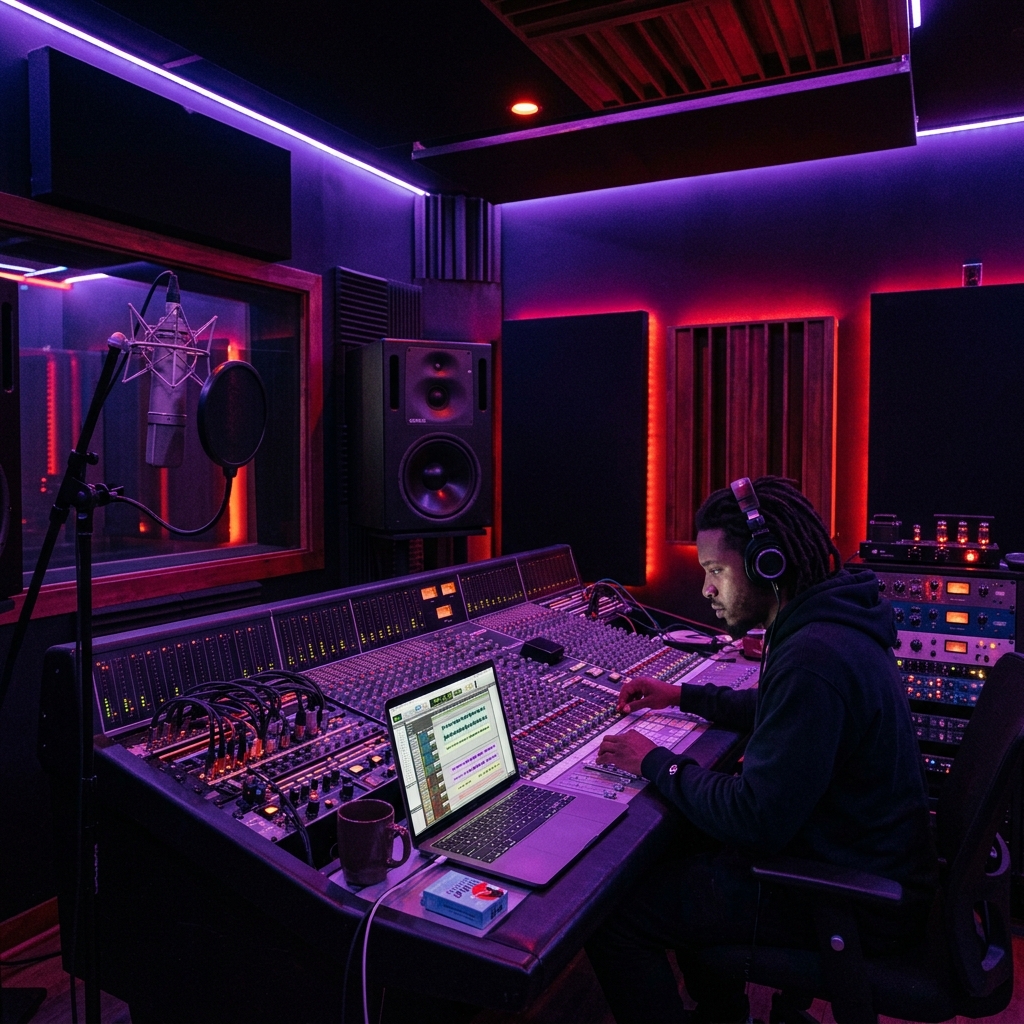
Tracks like “Codeine Confessional” and “Glass House” don’t bang; they simmer. The tempo is intentionally sluggish, creating a feeling of being trapped in a sensory-deprivation tank with nothing but your own regrets. By stripping back the explosive energy of traditional trap production, Future forces the listener to actually focus on what he is saying, rather than just vibing to the cadence.
The Lyrical Shift: Vulnerability vs. Toxicity
Lyrically, The Real Me is the most nakedly honest project Future has released since HNDRXX. But where HNDRXX was an R&B-infused exploration of heartbreak, this album is a cold, clinical self-assessment.
He is no longer bragging about emotional detachment; he is diagnosing it as a pathology. On the title track, he raps in a strained, exhausted croon about the paranoia of wealth, the isolation of fame, and the realization that the “Toxic King” crown is incredibly heavy. He acknowledges the damage he has done to his partners, his family, and ultimately, himself.
This is the evolution of toxic authenticity. He isn’t apologizing for who he was, but he is refusing to pretend that it didn’t leave scars. It is a masterful subversion of his own mythology.
The “Decade Run” Data
Future’s ability to execute this pivot while maintaining massive commercial relevance is staggering. To contextualize his dominance, we must look at the data.
| Era / Album | Release Year | Primary Thematic Focus | Cultural Impact | Billboard Peak |
|---|---|---|---|---|
| The Blueprint (Monster, Beast Mode, 56 Nights) | 2014-2015 | Raw, unpolished trap, emotional numbness, establishing the mixtape run. | Defined the sound of Atlanta trap for a decade. | N/A (Mixtapes) |
| The Superstar (DS2, Evol) | 2015-2016 | Hedonism, commercial crossover, the birth of the “Toxic King.” | Pushed trap music into the mainstream pop consciousness. | #1 |
| The Global Icon (High Off Life, INLY) | 2020-2022 | Luxury, maintaining dominance, victory laps. | Solidified his status as an untouchable legacy artist. | #1 |
| The Deconstruction (The Real Me) | 2026 | Vulnerability, isolation, the consequences of the persona. | Proves longevity through artistic maturation. | #1 (Projected) |
Very few artists in any genre can claim a decade-long run of uninterrupted cultural relevance. Future has achieved it not by remaining static, but by constantly adjusting the lens through which we view his core narrative.
The Standout Tracks
While the album flows best as a cohesive, paranoid narrative, several tracks immediately stand out as career highlights.
“Glass House” is the emotional anchor of the album. Over a weeping, distorted guitar loop, Future delivers a harrowing verse about the inability to trust anyone when your net worth surpasses nine figures. The vocal performance is raw, with his voice audibly cracking on the hook.
“Silicon Valley” is a fascinating, cynical look at the modern tech-bro economy and how it intersects with hip-hop luxury. Future compares the ruthless, algorithmic nature of social media to the cold realities of the streets, finding terrifying parallels between the two.
“No More Interviews” serves as the album’s aggressive closer. It is the one moment where the old, defiant Future peeks through the gloom. Over a chaotic, stuttering beat, he rejects the media’s attempts to psychoanalyze him, declaring that the music is the only statement he intends to make.
Conclusion: A Maturing Icon
The Real Me is not an easy listen. It lacks the immediate, serotonin-boosting anthems that define his most commercially successful work. You will not hear these songs in a nightclub. You will not hear them on TikTok trends.
But that is exactly why the album is a masterpiece. Future has finally reached the stage in his career where he no longer has to compete with the 19-year-old SoundCloud rappers for algorithmic supremacy. He has earned the right to be introspective.
By tearing down the “Toxic King” persona and exposing the fragile, paranoid human underneath, Future has achieved the rarest feat in hip-hop: he has aged gracefully. The Real Me secures his legacy not just as a hitmaker, but as a complex, foundational artist who shaped the sound of a generation, and lived long enough to tell the truth about what it cost him.
Frequently Asked Questions
What is Future’s new album called?
Future’s surprise 10th solo studio album released in 2026 is titled The Real Me.
Who produced Future’s The Real Me album?
The production on The Real Me is primarily handled by Future’s longtime collaborators Metro Boomin and Southside, but it features a significant departure from their usual sound, leaning heavily into atmospheric, moody, and stripped-back instrumentals.
Is The Real Me different from Future’s older music?
Yes. While his older albums (like DS2) focused heavily on energetic, club-ready trap beats and a hedonistic, “toxic” persona, The Real Me is a much more vulnerable, introspective, and paranoid album that deconstructs his fame and the emotional toll of his lifestyle.
How long has Future been relevant in hip-hop?
Future has maintained a dominant, highly influential run in global hip-hop for over a decade, beginning with his legendary 2014-2015 mixtape run (Monster, Beast Mode, 56 Nights) and continuing through his 10th solo release in 2026.