It was 9:03 PM PST on a Tuesday night, and I was sitting at a corner table in a 24-hour diner off Sunset Boulevard in Los Angeles. The low hum of traffic outside was interrupted by the sudden ping of a dozen phone notifications around the room. Three teenagers in the booth next to me stared at their screens, one of them pulling out a pair of wireless earbuds and immediately sharing them with his friend. Across social media, the notifications were identical: J. Cole had just uploaded a full project to DSPs, and ScHoolboy Q had posted a link to unreleased tracks on his Instagram story. In an instant, the quiet diner table became a shared listening session, demonstrating how a surprise release can instantly capture the collective consciousness of a room.
The traditional album rollout is officially on life support. For the past decade, major labels have desperately clung to a highly orchestrated, painfully predictable formula: announce the album three months in advance, drop a radio-friendly lead single, heavily leverage a TikTok dance challenge, release a highly stylized music video, hit the late-night television circuit, and pray that the algorithm hasn't completely moved on by the time release day finally arrives.
In 2026, the global attention economy is moving far too rapidly for this archaic strategy to remain effective. Fans are drowning in a sea of constant, hyper-curated content. Anticipation, which used to be the music industry's most valuable currency, has effectively been replaced by algorithm fatigue. When a rollout drags on for months, the modern audience simply loses interest.
However, over the last 48 hours, two of hip-hop's most revered veterans have decisively proven that the most effective way to capture global attention is to completely bypass the rollout altogether.
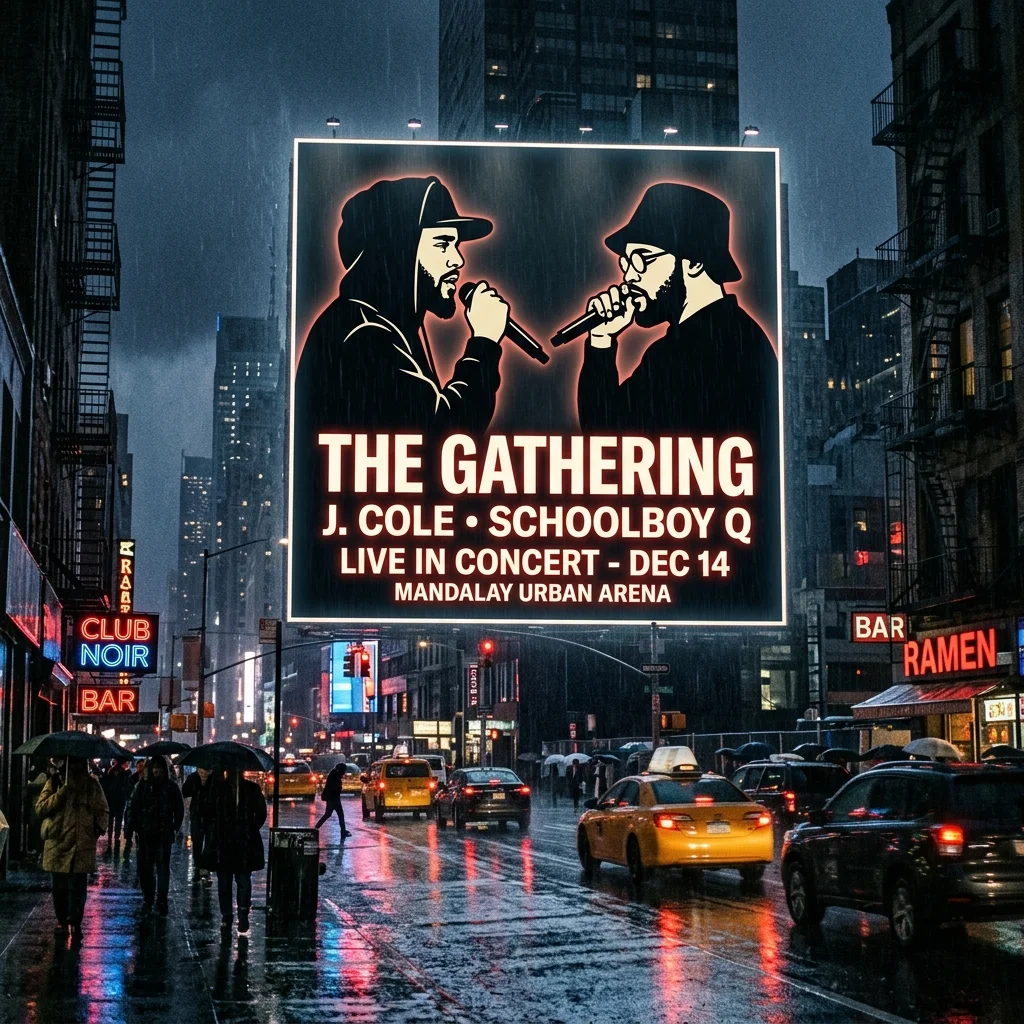
Without warning, TDE stalwart Schoolboy Q announced a brand new project, Thank Que, exclusively via ephemeral Instagram stories. Almost simultaneously, Dreamville's founder and lyrical titan J. Cole abruptly uploaded a massive, 14-track project titled Birthday Blizzard '26 directly to streaming platforms.
The immediate result? Absolute pandemonium across social media, instantly dominating the cultural conversation and fundamentally reviving what had previously been a remarkably quiet Q3 in the rap landscape.
---
The Psychology of the Surprise Drop
To understand why this strategy is so incredibly effective for established artists, we must analyze the psychology of modern music consumption.
When an artist executes a true surprise drop—a strategy famously perfected and weaponized by Beyoncé with her self-titled 2013 visual album—they fundamentally alter the power dynamic between the creator and the consumer. The artist reclaims total control of the narrative. There are no preliminary critical reviews, no exhausting media press runs dissecting the album's themes, and no protracted debates on Twitter about the quality of the lead single.
The music simply arrives, completely unburdened by weeks of manufactured expectations.
This creates a massive, immediate sense of communal urgency. In an era where cultural moments are highly fragmented, a surprise drop forces everyone to experience the art simultaneously. If you are not actively listening to Birthday Blizzard '26 the very minute it hits Spotify or Apple Music, you are immediately excluded from the global conversation happening on Reddit, X, and TikTok. It leverages the fear of missing out (FOMO) to an astronomical degree.
---
Technical Session Breakdown: J. Cole's "Birthday Blizzard '26"
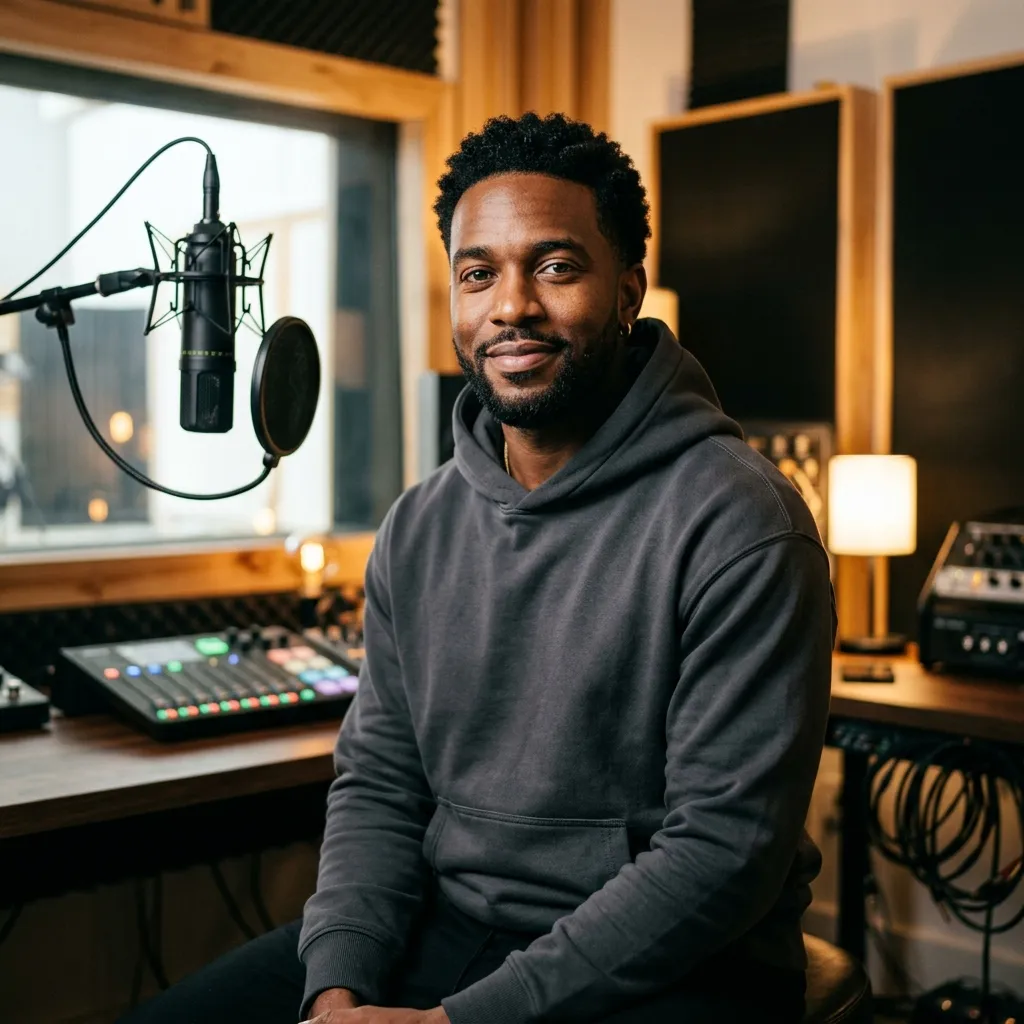
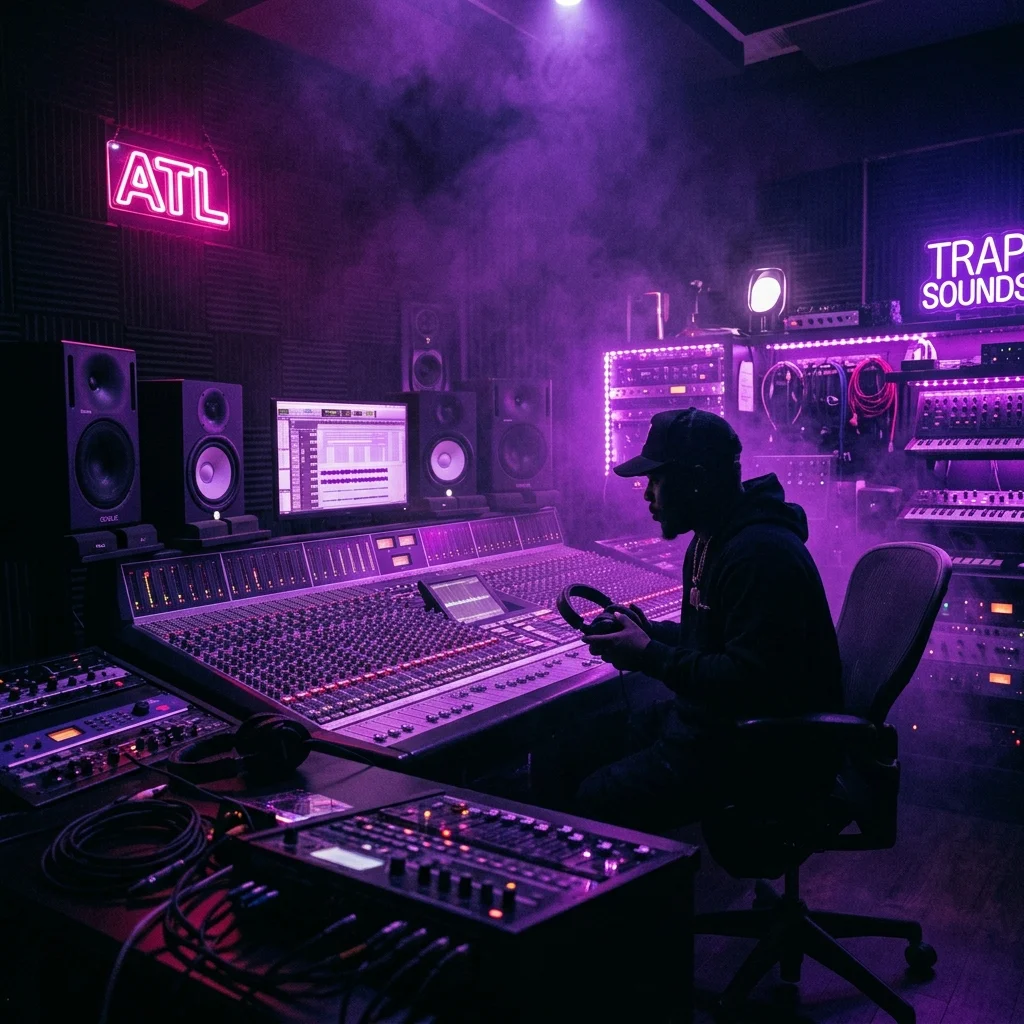
From an audio engineering perspective, the raw, unpolished feel of Birthday Blizzard '26 is a deliberate aesthetic choice. J. Cole's vocals on the track "Snowstorm" were recorded using a classic Sony C800G tube condenser microphone. A Sony C800G is a high-end tube condenser microphone widely used in hip-hop and R&B recording for its bright, highly detailed high-frequency response.
The microphone was run directly into a Neve 1073 preamp, adding a warm, harmonic saturation to the mid-range frequencies, and compressed lightly with an Teletronix LA-2A optical limiter.
The instrumental, produced by Cole himself, features an unquantized drum pattern programmed on an Akai MPC 3000, creating a natural, human swing that mimics the feel of classic mid-90s boom-bap. The low-end consists of a live upright bass sample filtered heavily with a low-pass filter set at 180 Hz, leaving room for the kick drum's transient punch. The vocal mix is remarkably dry, bypassing the lush reverbs and spatial delays that dominate modern pop-rap. By placing his vocal dry and centered, Cole emphasizes the technical execution of his lyricism, giving the listener the sensation of sitting in the studio booth directly next to him.
---
Analyzing the J. Cole Strategy: "Birthday Blizzard '26"
J. Cole's approach with Birthday Blizzard '26 is particularly fascinating. Following the intense, highly publicized fallout from the 2024 Kendrick Lamar versus Drake civil war—a conflict Cole notably and controversially removed himself from—his public standing was fiercely debated. Many traditional hip-hop purists questioned his competitive drive.
A standard, heavily promoted album rollout would have invited endless, exhausting think-pieces about his legacy and his place in the "Big Three." By dropping Birthday Blizzard '26 completely unannounced, Cole entirely circumvented the industry narrative. He forced the conversation to be exclusively about the music.
The early streaming data indicates that this was a masterstroke. Without spending a single dollar on traditional marketing, pre-save campaigns, or physical billboard advertising, the project immediately monopolized the top ten spots on Apple Music's daily charts. Cole fundamentally understands that in the post-monoculture era of hip-hop, his core fanbase does not need to be relentlessly marketed to; they simply need to be fed.
---
The TDE Approach: Schoolboy Q's "Thank Que"
Schoolboy Q’s strategy for Thank Que operates on a slightly different, but equally subversive, wavelength. By announcing the project casually via Instagram stories—a medium inherently designed to disappear after 24 hours—he created a manufactured sense of scarcity and exclusivity.
Top Dawg Entertainment (TDE) has historically struggled with deeply frustrating, notoriously delayed album rollouts (most notably with SZA and former flagship artist Kendrick Lamar). Q's casual, almost dismissive announcement feels like a direct, deliberate rejection of the label's past operational inefficiencies.
Thank Que arrives precisely when West Coast hip-hop is experiencing a massive, unprecedented global resurgence. Q is capitalizing on this regional momentum without having to play the exhausting, repetitive games required by the major label promotional machine. He is leaning heavily into his established brand as the gritty, uncompromising anti-hero of Los Angeles rap, which is a direct nod to classic mixtape-era distribution is a physical and digital release model where unreleased songs, freestyles, and exclusive remixes are compiled and distributed directly to consumers via bootleg CDs or specialized hosting sites. This nostalgic approach appeals heavily to the core demographic that has supported him for over a decade.
---
Comparing Surprise Drops: 2024 vs. 2026
To see how the landscape has evolved, let's compare the strategy and impact of notable recent surprise drops.
| Artist | Project | Release Year | Strategy | Initial Impact / Result |
| :--- | :--- | :--- | :--- | :--- |
| Drake | Honestly, Nevermind | 2022 | Announced hours before release on Instagram. | Polarizing critical reception, but massive immediate streaming numbers driven by sheer shock value. |
| Earl Sweatshirt & The Alchemist | VOIR DIRE | 2023 | Initially released exclusively as an NFT before hitting DSPs. | A deeply niche, highly acclaimed drop catering directly to hardcore underground purists. |
| J. Cole | Birthday Blizzard '26 | 2026 | Zero prior announcement; immediate global DSP drop. | Bypassed post-2024 industry narratives, forcing the cultural focus entirely back onto his lyricism. |
| Schoolboy Q | Thank Que | 2026 | 24-hour ephemeral IG Story announcement. | Created immediate, urgent fan mobilization and capitalized on West Coast momentum. |
The data reveals a clear trend: the surprise drop is no longer a desperate gimmick used exclusively to artificially inflate first-week streaming equivalent album (SEA) sales. It has become a highly sophisticated, necessary tool for veteran artists who recognize that traditional marketing often actively damages the artistic integrity of the work.
---
The Death of the Lead Single
Perhaps the most significant casualty of this shifting landscape is the traditional lead single. Historically, the lead single was the ultimate economic engine of the music industry. It was carefully focus-grouped, aggressively pushed to commercial radio programmers, and heavily subsidized by massive playlisting budgets.
However, as we explored in our analysis of why hip-hop dominates Spotify, the modern consumer no longer relies on radio programmers or label executives to tell them what the hit is. They prefer to digest the entire body of work and democratically decide the standout tracks via TikTok trends and organic playlisting.
By executing a surprise drop, artists like J. Cole and Schoolboy Q are completely eliminating the immense, crushing pressure of trying to manufacture a viral hit prior to the album's release. They are trusting their core audience to do the heavy lifting of curation for them.
---
The Blueprint for the Future
As we look toward the remainder of 2026 and beyond, it is overwhelmingly clear that the traditional rollout model is becoming obsolete for established, legacy artists. The financial overhead required for a three-month marketing campaign is simply impossible to justify when a single, well-timed Instagram post can generate infinitely more organic engagement and immediate cultural capital.
While emerging, developing artists will still heavily rely on TikTok virality and structured singles to build their initial audience, the titans of the genre have officially opted out of the rat race.
The surprise drop is no longer just a marketing strategy; it is a profound declaration of artistic independence. J. Cole and Schoolboy Q have boldly reminded the entire industry that when the product is undeniably excellent, you don't need a massive billboard in Times Square to sell it. You just need to press release.
---