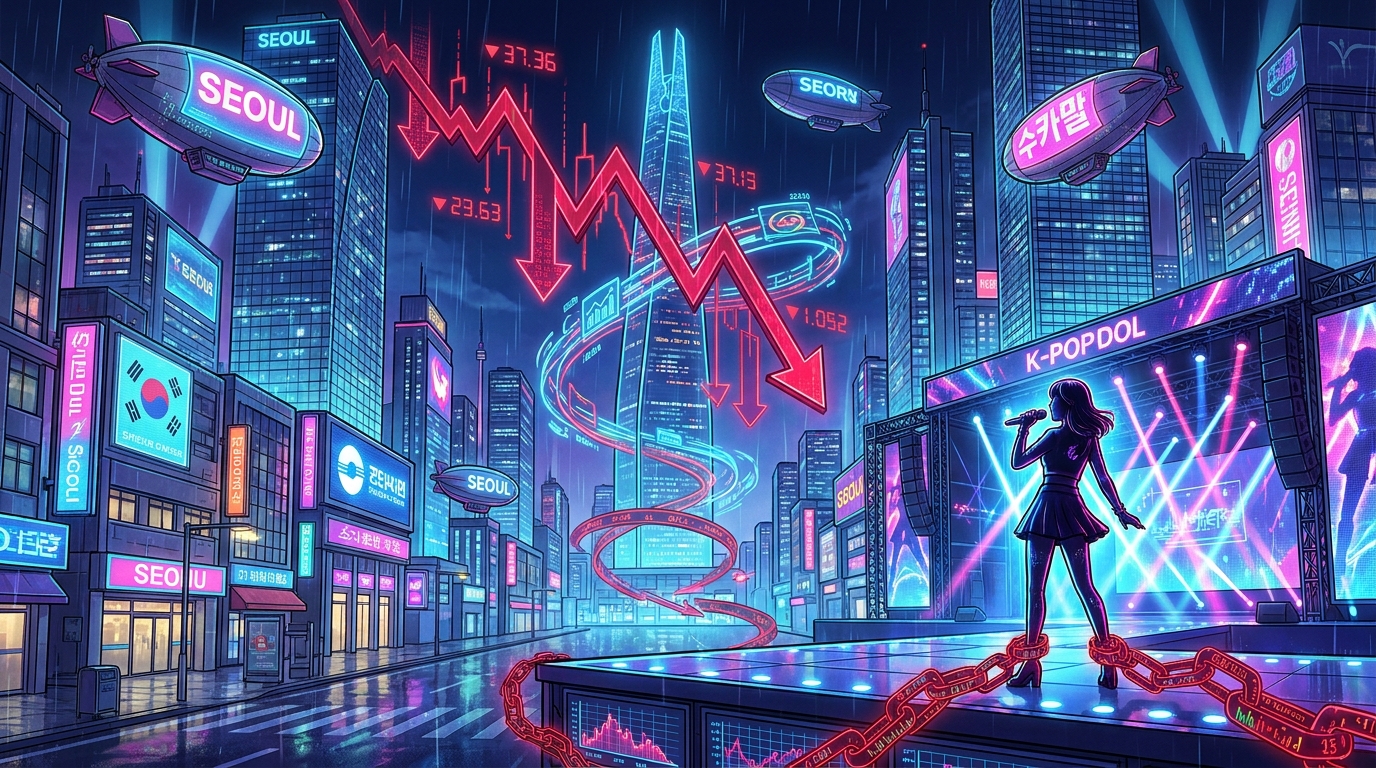

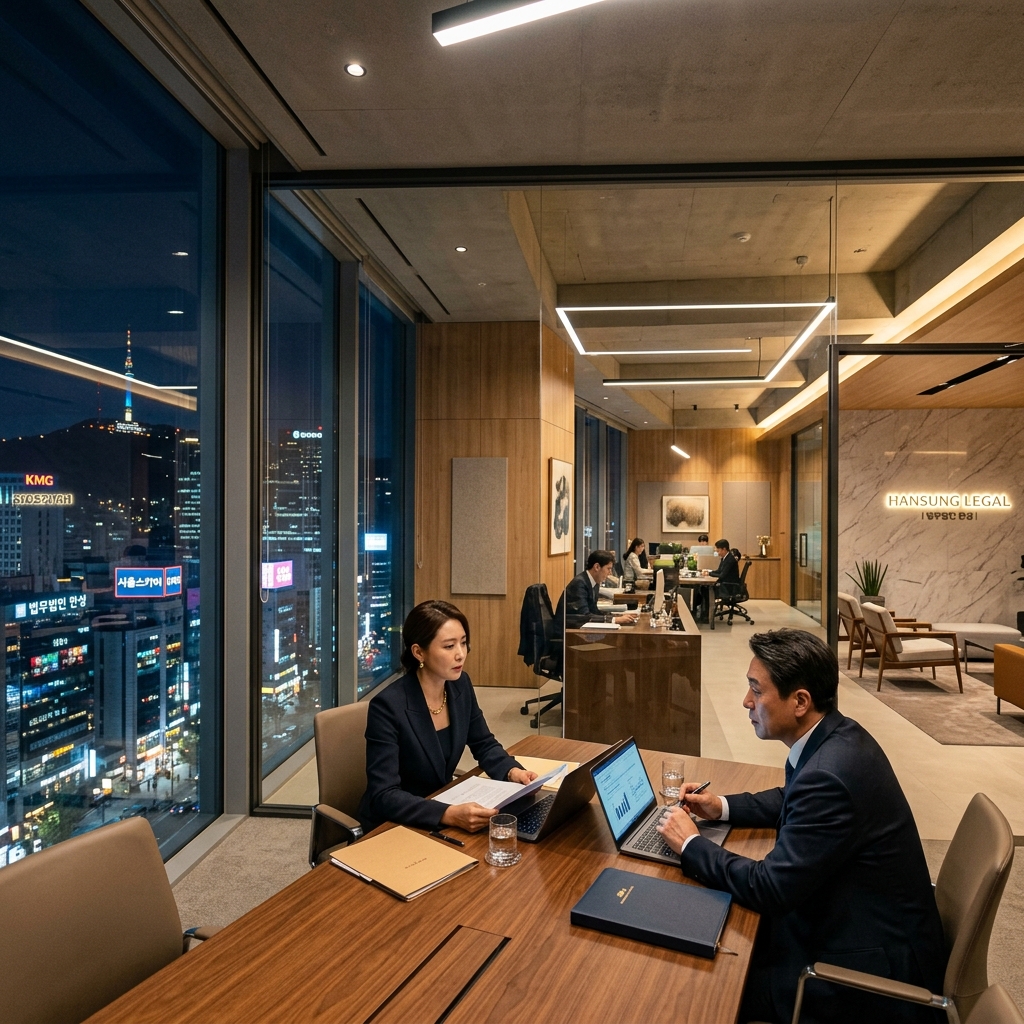
Sitting inside the central lobby of the Seoul Central District Court yesterday afternoon, I watched a team of attorneys clad in dark suits carrying heavy legal binders. The target of their destination was the Civil Division clerk’s office, where a formal copyright infringement lawsuit was officially filed against HYBE and the production team behind BTS’s chart-topping global hit “Swim.”
For BTS and their massive global fanbase (ARMY), the track “Swim” has been celebrated as a sonic masterpiece since its release—a perfect fusion of ambient pop and signature Korean hip-hop. However, the lawsuit, filed on behalf of a relatively unknown European indie producer, alleges that the core chord progression, vocal arrangement, and ambient synth pad in “Swim” were copied from a demo track titled “Float,” which was shopped to HYBE’s overseas A&R team back in late 2024. As the legal battle begins, the controversy raises critical questions about how global song camps operate, the transparency of the demo submission process, and the increasing legal vulnerability of K-pop’s multi-layered production pipeline.
The Legal Core of the “Swim” Dispute
At its heart, the lawsuit alleges “striking similarity” between the two tracks. To win a copyright infringement suit in South Korea, the plaintiff must prove two primary elements: access (that the defendant had a reasonable opportunity to hear the plaintiff’s work) and substantial similarity (that the average listener would find the two works significantly alike).
According to court filings, the plaintiff’s legal team has submitted email correspondence and digital watermarks proving that the demo “Float” was sent directly to a prominent HYBE producer in November 2024. The lawsuit claims that while the agency officially passed on the track, the production team retained the core elements, modifying the tempo and key signature to create what would eventually become “Swim.”
Substantial similarity in music copyright law is a legal standard assessing whether two musical works share enough original expression in melody, rhythm, or harmony to constitute infringement.
HYBE has issued a brief, firm statement denying all allegations, stating that “Swim” was created independently by their in-house producers and co-writers, and they intend to defend their intellectual property vigorously in court.
| Case / Dispute | Year | Disputing Parties | Alleged Infringed Track | Resolution Status |
|---|---|---|---|---|
| BTS - “Swim” | 2026 | European Indie Producer vs. HYBE | “Float” (2024 Demo) | Pending, initial filings complete |
| Fifty Fifty - “Cupid” | 2023 | Swedish Composers vs. The Givers | Original Demo Version | Settled, copyright shares redistributed |
| NewJeans - “Bubble Gum” | 2024 | Shakatak vs. ADOR | “Easier Said Than Done” (1981) | Ongoing negotiation, credit disputes |
| JYP - “Sunset” | 2021 | Independent Producer vs. JYP Ent. | Unreleased Beat Submission | Settled out of court, undisclosed sum |
The Song-Camp Pipeline and Creative Overlaps
To understand how these disputes happen, one has to examine the modern K-pop production model. Unlike rock bands or traditional hip-hop producers who write their own music in isolated studios, K-pop agencies rely heavily on global “song camps.”
These camps are corporate-sponsored workshops where dozens of international songwriters, top-line writers, and beatmakers are brought together for a week to write as many songs as possible. The resulting tracks are cataloged in massive databases, where A&Rs select and piecemeal sections together. A single K-pop song can easily have six to ten credited writers and producers from three different continents.
Creative fragmentation is the production process where different sections of a single musical track (e.g., hooks, bridges, and drum patterns) are sourced from separate, unconnected writers.
While this system allows agencies to consistently churn out hits, it also creates massive legal vulnerabilities. With so many hands on a single track, it becomes difficult to track where every melody or synth loop originated. If a producer at a song camp unconsciously borrows a chord progression they heard in a demo submission years prior, it can lead to a multi-million-dollar lawsuit down the road.
Cryptomnesia: Unconscious Plagiarism in a Saturated Market
Outside of deliberate theft, musicologists argue that many modern copyright disputes are the result of cryptomnesia—unconscious plagiarism. In a world where millions of songs are uploaded to streaming platforms daily, the pool of unique chord progressions and vocal hooks is mathematically shrinking.
Producers are exposed to thousands of pieces of audio weekly via social media, playlists, and industry pitches. It is entirely possible for a writer to recall a melody they heard years ago, genuinely believing they invented it on the spot. In the eyes of the law, however, intent is irrelevant. If the tracks are substantially similar and access can be proven, the court will rule in favor of the plaintiff.
Counterpoint: The Risk of Frivolous Legal Attacks on K-Pop
While protecting independent artists is crucial, the K-pop industry also faces a rising tide of frivolous copyright claims. Because K-pop is globally popular and highly lucrative, major groups represent massive targets for litigation.
Attorneys representing major agencies argue that many plaintiffs file lawsuits not because they expect to win at trial, but because they want to force a quiet, out-of-court settlement. K-pop agencies are notoriously sensitive about public relations; even the hint of plagiarism can damage an idol group’s image and tank corporate stock prices. Consequently, agencies often choose to settle out of court, offering co-writing credits and a percentage of royalties to make the lawsuit go away quickly, even if they believe their work was entirely original.
The BTS “Swim” lawsuit will likely take months, if not years, to wind its way through the Korean legal system. Whether HYBE chooses to fight to the end or negotiate a settlement, the case serves as a loud warning to the K-pop industry: in the age of global song camps and digital demo distribution, the boundary between inspiration and infringement is thinner than ever.
Frequently Asked Questions
What are the allegations in the BTS Swim copyright lawsuit?
The lawsuit alleges that the core chord progression, ambient synth pads, and vocal arrangements in BTS’s global hit “Swim” were copied from an unreleased demo track titled “Float.” The plaintiff claims the demo was submitted to HYBE’s A&R department in 2024 and rejected before being illegally used to construct “Swim.”
Who filed the lawsuit against BTS for the song Swim?
The lawsuit was filed in Seoul by a legal team representing an independent European music producer who composed the 2024 demo track “Float.” The names of the specific producer and their legal firm have been partially withheld under South Korean privacy laws.
How has HYBE responded to the copyright allegations?
HYBE has officially denied all claims of copyright infringement. The agency released a brief statement asserting that “Swim” is an entirely original work created independently by its internal production staff and co-writers, and they intend to defend the track fully throughout the legal process.
Related Reading & Context
To learn more about the complexities of international music business contracts, read our analysis of the End of the 360 Deal and the Rise of Independent Distribution in 2026, or explore the evolution of the global sound in Sonic Shift: Why K-Pop Sounds Like Atlanta Trap.