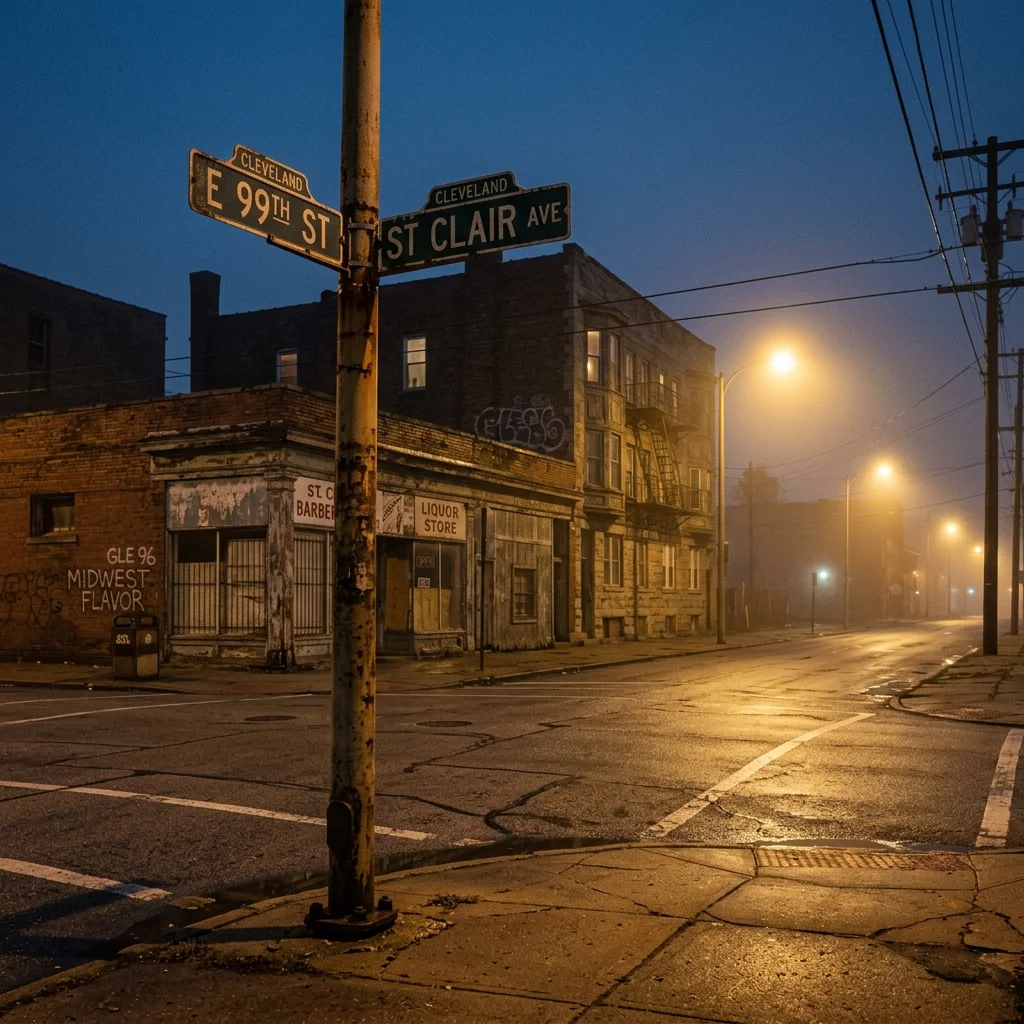
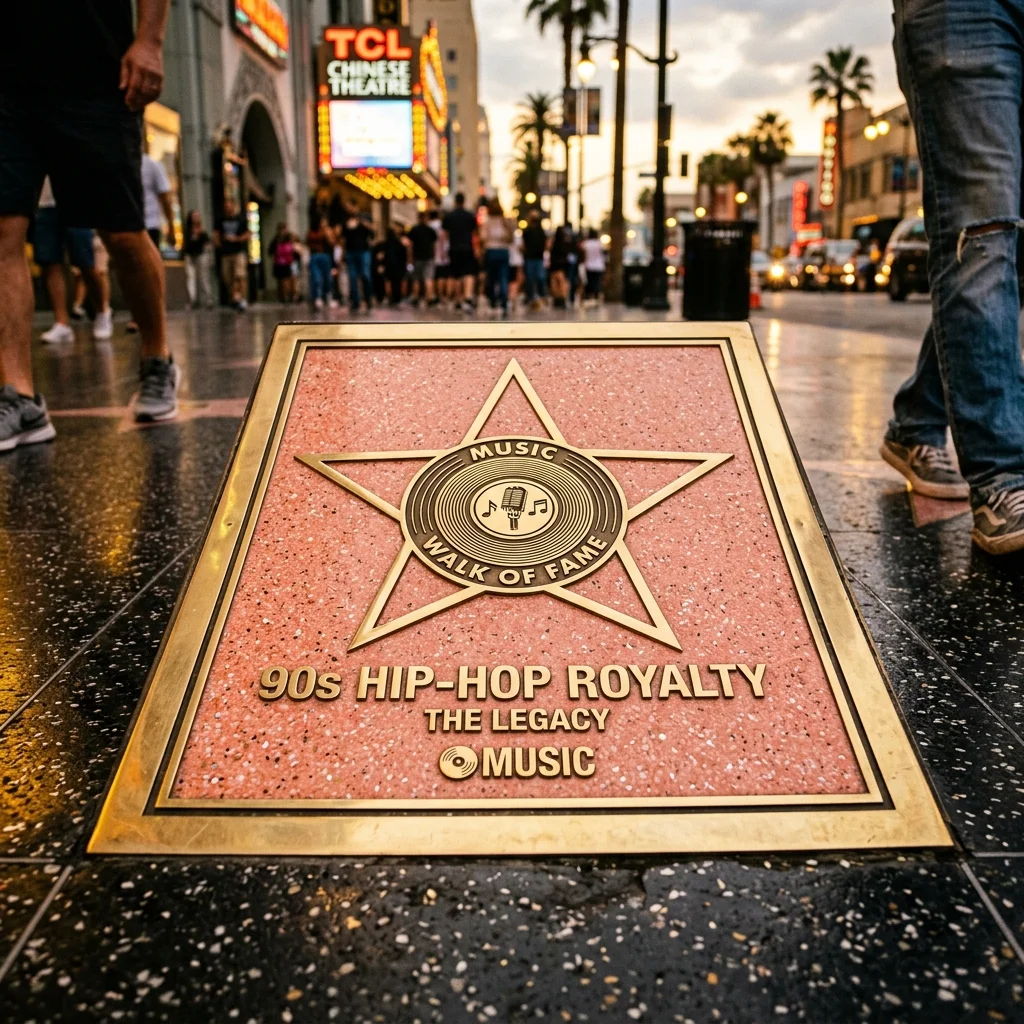
It has been a long, winding, and profoundly influential road from the gritty intersections of East 99th Street and St. Clair Avenue in Cleveland, Ohio, to the polished terrazzo sidewalks of Hollywood Boulevard. Yesterday, July 8, 2026, that journey was finally immortalized in brass and stone.
Bone Thugs-N-Harmony—the legendary, genre-defying group comprising Krayzie Bone, Layzie Bone, Bizzy Bone, Wish Bone, and Flesh-n-Bone—officially received the 2,851st star on the Hollywood Walk of Fame. Honored in the prestigious category of Recording, the ceremony was a triumphant celebration of a 35-year legacy that fundamentally permanently altered the sonic DNA of modern hip-hop and R&B.
Emceed by iconic radio personality Big Boy, and featuring emotional, deeply personal guest speeches from West Coast stalwart Xzibit, New York legend Fat Joe, and Ice-T, the ceremony was a rare, unifying moment for the often-fragmented hip-hop community. But beyond the glitz, the cameras, and the speeches, the induction of Bone Thugs-N-Harmony forces us to step back and critically examine one of the most unique and enduring musical legacies in American history.
The Pioneers of the Melodic Chopper Flow
When Bone Thugs-N-Harmony burst onto the national scene in the early 1990s—famously taking a one-way bus ticket to Los Angeles to relentlessly audition for Eazy-E over the phone until he finally signed them to Ruthless Records—they introduced a sound that literally no one else on the planet was making.
Before Bone Thugs, hip-hop was largely defined by strict regional binaries. You had the aggressive, sample-heavy boom-bap of New York (Wu-Tang Clan, Nas, Mobb Deep) and the cinematic, synthesizer-driven G-Funk of Los Angeles (Dr. Dre, Snoop Dogg, 2Pac). The Midwest, and Cleveland in particular, was considered an absolute musical void by coastal record executives.
Bone Thugs obliterated that geographic bias by inventing an entirely new rhythmic language. They pioneered the "chopper" flow—a hyper-kinetic, rapid-fire lyrical delivery that required immense breath control and technical precision. But what made them truly revolutionary was that they didn't just rap fast; they harmonized while doing it.
They blended the aggressive, street-level storytelling of gangsta rap with the complex, multi-part vocal harmonies of a gospel choir or a classic R&B group like Boyz II Men. Tracks like "Thuggish Ruggish Bone" and the Grammy Award-winning "Tha Crossroads" (a deeply moving tribute to their mentor Eazy-E) were sonic anomalies. They were simultaneously incredibly tough and profoundly beautiful, deeply melancholic yet aggressively triumphant.
The Blueprint for Modern Melodic Rap
If you look at the landscape of mainstream hip-hop in 2026, the influence of Bone Thugs-N-Harmony is absolutely omnipresent. They are the undeniable, direct architectural blueprint for the melodic rap generation.
Every time a modern rapper seamlessly transitions from a rapid-fire triplet flow into a harmonized, sung chorus, they are paying an unconscious debt to Krayzie and Bizzy Bone. The stylistic DNA of Bone Thugs is deeply woven into the fabric of artists ranging from Twista and Tech N9ne (who expanded on the chopper flow) to modern melodic titans like Drake, Travis Scott, and the late Juice WRLD.
When you examine the rise of regional hip-hop, it is impossible not to view Bone Thugs as the ultimate pioneers. They proved that a group could proudly represent a secondary market (Cleveland) without having to dilute their deeply specific local slang or aesthetic to appease the coastal gatekeepers. They brought the Midwest to the entire world on their own uncompromising terms.
!A moody, foggy intersection in Cleveland showing the street signs for E 99th St and St Clair Ave.
A Rare Honor: Hip-Hop on the Walk of Fame
The induction of Bone Thugs-N-Harmony is also significant when you consider the historical context of the Hollywood Walk of Fame. While the Walk of Fame boasts over 2,800 stars, hip-hop representation—particularly for groups rather than individual solo artists—remains surprisingly sparse.
The Hollywood Chamber of Commerce, the governing body that handles the meticulous selection process, has historically been incredibly slow to recognize hip-hop acts compared to their pop, rock, and country counterparts. Receiving a star requires a rigorous nomination process, a massive $75,000 sponsorship fee (usually covered by a record label or dedicated fan campaigns), and proof of a lasting, multi-decade impact on the entertainment industry.
Hip-Hop Acts on the Hollywood Walk of Fame
To illustrate how exclusive this club truly is, here is a breakdown of some of the most notable hip-hop acts that have received stars, highlighting the scarcity of pure rap groups.
| Artist / Group | Year Inducted | Category | Cultural Significance |
| :--- | :--- | :--- | :--- |
| Queen Latifah | 2006 | Motion Pictures / Recording | The first hip-hop artist to receive a star, honored for her massive crossover success. |
| Diddy | 2008 | Recording | Recognized for building the Bad Boy empire and defining the commercial shiny-suit era. |
| LL Cool J | 2016 | Recording | Honored for his pioneering solo career and transition into a massive television star. |
| Snoop Dogg | 2018 | Recording | The ultimate West Coast ambassador, transitioning from gangsta rap pioneer to global pop culture icon. |
| Cypress Hill | 2019 | Recording | The first Latino American hip-hop group to receive a star, honoring their massive influence on alternative rap. |
| Salt-N-Pepa | 2022 | Recording | The first female rap group to receive a star, celebrating their groundbreaking, barrier-shattering 80s and 90s hits. |
| Tupac Shakur | 2023 | Recording | A posthumous honor for one of the most globally recognized and influential figures in music history. |
| Bone Thugs-N-Harmony| 2026 | Recording | Honored for inventing the melodic chopper flow and putting Cleveland on the global musical map. |
As the data clearly shows, Bone Thugs-N-Harmony joins an incredibly elite, heavily curated fraternity. The fact that all five original members—despite decades of highly publicized internal conflicts, legal battles, and shifting industry trends—were able to stand together on Hollywood Boulevard in 2026 is nothing short of miraculous.
The Enduring Legacy of "Tha Crossroads"
While their catalog is dense and varied, the group's legacy will forever be tethered to their magnum opus, "Tha Crossroads." Released in 1996 following the tragic, sudden death of their mentor and label boss Eazy-E, the song remains one of the most commercially successful and emotionally resonant hip-hop songs ever recorded.
"Tha Crossroads" did something incredibly rare in the gangsta rap era: it allowed hardcore artists to be openly, vulnerably grieving. It addressed mortality, spirituality, and the devastating impact of street violence with a profound, almost gospel-like reverence. It spent eight weeks at number one on the Billboard Hot 100, tied a record held by The Beatles for the highest-debuting rap single, and won a Grammy.
More importantly, it became a cultural anthem. In the post-monoculture era of hip-hop, where hits come and go in a matter of days on TikTok, a song with the enduring, multi-generational staying power of "Tha Crossroads" is almost impossible to replicate.
As Krayzie Bone noted during his induction speech, "We didn't just make music for the club; we made music for the soul. We made music for people who were hurting, who were struggling, who were trying to figure out how to make it to tomorrow."
Looking Forward: The 2026 Resurgence
The Walk of Fame star is not just a capstone; it serves as a catalyst for a massive 2026 resurgence. Following the success of the vinyl resurgence and the superfan economy, classic hip-hop groups are seeing massive spikes in physical media sales and lucrative legacy touring opportunities.
Bone Thugs-N-Harmony are perfectly positioned to capitalize on this wave. Their intricate, harmony-heavy production sounds incredible on high-end analog equipment, and their live shows, when all five members are fully engaged, remain a masterclass in vocal control and breath management.
For the kids from Cleveland who slept in bus stations, hustled their demos on the streets of Los Angeles, and willed their unique vision into existence through sheer talent and unbreakable brotherhood, the Hollywood star is the ultimate vindication. They didn't conform to the industry; they forced the entire global music industry to conform to them.
---