When a legendary hip-hop artist passes away, the immediate aftermath is predictably chaotic. Grief is quickly commodified. Labels rush out unfinished, poorly mixed posthumous albums to capitalize on mourning fans. Family members wage brutal, deeply public legal wars over master recordings, publishing rights, and unpaid royalties. The cultural legacy of the artist is often overshadowed by the grotesque financial scramble of the estate.
We have witnessed this tragedy play out repeatedly over the last few decades, from the seemingly endless litigation surrounding Tupac Shakur's sprawling vault of unreleased music to the deeply exploitative handling of XXXTentacion and Pop Smoke’s final, fragmented recordings.
However, five years after the tragic passing of the legendary "Clown Prince of Hip-Hop," Biz Markie (born Marcel Hall), his estate has managed to do something genuinely revolutionary. Under the meticulous stewardship of his widow and executor, Tara Hall, the Biz Markie estate has quietly built the most sophisticated, respectful, and legally robust legacy management operation in hip-hop history.
Through a groundbreaking new publishing deal, the launch of a highly curated "Living Archive," and a rigorous approach to Name, Image, and Likeness (NIL) rights, Tara Hall hasn't just protected her late husband's legacy—she has fundamentally rewritten the blueprint for how a deceased rapper's estate should operate in the modern music industry.
The Downtown Music Deal: Securing the Vault
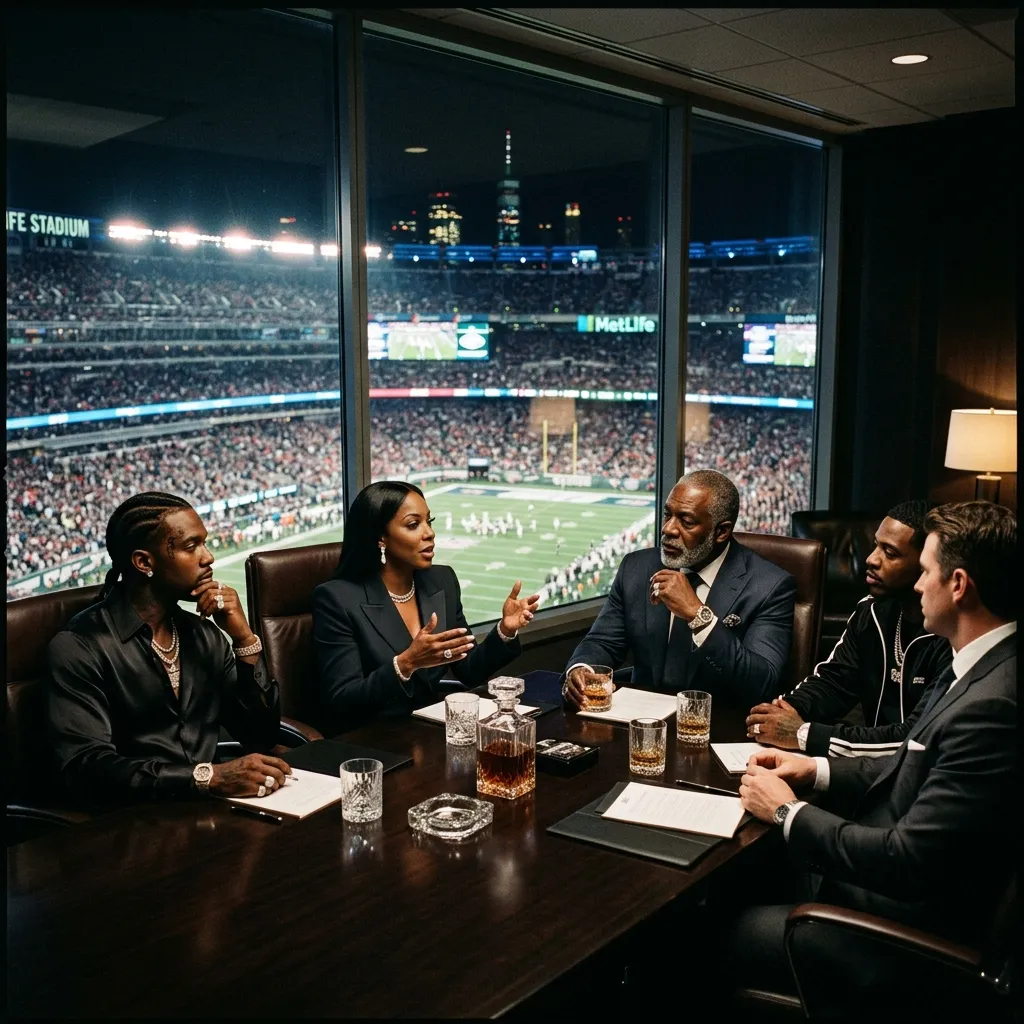
The cornerstone of this new blueprint was cemented in May 2026, when the Biz Markie estate entered into a comprehensive, multi-tiered agreement with Downtown Music Publishing (DMP).
In the past, hip-hop estates have often made the critical error of completely liquidating their assets. They sell the entirety of the artist's master recordings and publishing catalogs to massive venture capital firms (like Hipgnosis Songs Fund or Primary Wave) for a massive upfront lump sum. While this provides immediate generational wealth for the family, it entirely removes their creative control over how the music is used in the future.
The Biz Markie estate took a drastically different, more sustainable approach. They did not sell the catalog; they partnered for administration.
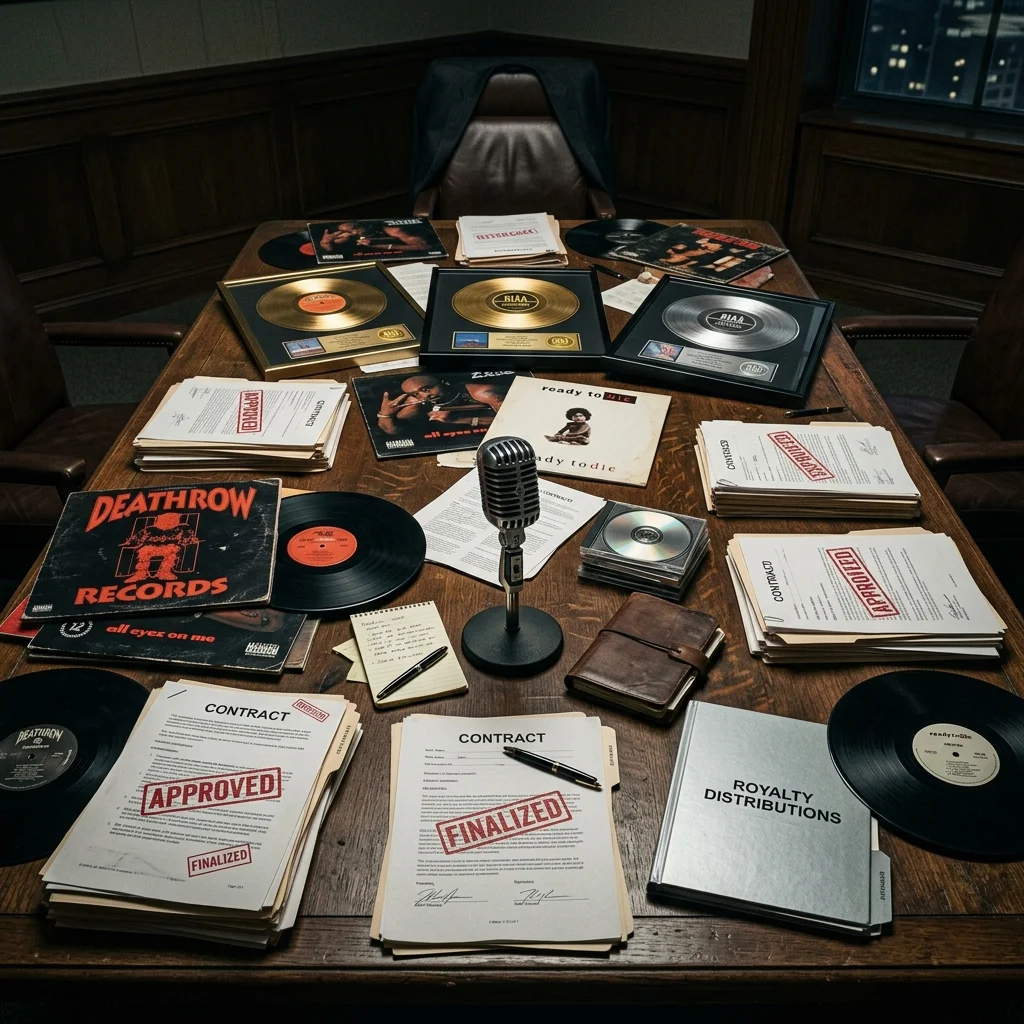
The deal with Downtown Music Publishing is strictly an administration and sync licensing agreement. DMP acts as the global collection agency, ensuring that every time "Just a Friend" is played on Spotify, sampled by a new artist, or used in a Netflix series, the royalties are rigorously tracked and paid directly to the estate. Furthermore, the agreement uniquely includes the dedicated management of Biz Markie’s Name, Image, and Likeness (NIL) rights.
This three-pronged approach—publishing administration, aggressive sync licensing, and strict NIL protection—ensures that the estate retains ultimate ownership and veto power while leveraging the global infrastructure of a major publisher to maximize revenue.
The "Living Archive" vs. The Hologram Tour
Perhaps the most culturally significant move the estate has made is the launch of The Biz Markie Experience, a platform officially branded as a "Living Archive."
The modern entertainment industry has a very specific, often grim playbook for deceased artists. We have seen the deeply unsettling rise of posthumous AI-generated features, highly controversial hologram tours (like the infamous Tupac Coachella projection), and the seemingly endless repackaging of greatest hits compilations.
Tara Hall explicitly rejected this exploitative model. Instead of relying on digital necromancy, the estate focused on physical, historical preservation. The "Living Archive" serves as the definitive, globally accessible destination for authenticated works, historical materials, and high-end collector pieces.
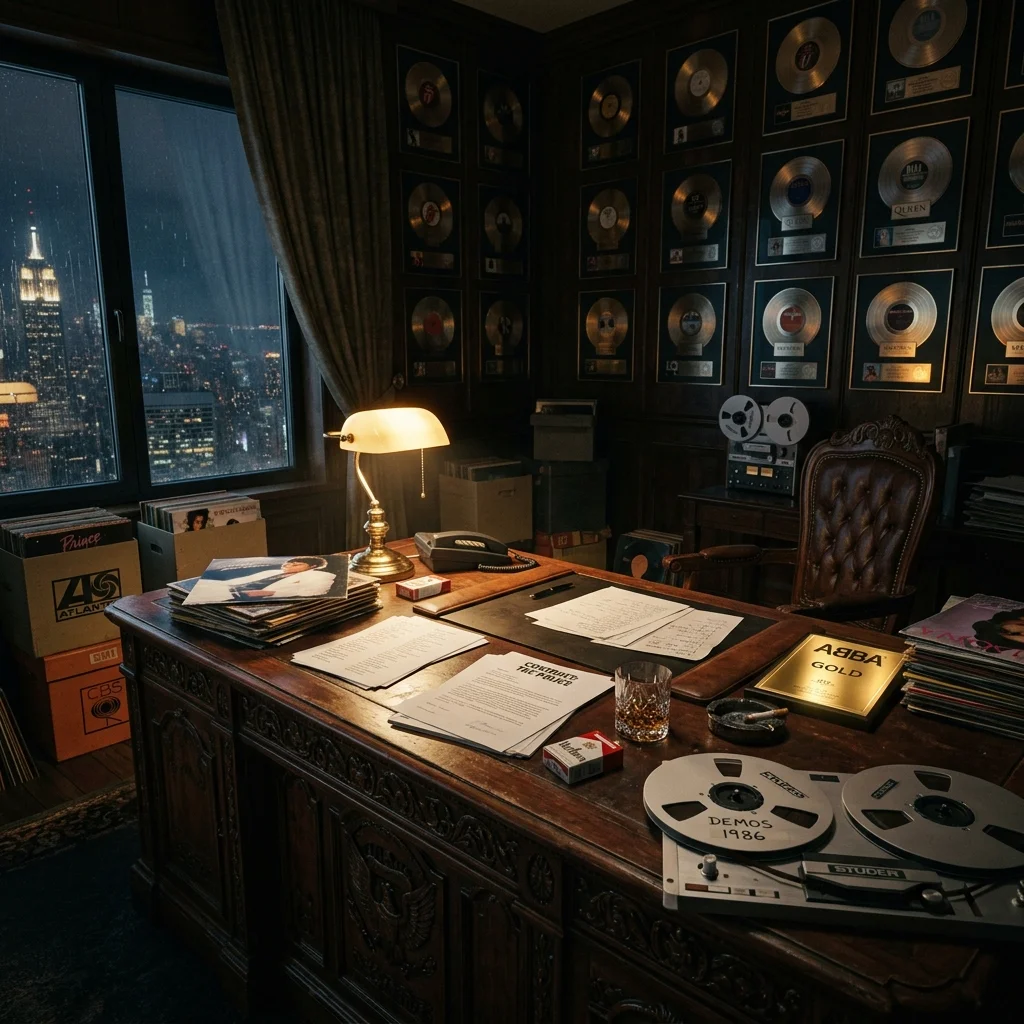
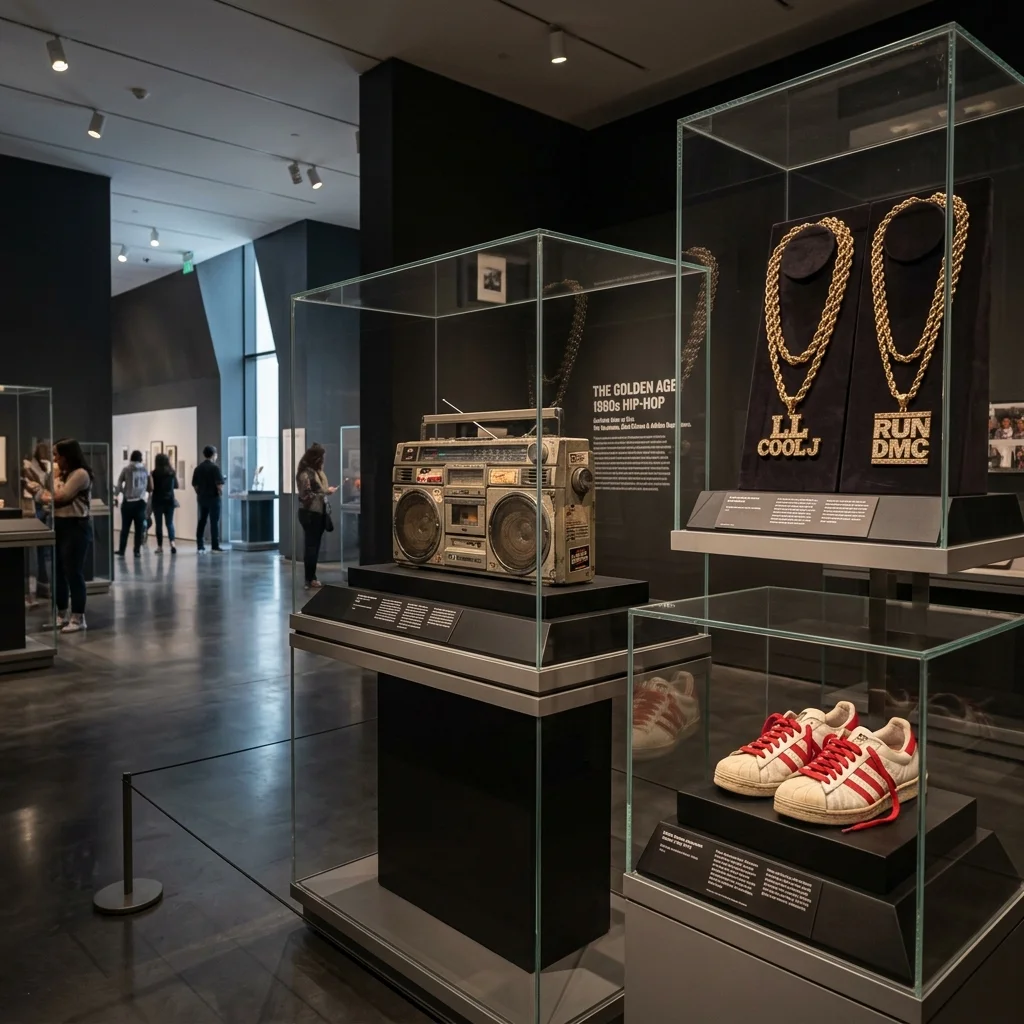
Recently, the platform debuted a breathtaking physical exhibition in New York City. The gallery featured over 50 estate-approved, highly curated artifacts from Biz Markie’s personal collection. Fans and historians could examine his rare custom boomboxes, his iconic, era-defining heavy gold chains, and ultra-rare photographs taken during the 1986 studio sessions for his debut EP, Make the Music With Your Mouth, Biz.
To coincide with the exhibition and the 40th anniversary of that debut EP, the estate released a highly limited-edition physical print collection titled SELECT CUTS. This approach treats hip-hop artifacts with the exact same reverence, scarcity, and high-end presentation usually reserved for fine art or high-fashion retrospectives. It elevates the cultural perception of the artist far beyond a streaming algorithm.
Comparing Hip-Hop Estate Management Models
To truly understand how revolutionary the Biz Markie blueprint is, we have to contrast it against the historical norms of the industry. The way an estate is managed directly dictates the long-term cultural relevance of the artist.
| Artist Estate | Revenue Model | Creative Control | Posthumous Strategy | Cultural Legacy Impact |
| :--- | :--- | :--- | :--- | :--- |
| Biz Markie | Publishing Admin & NIL Deal (Downtown) | Retained by Family (Tara Hall) | "Living Archive," museum exhibitions, curated physical artifacts. | Highly respectful, establishing him as a foundational historical figure in hip-hop. |
| Tupac Shakur | Massive early exploitation, stabilized later. | Initially contested, eventually secured by Afeni Shakur (now managed by a trust). | An overwhelming flood of posthumous albums (7+), documentaries, and apparel. | Kept his image ubiquitous globally, but deeply diluted his final creative vision. |
| XXXTentacion | Rapid commercialization of unfinished demos. | Managed by mother (Cleopatra Bernard). | Highly controversial releases of fragmented vocal snippets; NFTs. | Widely criticized by fans for prioritizing immediate profit over artistic integrity. |
| Juice WRLD | Strategic partnership with Grade A / Interscope. | Label heavily involved alongside family. | Carefully curated posthumous albums that respect his original emo-rap vision. | Successfully maintained his status as a defining voice for Gen Z without overt exploitation. |
As the data clearly illustrates, the Biz Markie model is entirely distinct. It relies on the inherent historical value of the artist rather than trying to manufacture "new" content from a deceased creator.
The Future of Hip-Hop Legacy and Digital Rights Management
The reality is that hip-hop is aging rapidly. The pioneers who painstakingly built the culture in the park jams of the 1980s and the global superstars who brought it to unprecedented mainstream dominance in the 1990s are reaching the later stages of their lives and careers. Consequently, the industry is currently standing on the precipice of a massive, unprecedented generational wealth transfer. This transfer involves highly lucrative master recordings, complex publishing rights, and invaluable cultural artifacts worth billions of dollars.
For decades, the major corporate record labels aggressively dictated the terms of these transfers. They held all the cards, effectively forcing grieving families and legally inexperienced heirs into highly unfavorable, deeply exploitative long-term deals. The historical precedent was incredibly grim, often resulting in families losing complete control over an artist's likeness within months of their passing.
But the game is fundamentally changing. The end of the 360 deal and the meteoric rise of independent distribution platforms have thoroughly educated a new generation of artists on the actual, long-term financial value of their catalogs. Furthermore, the complexities of modern digital rights management—including streaming royalties, algorithmic placements, and the ethical use of AI—require a much more sophisticated approach than a simple buyout.
Tara Hall's brilliant, meticulous stewardship of the Biz Markie estate is the ultimate manifestation of this new era of industry education.
She has definitively proven that a hip-hop estate does not have to sell out to survive. By stubbornly retaining ultimate ownership, strategically partnering for global administration, and treating the artist's physical history with profound, museum-level respect, the estate has guaranteed that Biz Markie will not just be remembered as the charismatic guy who sang "Just a Friend." He will be deeply studied, rigorously preserved, and globally celebrated as a fundamental architect of modern music culture for generations to come.
If other prominent estates are willing to follow this exact blueprint, the history and future of hip-hop will finally be controlled by the very people who actually built it.
---