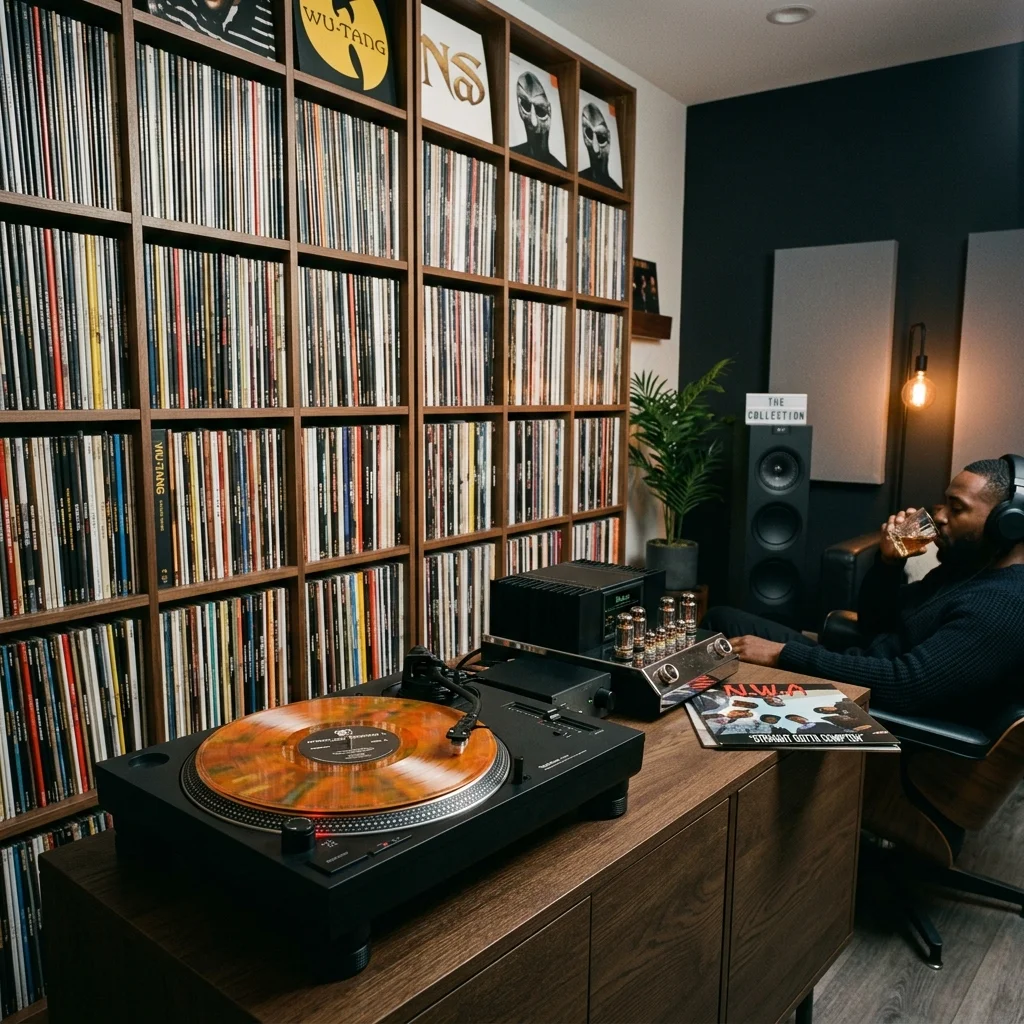
When I visited the executive offices of a major hip-hop independent label last month, the most prominent display in the lobby wasn’t a wall of platinum plaques or a digital ticker tracking Spotify streams. It was a massive, temperature-controlled glass vault housing hundreds of limited-edition colored vinyl pressings. The label head pointed to the vault and said, “Streaming pays the light bill, but those records built the house.”
The music industry in 2026 has fully accepted a harsh reality: you cannot build a sustainable, generational music business relying solely on the fractions of a penny generated by algorithmic streaming. Instead, the smartest executives and independent artists have pivoted their entire business model toward the “Superfan Economy”—a strategy where the primary goal is not just to acquire casual listeners, but to convert a small percentage of those listeners into high-spending, lifelong patrons.
At the absolute center of this economic shift is the resurgence of the physical vinyl record. No longer just a retro novelty, vinyl has become the ultimate high-margin status symbol. In the modern music industry, a vinyl record is not simply a medium for audio; it is a premium, collectible artifact that functions as the “Hermès bag” of music consumption.
The Economics of Streaming vs. Physical Media
To understand why artists are obsessing over vinyl manufacturing capacity, we have to look at the raw data. Streaming is excellent for global discovery, but it is a terrible mechanism for direct monetization.
When a casual fan listens to an artist’s new album on a DSP (Digital Service Provider) like Spotify or Apple Music, the artist earns roughly $0.003 to $0.005 per stream. If a fan streams an entire 10-track album, the artist makes about five cents. However, if that same fan purchases a limited-edition, heavy-weight color vinyl variant of the album directly from the artist’s webstore, they spend $40.
The 2026 Monetization Comparison
| Metric | Streaming (Spotify/Apple) | Direct-to-Consumer Vinyl (D2C) |
|---|---|---|
| Average Revenue Per User (ARPU) | $0.05 per album listen | $40.00 per unit |
| Artist Profit Margin | ~15% (After label/distro splits) | ~60% - 70% (After manufacturing) |
| Data Ownership | Controlled by the DSP (Spotify) | Controlled by the Artist (Emails, ZIP codes) |
| Engagement Type | Frictionless, passive, algorithmic | Intentional, active, tangible |
The math is undeniable. Selling 5,000 vinyl records at $40 each generates $200,000 in gross revenue. To generate that exact same $200,000 purely from streaming, an artist would need approximately 50 million streams. For an independent hip-hop artist, mobilizing 5,000 superfans is a significantly more achievable and sustainable goal than going globally viral on TikTok to chase 50 million streams.
The Identity of the Superfan
Why are Gen Z and Gen Alpha consumers—generations that grew up with the entire history of recorded music available for free on their phones—spending billions of dollars on a 100-year-old plastic format?
The answer lies in identity. In a digital world where access to music is infinite and frictionless, simply listening to an artist no longer signals that you are a “real” fan. Everyone has access to the same Spotify library. To truly signal your allegiance to an artist, you must acquire something scarce, physical, and expensive.
The Superfan Economy is defined by the consumer’s desire to purchase physical proximity and verifiable status within a fandom, rather than just the utility of listening to the music.
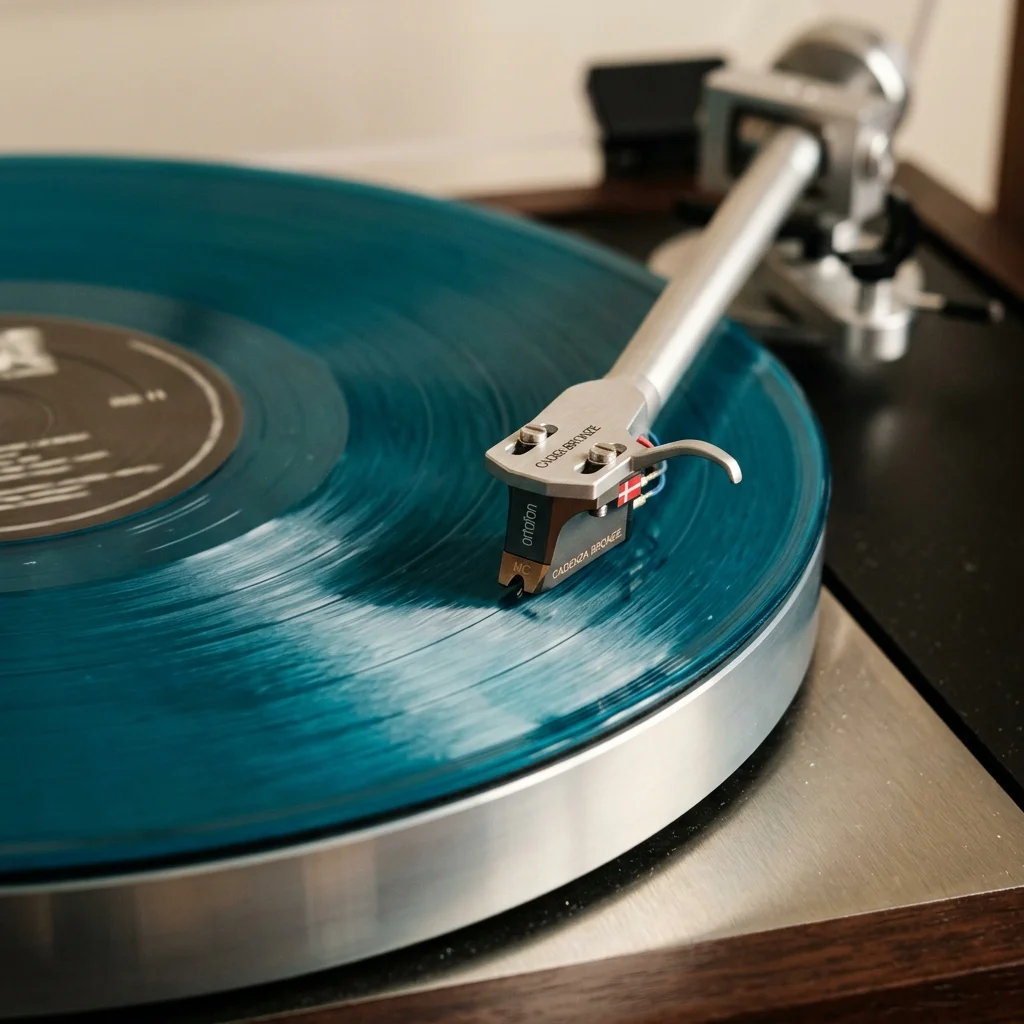
A vinyl record sitting on a shelf in the background of a TikTok video or an Instagram photo is a visual badge of honor. It proves to the viewer’s peers that they didn’t just casually discover the artist on a curated playlist; they invested their own money to own a piece of the artist’s legacy. This psychological shift has driven the vinyl market to consecutive years of record-breaking growth, even as CD and digital download sales have effectively flatlined to zero.
Hip-Hop’s Direct-to-Consumer Revolution
Historically, hip-hop lagged slightly behind genres like classic rock or indie folk in the vinyl resurgence. Hip-hop was the first genre to truly weaponize the internet, utilizing DatPiff, SoundCloud, and eventually DSPs to distribute music at lightning speed.
However, by 2026, the genre has fully embraced the physical format. As we noted in our analysis of how streaming changed hip-hop, the rapid, disposable nature of the streaming feed left artists feeling like their work lacked permanence. Vinyl solves that problem.
Major artists like Kendrick Lamar, Tyler, The Creator, and Travis Scott treat their vinyl rollouts with the same level of strategic planning as a sneaker drop. They understand that a 180-gram double-LP with gatefold artwork, lyric books, and exclusive colored wax is not competing with a Spotify subscription—it is competing with a $200 streetwear hoodie or a limited-edition art print.
Furthermore, independent artists are using platforms like Qrates and Bandcamp to crowdfund their vinyl pressings, entirely bypassing the major record labels and retaining 100% of the profits. This D2C (Direct-to-Consumer) pipeline allows artists to collect vital first-party data (email addresses, physical mailing addresses, purchasing habits), which they can then use to target their most lucrative fans for high-ticket concert VIP packages or exclusive merchandise.
The End of “Variant Fatigue”
The vinyl boom has not been without its growing pains. Between 2022 and 2024, the industry experienced a phenomenon known as “Variant Fatigue.” Major pop and hip-hop acts began releasing 10, 15, or even 20 different color variants of the exact same album simply to game the Billboard charts, knowing that superfans would compulsively buy every single color to complete their collection.
By 2026, the consumer base has largely rejected this predatory tactic. Fans have become highly educated on the manufacturing process and are no longer willing to spend $40 on a standard pressing that simply happens to be neon green.
Instead, the market has pivoted toward genuine premium curation. Consumers in 2026 demand “audiophile-grade” pressings, exclusive B-side tracks, elaborate physical packaging, and true scarcity. The artists succeeding in the current Superfan Economy are those who treat the physical product with absolute reverence, ensuring that the vinyl record provides an experience that cannot be replicated digitally.
The Tension: Accessibility vs. Elitism
While the pivot to high-margin physical goods is fantastic for an artist’s bottom line, it creates a palpable tension regarding accessibility. Hip-hop was born as a deeply democratic, accessible art form. When the primary revenue driver for an artist transitions from free streaming to $50 records, $150 hoodies, and $300 concert tickets, large segments of the working-class fanbase are inevitably priced out of the “superfan” tier.
Critics argue that the Superfan Economy artificially stratifies fanbases, creating a caste system where only the wealthy can afford to truly participate in an artist’s ecosystem. The challenge for artists in the late 2020s will be balancing this high-margin luxury strategy with grassroots community building, ensuring that their music does not become entirely gentrified.
Conclusion: The Permanent Artifact
The resurgence of vinyl in 2026 is not a nostalgic fad; it is a fundamental correction to the economics of the digital age. Streaming solved the problem of global distribution, but it destroyed the profit margin of recorded music. Vinyl brought the margin back.
As long as human beings desire physical objects to represent their emotional connection to art, the Superfan Economy will continue to thrive. The artists who recognize that they are not just selling audio files, but are instead selling identity, community, and permanence, will be the ones who build unshakeable empires in the coming decade.
FAQs
What is the “Superfan Economy”?
The Superfan Economy is a business model where an artist or brand focuses on highly monetizing a small, extremely dedicated segment of their audience (superfans) through premium merchandise, VIP experiences, and physical media, rather than relying solely on the low-margin volume of casual streaming listeners.
Why do fans buy vinyl if they already pay for Spotify?
Fans buy vinyl for the physical ownership, the large-format artwork, the intentional listening experience, and the ability to signal their identity and taste. It functions more like a piece of art or a collectible than a purely utilitarian method of hearing the music.
How much more does an artist make from vinyl compared to streaming?
While an artist might make $0.05 from a fan streaming their entire album once, they can make $20 to $30 in pure profit from selling that same fan a single $40 vinyl record directly through their webstore.
Are major labels still relevant if artists can sell directly to fans?
Yes, but their role is shifting. While independent artists can handle direct-to-consumer sales, major labels still provide the massive marketing capital required to elevate an artist to the global superstar level where selling tens of thousands of vinyl records becomes possible.
Keep Reading
If you want to understand how the business of hip-hop continues to evolve outside of the recording studio, read our comprehensive analysis of the Business of Hip-Hop Festivals in 2026 or explore how new hip-hop business empires are being built around tech and venture capital.