
The curtain was supposed to rise in Bangor, Maine, on June 30, 2026. Fans had lined up for hours, clutching vintage Cash Money Records merchandise, eagerly awaiting the kickoff of Lil Wayne’s highly publicized “20 Years of Carter Classics” tour. Instead, they were met with an empty stage and an abrupt cancellation.
In eras past, a canceled rap concert would be immediately written off as diva behavior, an arrest, or simply “rapper time.” But in early July 2026, Dwayne Michael Carter Jr. did something that signals a profound shift in the culture: he picked up his phone, looked directly into the camera, and posted a deeply vulnerable apology video to Instagram.
The explanation wasn’t a PR-scrubbed press release. Wayne frankly detailed his ongoing battle with epilepsy, explaining that he had been suffering from “bad-ass migraines”—a known precursor to his seizures—and that his medical team had explicitly grounded him, advising against air travel to prevent a potentially fatal episode.
This level of transparency from one of hip-hop’s most untouchable, larger-than-life figures is unprecedented. It forces us to confront an uncomfortable reality that the industry often tries to ignore: the grueling physical toll of legacy rap tours and the aging bodies of the genre’s foundational icons.
The Transparency Shift in Modern Hip-Hop
For decades, hip-hop was built on an illusion of invincibility. The genre’s biggest stars were positioned as superheroes, immune to the physical limitations that plague ordinary people. You didn’t hear about rappers taking sick days; you heard about them partying until 6 AM, recording until noon, and performing at 9 PM.
Lil Wayne’s direct, honest communication about his epilepsy and “bad-ass migraines” signals a crucial shift in how legacy rappers discuss their health, moving away from the invincible personas of the 2000s. By stripping away the mystique and speaking candidly about his neurological condition, Wayne is normalizing health struggles within a community that has historically stigmatized them.
This isn’t Wayne’s first public battle with epilepsy. He has been remarkably open about the condition since the early 2010s, following a series of highly publicized seizures that landed him in the ICU. However, the manner in which he addressed this recent incident—a direct-to-camera, unedited video from his living room—feels uniquely tailored to the 2026 media landscape, where authenticity is valued over polish.
Why Legacy Tours Are So Punishing
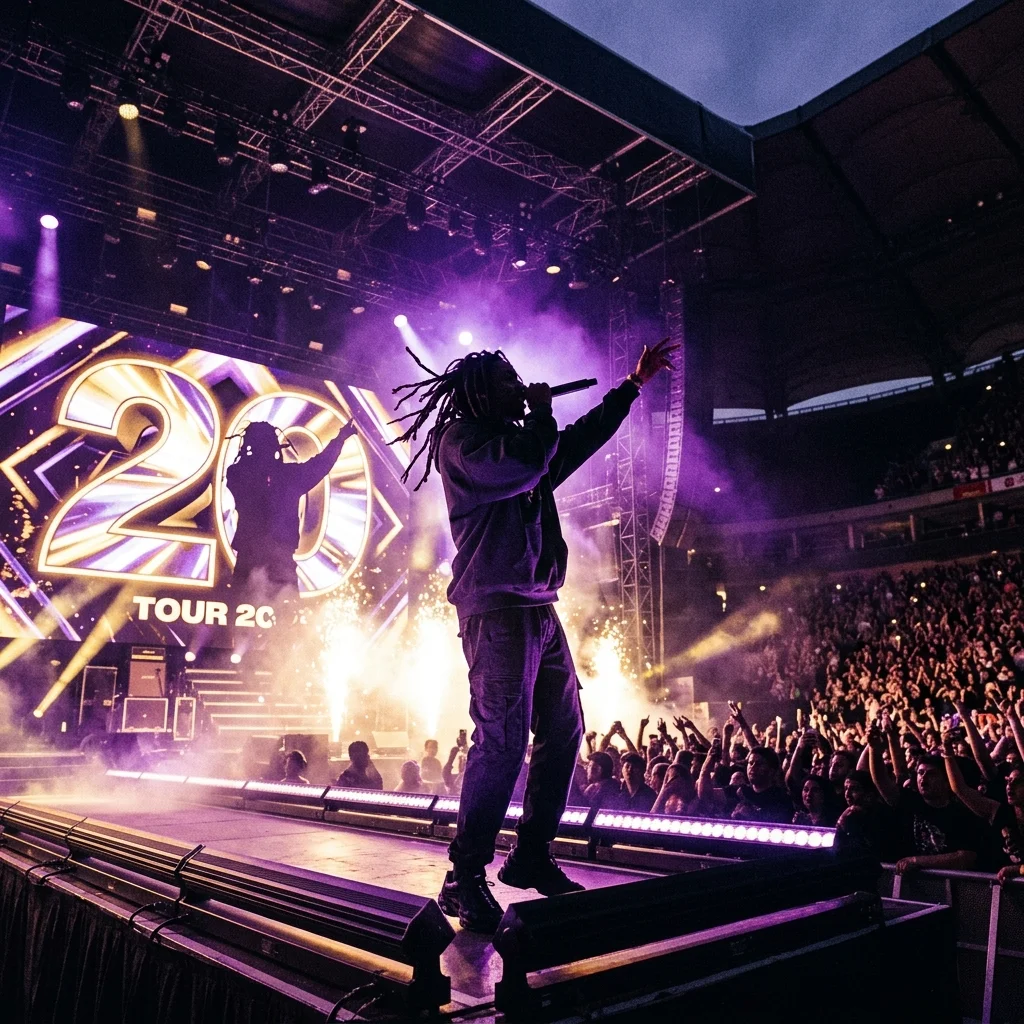
To understand why this cancellation occurred, we have to understand the sheer physical demand of the “20 Years of Carter Classics” tour. This isn’t a quick promotional run for a new album; it’s a massive, multi-city retrospective demanding a two-hour setlist of high-energy, breath-control-heavy performance.
The modern legacy tour is a marathon, requiring artists in their 40s and 50s to perform with the same explosive energy they possessed in their early 20s. For an artist like Wayne, whose catalog is built on relentless, rapid-fire flows and manic stage presence, the physical exertion is immense.
When you factor in the sleep deprivation, the constant air travel (which Wayne noted is a specific trigger for his condition due to pressure changes), and the pressure to deliver a flawless performance to fans who paid premium 2026 ticket prices, the environment is a perfect storm for a neurological episode.
| Tour Factor | Physical Impact on Artist | Specific Risk for Lil Wayne |
|---|---|---|
| Constant Air Travel | Jet lag, dehydration, disrupted circadian rhythms. | Cabin pressure changes and exhaustion are medically proven seizure triggers. |
| High-Energy Setlists | Cardiovascular strain, vocal cord fatigue, joint stress. | Dehydration and hyperventilation can lower the seizure threshold. |
| Irregular Sleep Cycles | Compromised immune system, chronic fatigue. | Sleep deprivation is the #1 trigger for adult-onset epileptic episodes. |
| Stage Production | Exposure to heavy strobes, lasers, and pyrotechnics. | Photosensitivity can trigger immediate epileptic responses in vulnerable individuals. |
Addressing the Rumors: A Masterclass in Media Savvy
While the core of the video was a serious health update, Wayne also took the opportunity to address the rampant tabloid speculation surrounding his personal life. Over the past few weeks, rumors had been swirling that the rapper was secretly engaged.
In classic Lil Wayne fashion, he used the exact same somber video to casually—almost dismissively—shut down the gossip. With a small smile, he confirmed that he is very much single and absolutely not engaged.
This pivot was a masterclass in veteran media savvy. By bundling the personal rumor debunking with a serious medical update, he forced the entertainment blogs to report on his health first and the gossip second. It effectively killed the tabloid narrative in a single, un-spinnable soundbite.
The Financial Realities of the Legacy Circuit
Why do artists like Lil Wayne, who have already cemented their legacy and amassed significant wealth, continue to subject themselves to these grueling tour schedules? The answer lies in the harsh economics of the 2026 music industry.
As we’ve discussed extensively in our analysis of streaming economics and record deals, recorded music is no longer the primary revenue driver for legacy artists. The fractions of a cent paid out by streaming platforms are not enough to sustain the sprawling empires, staffs, and lifestyles of rap royalty.
Touring remains the only reliable engine for massive capital generation in hip-hop, forcing older artists to stay on the road regardless of their physical condition. An anniversary tour like the “Carter Classics” can generate tens of millions of dollars in ticket sales and exclusive merchandise. For artists looking to build generational wealth, leaving that money on the table is rarely considered an option.
This creates a dangerous paradigm. The financial incentives push artists to ignore warning signs—like the severe migraines Wayne described—in order to keep the tour machine running. Wayne’s decision to actually listen to his doctors and cancel the Maine show, despite the inevitable financial hit and fan backlash, is commendable. It sets a precedent that an artist’s life is worth more than the box office gross.
The Future of the “Carter Classics” Tour
Fortunately for fans, the tour is not permanently derailed. The missed Bangor, Maine, concert has already been officially rescheduled for July 28, 2026, and all previously purchased tickets are being honored.
However, this incident should serve as a wake-up call for both the industry and the fans. We need to recalibrate our expectations for legacy acts. We cannot demand that artists in their mid-40s perform with the invulnerability of 21-year-olds, especially when dealing with chronic, life-threatening conditions like epilepsy.
If we want our legends to stick around, we have to afford them the grace to be human. We have to accept the delayed flights, the rescheduled dates, and the occasional cancellation.
Lil Wayne has given hip-hop two decades of classic material. He has literally bled for the culture. The least we can do is allow him to rest when his body demands it. As the tour resumes, the focus shouldn’t just be on the nostalgia of the setlist, but on celebrating the fact that one of the greatest rappers of all time is still here to perform it.
Frequently Asked Questions
Why did Lil Wayne cancel his concert in Maine?
Lil Wayne canceled his June 30, 2026, concert in Bangor, Maine, due to severe migraines, which are a known trigger for his epilepsy. His medical team advised him against flying to the venue to prevent a potential seizure.
Has the canceled Lil Wayne concert been rescheduled?
Yes. The missed Bangor, Maine, concert has been officially rescheduled for July 28, 2026. All tickets purchased for the original date will be honored at the door.
Is Lil Wayne engaged?
No. In the same video where he apologized for the missed concert, Lil Wayne directly addressed recent tabloid rumors, confirming that he is currently single and not engaged to be married.
Does Lil Wayne have a chronic illness?
Yes, Lil Wayne has been open about his battle with epilepsy for over a decade. Epilepsy is a neurological disorder characterized by recurrent, unprovoked seizures. He has previously been hospitalized multiple times due to severe epileptic episodes.
For more breaking news and deep-dives into the business of hip-hop, check out our recent analysis on the intersection of K-Pop and underground hip-hop aesthetics in 2026.