September 4, 2026, marks exactly two decades since Beyoncé released her sophomore solo album, B’Day. Arriving precisely on her 25th birthday, the project was originally viewed as a rapid-fire follow-up to her inescapable 2003 solo debut, Dangerously in Love. It was recorded in secret, completed in just two weeks, and driven by an urgency that was entirely unprecedented for a pop star of her magnitude.
However, viewing B’Day merely as a successful sophomore album is a historical miscalculation. As we look back from the vantage point of 2026—an era defined by vertical integration and visual masterpieces—it becomes overwhelmingly clear that B’Day was the fundamental blueprint that transformed Beyoncé from a post-Destiny’s Child pop star into an untouchable industry architect.
With the upcoming 20th Anniversary Edition and the release of the archival single “Morning Dew (Donk)” reigniting the cultural conversation, we must examine exactly how B’Day reshaped the structural DNA of the modern music business.
The 2006 Sonic Landscape: Synthesizers vs. Suga Mama
To understand the sheer defiance of B’Day, you must understand the sonic landscape of 2006. The music industry was entirely captivated by ringtone rap and aggressively synthesized pop production. Major record labels were chasing cheap, digital plasticity designed to sound good compressed on a flip-phone speaker.
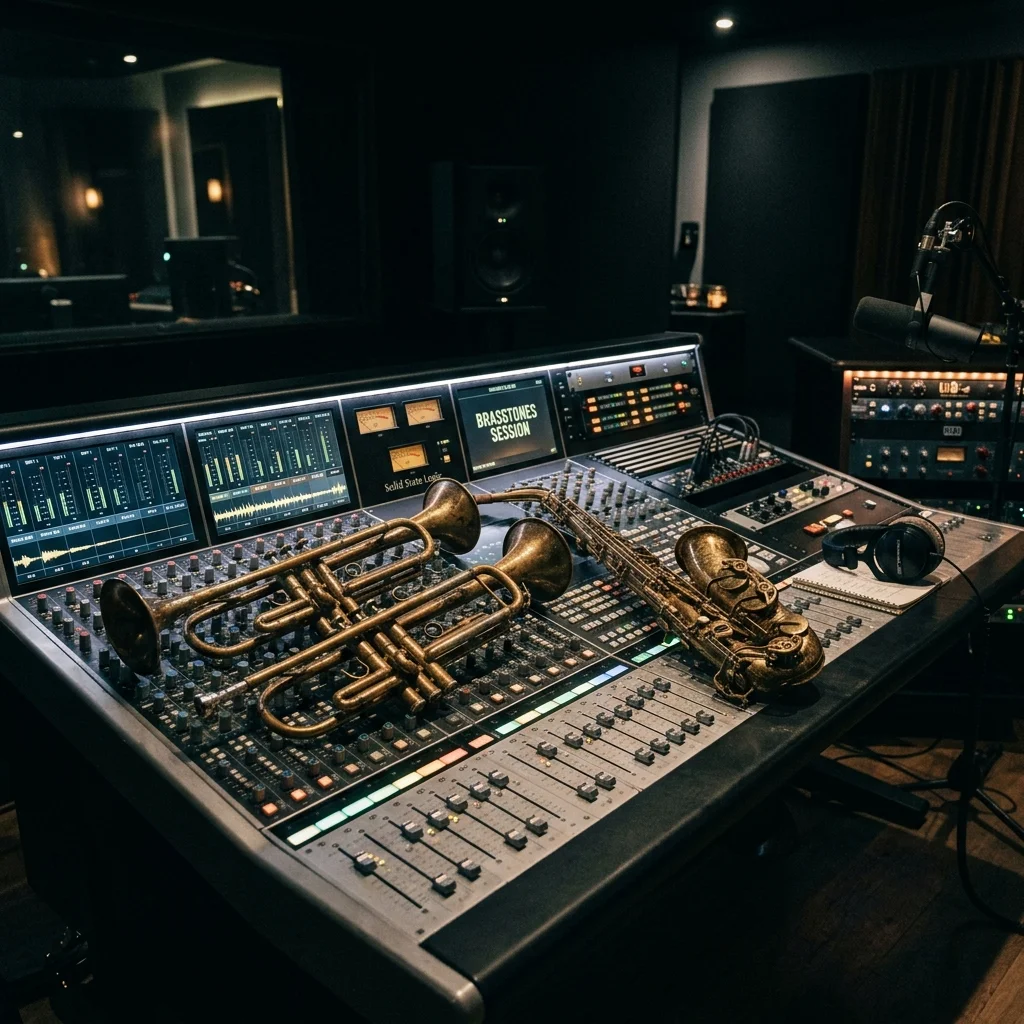
Instead of chasing the synthetic trend, Beyoncé did the exact opposite. She hired an all-female live band, famously known as “Suga Mama,” and injected the album with an aggressive, unrelenting wall of live funk, soul, and brass instrumentation.
Tracks like “Déjà Vu,” “Ring the Alarm,” and “Green Light” were not quiet R&B slow jams; they were bombastic, horn-heavy onslaughts. The decision to ground the album in live instrumentation—specifically heavy basslines and a prominent brass section—gave B’Day a raw, kinetic energy that felt dangerous compared to the sanitized pop of its contemporaries.
B’Day 2006 vs. The Modern Era
| Element | The 2006 Standard | The B’Day Approach | 2026 Legacy |
|---|---|---|---|
| Production | Digital synthesizers & drum machines | Live 10-piece funk band (Suga Mama) | Sparked a demand for live instrumentation in mainstream pop |
| Release Strategy | 12-month traditional rollout | Recorded in 2 weeks, kept entirely secret | The direct predecessor to her 2013 surprise drop |
| Visual Media | 3-4 standard music videos | The B’Day Anthology Video Album (13 videos) | The blueprint for Lemonade and the modern visual album |
This was not just an aesthetic choice; it was a power move. By utilizing live bands instead of relying purely on type beats and digital producers, Beyoncé forced the industry to elevate its sonic standard, proving that organic musicality could still dominate the Billboard charts.
The Invention of the Visual Album
Perhaps the most significant, yet frequently under-discussed, legacy of B’Day is its role as the true origin point of the visual album.
In 2013, Beyoncé shocked the world by dropping a surprise self-titled album accompanied by a music video for every track. In 2016, she elevated the medium to high art with Lemonade. But neither of those industry-shaking moments would have been possible without the B’Day Anthology Video Album, released in April 2007.
Beyoncé famously shot 13 music videos in a span of just a few weeks to accompany the deluxe edition of the album. Before YouTube was a dominant economic force and before streaming platforms existed, the concept of producing a distinct, high-budget visual for every single track on an album was considered financial suicide by major labels. It was an enormous logistical and financial risk.
Yet, this relentless drive to pair every sonic moment with a distinct visual identity became the cornerstone of her entire career. The Anthology trained her audience to consume her music visually as much as sonically. It proved that an album did not have to be just an audio file; it could be a complete, multimedia cinematic experience. Today, as artists struggle against the death of the album concept, the visual world-building pioneered by B’Day remains the gold standard for album cohesion.
“Irreplaceable” and the Pop Crossover
While tracks like “Freakum Dress” and “Get Me Bodied” became foundational pillars of club culture and HBCU marching bands, it was “Irreplaceable” that secured the album’s commercial dominance.
Written with Ne-Yo and Stargate, “Irreplaceable” spent 10 consecutive weeks at number one on the Billboard Hot 100. More importantly, it successfully bridged the gap between R&B, pop, and acoustic singer-songwriter aesthetics. The acoustic guitar loop paired with the Roland TR-808 drum machine created a track that could be played on urban radio, pop radio, and adult contemporary stations simultaneously.
This cross-genre dominance was critical. It proved that Beyoncé did not have to compromise her R&B roots to achieve global, four-quadrant pop supremacy. She could dictate the terms of her crossover.
The Counterpoint: Was It Too Rushed?
Despite its massive legacy, B’Day is not without its historical critics. The album’s creation was famously frantic. Beyoncé began recording immediately after wrapping her role in the film Dreamgirls, utilizing multiple studios simultaneously to finish the project in just 14 days.
Some critics at the time argued that this compressed timeline resulted in an album that felt chaotic and overly aggressive. The vocal performances on tracks like “Ring the Alarm” push into genuine shouting, a stark departure from the smooth, controlled melismas of Dangerously in Love.
However, time has proven these critics wrong. The “chaos” they perceived in 2006 is now recognized as raw, unfiltered urgency. The slight imperfections and the aggressive vocal delivery are exactly what give B’Day its enduring vitality. In an era where modern pop is often sterilized by endless digital tuning and remote collaborations, the frenetic, in-the-room energy of B’Day feels incredibly alive.
Conclusion: A 20-Year Vanguard
As we approach the release of the B’Day 20 anniversary edition in September 2026, the album’s influence is more visible than ever.
B’Day was the moment Beyoncé stopped playing the industry’s game and started writing her own rulebook. It was the album that introduced the concept of the secret recording process, the visual anthology, and the uncompromising integration of live funk into digital pop.
When you look at the modern landscape of the music business—where visual cohesion is demanded, where surprise drops are the ultimate flex, and where artists strive for complete creative autonomy—you are looking at the house that B’Day built. Twenty years later, the blueprint remains flawless.
FAQs
When was Beyoncé’s B’Day album originally released?
The album was originally released on September 4, 2006, coinciding with Beyoncé’s 25th birthday.
What is the B’Day Anthology Video Album?
Released in 2007, it was a pioneering visual project where Beyoncé shot and released 13 distinct music videos to accompany the tracks on the deluxe edition of B’Day, laying the groundwork for her future visual albums like Lemonade.
Why is the B’Day album significant to Beyoncé’s career?
B’Day marked her transition into an industry architect. It featured the prominent use of an all-female live band (Suga Mama) which defined its raw, funk-driven sound, and its secret recording process and visual anthology set the blueprint for her future surprise releases.
Will there be a 20th Anniversary Edition of B’Day?
Yes, Beyoncé officially announced a 20th Anniversary Edition scheduled for release on September 4, 2026, which was preceded by the release of the archival track “Morning Dew (Donk)”.
Keep Reading
To understand the current moves of the Carter empire, read our breakdown of Beyoncé and Jay-Z’s 2026 Vertical Integration strategy. For more on how the visual identity of music is shifting, explore our analysis on how anime has replaced the Scarface aesthetic in hip-hop.