The 2026 World Cup final wasn’t just a soccer match; it was the most heavily corporatized hip-hop concert in human history. While casual fans celebrated seeing artists like Future and 21 Savage occupying a global stage, the reality in the boardroom was much more calculated. FIFA wasn’t just updating its playlist—they were quietly leveraging Atlanta’s cultural equity to execute a billion-dollar rebrand of a tournament desperately seeking youth engagement.
For decades, the World Cup was synonymous with uplifting, albeit slightly cheesy, global pop anthems. Think Ricky Martin’s “La Copa de la Vida” or Shakira’s “Waka Waka.” But as the 2026 tournament descended upon North America, FIFA executives realized that glossy pop no longer moves the needle for the under-30 demographic. The new global pop is hip-hop, and FIFA needed to buy in.
The Death of the Traditional Anthem
When FIFA tapped Future and Tyla to perform the official 2026 anthem, “Game Time,” at the Los Angeles opening ceremony, it marked a definitive shift in strategy.
This was no longer about unity; it was about virality. The track, produced by pop-rap heavyweight Cirkut, was meticulously engineered not for stadium singalongs, but for 15-second TikTok highlights. FIFA understood that modern sports engagement doesn’t happen solely on television broadcasts—it happens in the modular, reaction-ready clips shared across social media.
By employing a trap-heavy, aggressive sonic identity, FIFA tapped into the inherent adrenaline of hip-hop to soundtrack highlight reels. They weren’t just hiring musicians; they were purchasing the cultural credibility that the sport of soccer lacks in certain massive North American markets.
Case Study: Coca-Cola’s Pivot
To understand the financial implications of this, you only need to look at the tournament’s primary sponsors. Coca-Cola, a legacy FIFA partner, completely overhauled their marketing strategy for 2026. Instead of shooting traditional commercials featuring smiling families drinking soda in a stadium, they redirected $50 million of their ad spend directly into hip-hop activations.
They partnered with leading Atlanta producers to create exclusive beats for their digital campaigns. They hosted pop-up “beat battles” outside the stadiums instead of face-painting booths. Coca-Cola recognized that if FIFA was using hip-hop to rebrand the tournament, the sponsors had to follow suit or risk looking obsolete. This singular corporate decision funneled more money into the hip-hop production ecosystem in one summer than most major labels spend in a year.
The Super Bowl-ification Strategy
The most glaring evidence of this shift was the introduction of the “Super Bowl-style” halftime show for the 2026 final.
Historically, soccer abhors halftime entertainment. The 15-minute break is for tactical adjustments and rapid beer sales, not elaborate stage builds. But the Americanization of the tournament meant adopting the American monetization model.
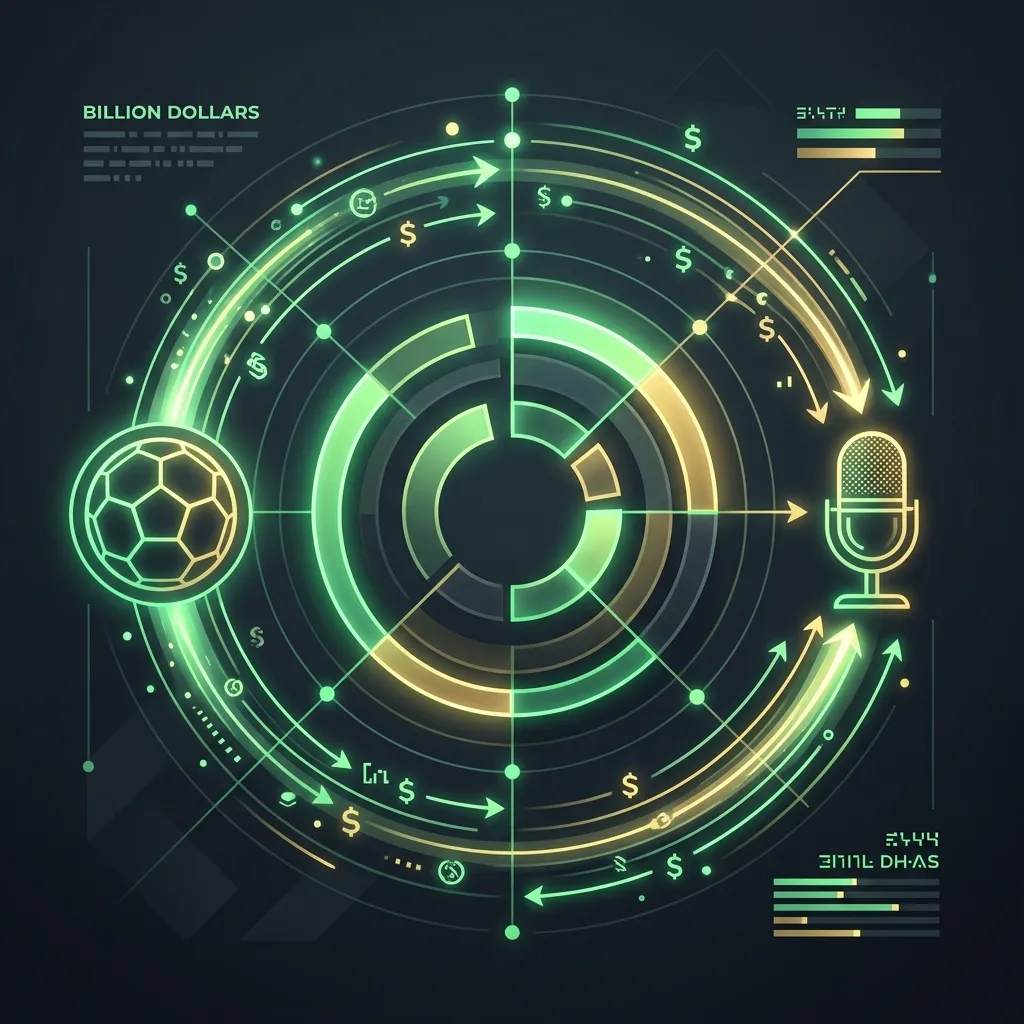 The flow of capital: How FIFA redirected its marketing budget from traditional broadcast into hip-hop cultural alignment.
By turning the halftime show into a hip-hop spectacle featuring artists who routinely sell out arenas on their own, FIFA accomplished two things:
- They guaranteed an entirely new viewer demographic that tuned in exclusively for the music.
- They created a secondary marketplace for luxury sponsorships and VIP corporate entertainment.
The Economics of the Spectacle
To understand just how massive this pivot is, we have to look at the financial scale of FIFA’s entertainment investment compared to a traditional A-list hip-hop stadium tour.
| Metric | Traditional Hip-Hop Stadium Tour | FIFA 2026 Entertainment Budget |
|---|---|---|
| Primary Revenue Driver | Ticket Sales & Merchandise | Global Broadcast Rights & Sponsorships |
| Artist Compensation | 85% of Gross Box Office | Massive Flat Guarantee + Global Licensing |
| Stage Production Cost | $2M - $5M per city | $15M+ (Subsidized by global sponsors) |
| Target Audience | Core Fanbase (Regional) | Unprecedented Global Crossover |
| Cultural Objective | Album Promotion / Legacy | Rebranding a $7 Billion Sporting Event |
When an artist like Future performs for FIFA, he is trading his core cultural authenticity for an unparalleled check and global broadcast reach. Conversely, FIFA is trading tens of millions of dollars to borrow his coolness. It is a transactional marriage of convenience.
The Gentrification of the Pitch
This strategy has not been without intense criticism. Soccer, at its core, is a working-class sport. Hip-hop, at its roots, is a working-class genre. Yet, the intersection of the two at the 2026 World Cup felt aggressively gentrified.
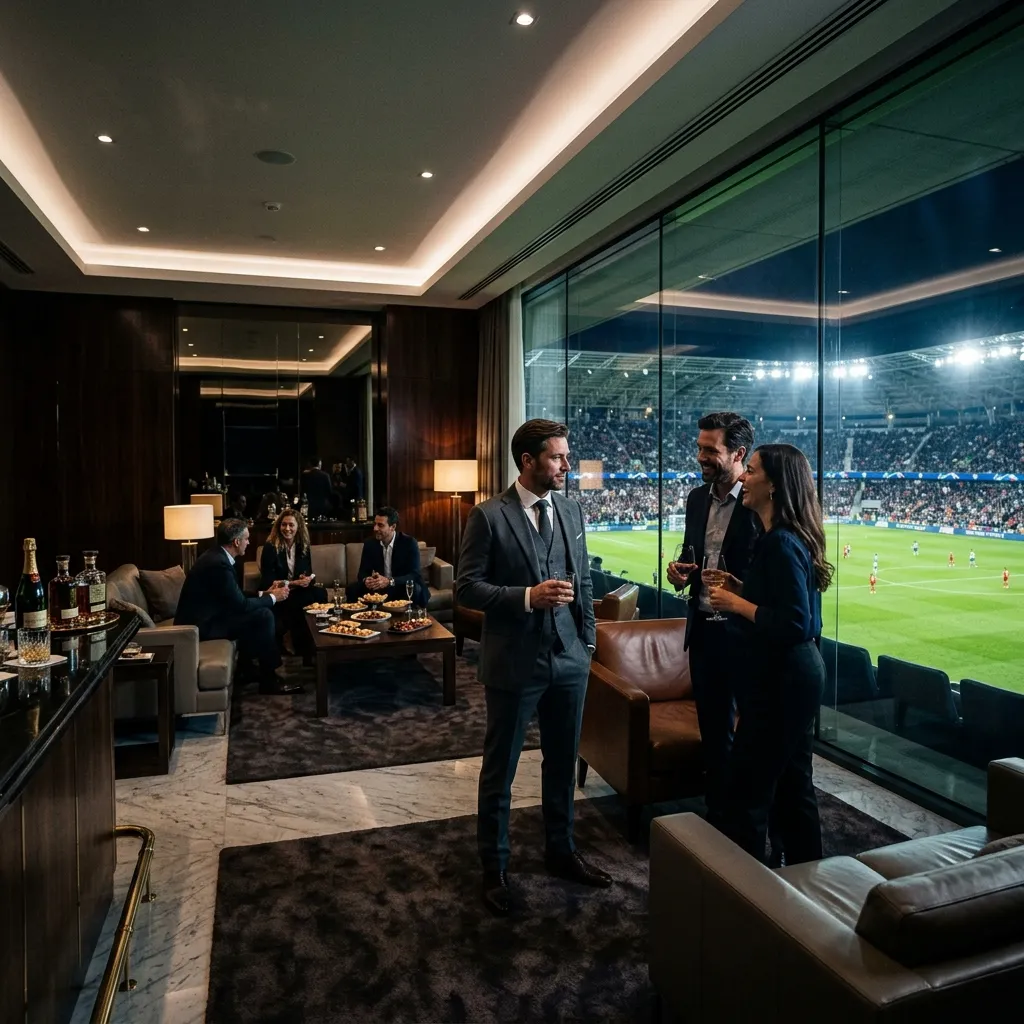
When you have 21 Savage performing in a stadium where the cheapest tickets cost $800 and the VIP suites are filled with tech CEOs who don’t know the offside rule, the authenticity of the culture is hollowed out. The gritty, authentic energy of hip-hop is sanitized, packaged, and sold to Fortune 500 companies as “edgy” entertainment.
The Backlash from the Underground
The gentrification didn’t go unnoticed by the hip-hop underground. Several prominent independent artists publicly criticized the artists participating in the FIFA events. They argued that by aligning so closely with a massive, hyper-commercial entity like FIFA—an organization with its own complex history of controversies—hip-hop artists were acting as corporate mascots rather than cultural ambassadors.
This created a massive divide in the industry during the summer of 2026. On one side, you had the major label superstars cashing unprecedented checks and enjoying global visibility. On the other side, you had purists arguing that the genre was being stripped of its political and social power, reduced to background noise for billionaires watching a soccer match.
The Future of Sports Entertainment
The 2026 World Cup proved that hip-hop is no longer a subculture that sports leagues try to incorporate on the margins. It is the primary vehicle for mass-market sports branding.
Whether this is a victory for the genre—finally occupying the absolute highest echelons of global entertainment—or a warning sign of terminal corporate sellout, remains fiercely debated. But one thing is certain: FIFA didn’t elevate hip-hop. Hip-hop elevated FIFA. And the blueprint they established in 2026 will dictate how every major global sporting event operates for the next two decades.
The Endorsement Economy: How Players Benefited
While the narrative often focuses on the corporations and the musicians, the actual athletes on the pitch were entirely complicit in—and beneficiaries of—this cultural shift. In previous decades, a star soccer player would sign a traditional endorsement deal with a boot manufacturer and perhaps a luxury watch brand. By 2026, the blueprint had changed.
Star players were no longer just looking for athletic endorsements; they were looking for cultural crossover. When a top-tier French or Brazilian player landed in North America for the tournament, their management teams actively sought out studio sessions and photo ops with the very same Atlanta hip-hop artists that FIFA had hired. The players understood that being co-signed by Future or 21 Savage carried significantly more weight with the under-20 demographic than being co-signed by a retired soccer legend.
This led to a fascinating micro-economy where athletes and rappers traded cultural equity. The rappers wore exclusive, unreleased national team jerseys in their music videos, instantly driving up the hype and resale value of the merchandise. In return, the players utilized the rappers’ unreleased tracks for their personal pre-game TikTok and Instagram Reels, driving massive, unpaid viral marketing for the music.
The Ripple Effect on Merchandising
This symbiotic relationship entirely disrupted the traditional sports merchandising model. FIFA and the apparel sponsors (Nike, Adidas) quickly realized that the traditional fan—the one who buys a standard replica jersey—was no longer the primary driver of revenue.
The real money was in limited-edition, streetwear-adjacent drops. Taking cues directly from the hip-hop merchandising playbook pioneered by artists like Travis Scott, FIFA began releasing “capsule collections.” These weren’t standard soccer kits; they were heavy-weight cotton hoodies, distressed vintage tees, and luxury tracksuits designed in collaboration with streetwear brands adjacent to the hip-hop space.
By utilizing the scarcity model—releasing only 500 units of a specific collaboration jersey in a pop-up shop outside the stadium—FIFA manufactured hype. The intersection of hip-hop and soccer had successfully transformed a $90 replica jersey into a $400 highly sought-after streetwear grail. This merchandising pivot alone justified the massive expenditure on hip-hop entertainment; FIFA wasn’t just selling soccer to soccer fans anymore. They were selling hype to hypebeasts.
Frequently Asked Questions
Who performed the official 2026 World Cup Anthem?
The official 2026 FIFA World Cup anthem, titled “Game Time,” was performed by Future and Tyla, and debuted at the opening ceremony in Los Angeles.
Did the 2026 World Cup have a halftime show?
Yes, for the first time in the tournament’s history, the 2026 World Cup Final featured an American-style “Super Bowl” halftime show heavily featuring hip-hop and global pop artists.
Why is FIFA using hip-hop for the World Cup?
FIFA heavily integrated hip-hop into the 2026 North America tournament to capture the lucrative under-30 demographic, drive social media engagement (particularly on TikTok), and modernize the brand’s global identity.
How much did FIFA spend on entertainment in 2026?
While exact figures are closely guarded, industry analysts estimate FIFA’s total entertainment and music budget for 2026 exceeded $150 million, far outpacing any previous World Cup tournament.
Did hip-hop artists face backlash for performing at the World Cup?
Yes, many independent artists and cultural purists criticized the performers, arguing that performing for hyper-expensive, corporate VIP crowds contributed to the gentrification of hip-hop culture.