The True Sound of the Streets
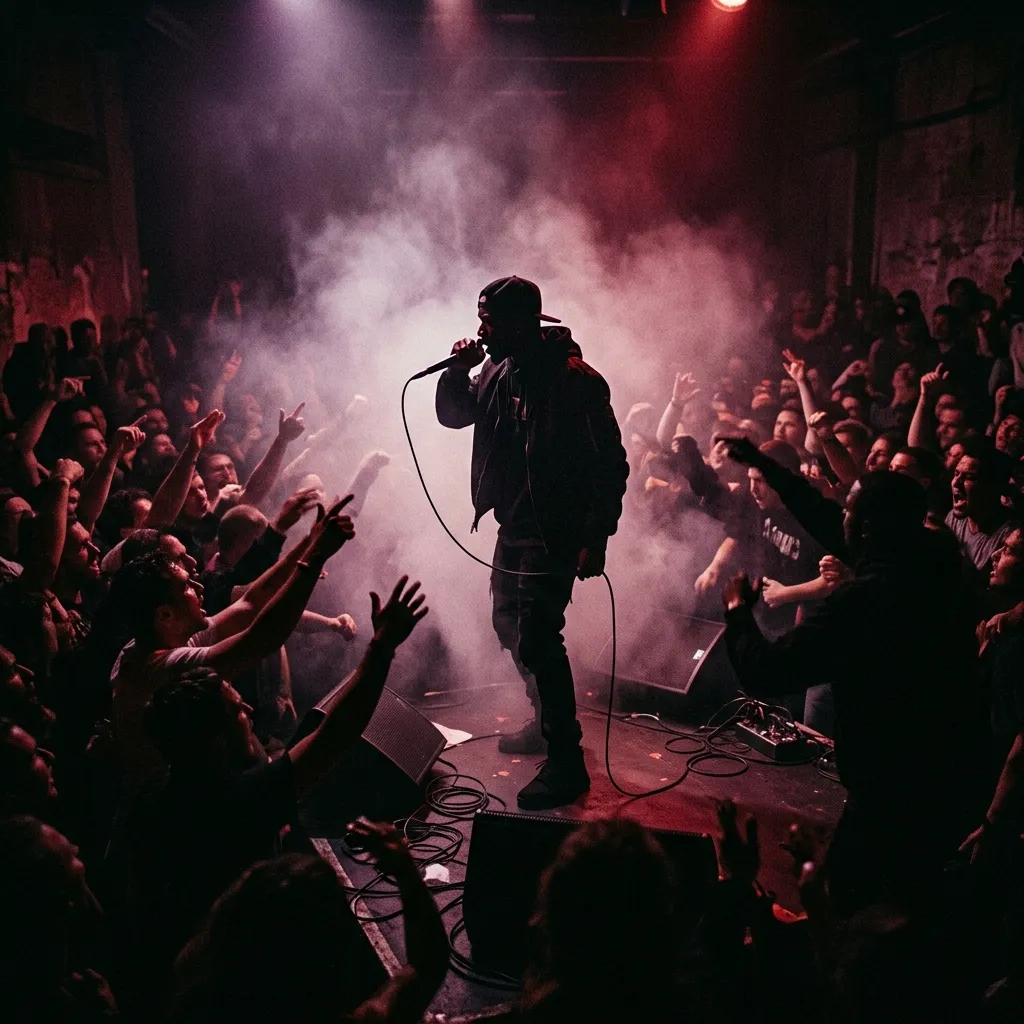
When our editorial team was covering a hyper-localized, 200-capacity warehouse show in South London last month, the raw energy in the room was palpable. There were no major label A&Rs present, no corporate sponsorships, and no massive marketing budgets. Yet, when an emerging artist named fakemink took the stage, the entire room screamed every lyric. It was a stark reminder that while mainstream hip-hop dominates the Billboard charts, the actual innovation—the sounds that will define the genre five years from now—is happening entirely offline and in the underground.
In 2026, the definition of “underground” has shifted. It no longer exclusively means boom-bap beats and lyrical miracles rapping out of backpacks. Today’s underground is a chaotic, beautiful collision of “post-rage” synthesizer beats, Afrobeat-infused UK drill, and hyper-regional American sounds spreading via TikTok and Discord servers. The underground hip-hop scene is defined by independent artists operating outside the major label system, prioritizing experimental production and highly engaged, niche fanbases over mass commercial appeal.
If you are tired of algorithmic, heavily focus-grouped radio rap, you need to recalibrate your playlists. This guide breaks down the 10 most exciting underground rappers making waves in 2026, complete with a stylistic breakdown to help you find your new favorite artist.
Why the Underground Matters More Than Ever
The mainstream music industry is inherently risk-averse. Major labels wait for an independent artist to prove a new sound works before they attempt to mass-produce it. If you want to hear the future of music, you have to look past the top 50 charts.
The Sonic Shift: 2024 vs. 2026 Underground
To understand the artists on this list, you must understand how the underground landscape has evolved over the past two years:
| Element | 2024 Underground Trend | 2026 Underground Reality |
|---|---|---|
| Primary Sound | Aggressive “Rage” beats (Playboi Carti influence) | “Post-Rage” and ambient, textured trap |
| Lyrical Focus | Melodic mumble, heavy vocal effects | Return to sharp storytelling mixed with melody |
| Global Influence | US-centric (Atlanta, Chicago) | Massive UK and Afrobeat cross-pollination |
| Distribution | SoundCloud dominance | Discord communities and localized viral moments |
| Aesthetic | Cyberpunk and Y2K nostalgia | Gritty realism, Lo-Fi visuals, anti-aesthetic |
The aggressive, synthetic sounds of the early 2020s have matured into a more nuanced, textured soundscape where lyrical ability is once again highly valued alongside unique vocal cadences.
The 10 Underground Rappers to Watch in 2026
Here is the definitive list of the independent artists currently rewiring the hip-hop matrix. Do not sleep on these names before they inevitably sign major deals.
1. EsDeeKid
Location: Unknown / Internet The Sound: EsDeeKid is currently the reigning champion of the digital underground. His sound is difficult to pin down, blending ethereal, ambient production with incredibly sharp, almost conversational flows. He completely rejects traditional song structures; his tracks often feature no choruses, functioning more like two-minute stream-of-consciousness diary entries over incredibly complex beats. Why You Need to Listen: He represents the apex of the “anti-hook” movement. If you appreciate raw lyricism delivered with a completely modern, syncopated flow, EsDeeKid is mandatory listening.
2. fakemink
Location: London, UK The Sound: fakemink operates at the bleeding edge of the UK scene. He is a dual-threat: an incredible producer and a charismatic vocalist. His beats heavily sample obscure 90s R&B tracks, which he speeds up and layers with heavy, distorted drill 808s. Vocally, he seamlessly switches between traditional grime flows and melodic, auto-tuned crooning. Why You Need to Listen: He bridges the gap between London road rap and American melodic trap better than anyone currently operating in the independent space.
3. bleood
Location: Atlanta, Georgia The Sound: Atlanta has always dictated the pace of hip-hop, and bleood is its newest architect. Following his breakout project PROTAGONIST, he has become the poster child for the “post-rage” movement. Instead of chaotic, blown-out synthesizers, his production choices are atmospheric, brooding, and deeply cinematic, paired with a laid-back, whisper-rap delivery. Why You Need to Listen: If you loved the early underground work of artists like Destroy Lonely or Ken Carson but want something with a darker, more cinematic atmosphere, bleood is your next obsession.
4. Chris Patrick
Location: East Orange, New Jersey The Sound: Chris Patrick is the lyricist’s lyricist. In an era dominated by vibe and melody, Patrick brings absolute, undeniable bars. He has garnered massive co-signs from legends like Black Thought and JID because his pen game is lethal. His sound is rooted in traditional East Coast boom-bap but modernized with lush, soulful instrumentation. Why You Need to Listen: He proves that “conscious rap” does not have to be boring. His flows are incredibly dynamic, and his storytelling is vivid and deeply relatable.
5. N4T
Location: Manchester, UK The Sound: N4T is pioneering a completely new hybrid sound by aggressively blending Afrobeat rhythms with the gritty, aggressive textures of Northern UK rap. His tracks are high-BPM, incredibly danceable, but feature dark, menacing lyrical content that reflects the harsh realities of his environment. Why You Need to Listen: It is the perfect gym or club music for those who still want to hear complex, multi-syllabic rhyming.
6. BabyChiefDoit
Location: Chicago, Illinois The Sound: Chicago drill has evolved drastically since 2012, and BabyChiefDoit represents its most frantic, high-energy iteration yet. His vocal delivery is practically shouted, breathless, and relentless, riding over fast-paced, piano-heavy production. There is zero pretense in his music; it is raw, unadulterated street rap. Why You Need to Listen: He possesses a magnetic, aggressive charisma that cannot be taught. When you need high-octane energy, play his catalog.
7. Ovrkast.
Location: Oakland, California The Sound: Ovrkast. is a true student of the game. Heavily influenced by Earl Sweatshirt and the lo-fi movement, his music sounds like it was recorded on a dusty cassette tape in 1996. He produces most of his own beats, which rely on obscure soul chops and off-kilter, unquantized drum loops. Why You Need to Listen: It is thinking-man’s hip-hop. His deadpan delivery forces you to lean in and truly listen to the density of his wordplay.
8. BunnaB
Location: Houston, Texas The Sound: BunnaB is updating the legendary Houston sound for Gen Z. He takes the classic chopped-and-screwed ethos—slow tempos, heavy bass, psychedelic atmospheres—and infuses it with modern trap hi-hats and deeply melodic, auto-tuned hooks. Why You Need to Listen: It is the perfect late-night driving music. He honors his city’s rich history while pushing it forcefully into the future.
9. Armando Spence
Location: North London, UK The Sound: Spence is an anomaly in the UK scene. While his peers focus heavily on drill, Spence makes music that feels heavily influenced by 2000s American R&B and Southern hip-hop. His tracks are smooth, highly melodic, and focus on relationships, luxury, and ambition rather than typical street narratives. Why You Need to Listen: He offers a highly polished, commercially viable sound that still maintains the authenticity of an independent grind.
10. PLUTO
Location: Detroit, Michigan The Sound: The Detroit scam-rap scene has been thriving for years, characterized by fast, off-beat flows and incredibly disrespectful punchlines. PLUTO takes this localized sound and makes it accessible, utilizing slightly slower, more traditional trap beats while maintaining the hilarious, hyper-specific lyricism his city is known for. Why You Need to Listen: He is genuinely funny and highly charismatic, proving that hip-hop doesn’t always have to take itself so seriously to be incredibly skilled.
Best Practices for Discovering New Artists
You cannot rely on Spotify’s “Discover Weekly” to find truly underground artists; the algorithm is designed to feed you what is already popular. If you want to be early to the next wave, you have to do the work.
Dive into Discord and Reddit
The true A&Rs of 2026 are teenagers moderating Discord servers and subreddits. Find communities dedicated to your favorite niche subgenres (like r/trap or specific artist Discords). Artists constantly leak their own unreleased music or test new sounds in these private channels months before they hit streaming services.
Follow the Producers
If you find an underground rapper you love, immediately look at the track credits and find out who produced the beat. Producers are the connective tissue of the underground; if a producer works with one great unknown artist, they are likely sending beats to five other great unknown artists. Follow the producers on Instagram or SoundCloud, and you will find an endless web of new vocalists.
Utilize SoundCloud and Bandcamp
While major artists prioritize Spotify and Apple Music, the underground still thrives on SoundCloud and Bandcamp. These platforms allow artists to upload raw, uncleared samples and unmastered tracks instantly. Search for specific tags or follow underground collectives to curate a feed of music that the mainstream algorithms completely ignore.
Common Mistakes When Engaging with the Underground
Being an early fan of an artist is a badge of honor in hip-hop, but many fans adopt toxic behaviors that hurt the artists they claim to support.
Mistake 1: Gatekeeping the Artist
When an underground artist finally gets a viral hit or a major co-sign, early fans often become hostile, claiming the “new fans” are fake and that the artist “sold out.” The Fix: Celebrate the artist’s success. Your goal should be to see the artists you love succeed and feed their families. Gatekeeping only creates a toxic community that discourages the artist from growing their brand.
Mistake 2: Expecting High-End Mixing
Many listeners turn off a great underground track because the vocals sound slightly muffled or the bass is distorting. The Fix: You must accept that independent artists do not have access to $2,000-a-day recording studios or professional mastering engineers. Often, the gritty, lo-fi mix is an intentional artistic choice. Judge the music based on the vibe, the lyricism, and the potential, not the sonic polish.
Mistake 3: Refusing to Financially Support
Streaming an artist’s song on Spotify pays them a fraction of a penny. If you truly want an independent artist to survive, passive streaming is not enough. The Fix: Buy their merchandise. Purchase their tracks directly on Bandcamp. Buy a ticket to their local show. Independent artists survive solely on direct-to-consumer financial support. If you love them, fund them.
Frequently Asked Questions (FAQ)
What makes an artist “underground” in 2026?
An underground artist is primarily defined by their independence from the major label system (Universal, Sony, Warner). They typically lack mainstream radio play and massive marketing budgets, relying instead on word-of-mouth, niche internet communities, and self-funded tours to build a dedicated, cult-like fanbase.
Why do so many underground rappers use SoundCloud?
SoundCloud remains vital because it operates with fewer restrictions regarding sample clearances and copyright takedowns compared to Spotify or Apple Music. This allows artists to experiment freely, upload remixes, and release music instantly without going through official distribution channels, fostering a more raw and immediate creative environment.
Will the “post-rage” sound become mainstream?
It is highly likely. Hip-hop works in cycles; the underground innovates, and the mainstream eventually adopts and polishes it. We are already seeing major artists incorporate the atmospheric, synthesizer-heavy elements of the post-rage movement into their commercial albums, signaling that the underground’s current sound will be pop radio’s sound tomorrow.
How do independent artists make money without a label?
Independent artists generate revenue through multiple streams: direct merchandise sales, touring and live performance guarantees, synchronization licensing (getting their music in video games or indie films), and direct fan support platforms like Patreon or Bandcamp. Because they own their master recordings, they keep 100% of these profits rather than splitting them with a label.
Should I start making my own beats if I want to be an underground rapper?
While not strictly necessary, it is highly advantageous. Artists like Ovrkast. and fakemink stand out because their vocal delivery and production style are perfectly aligned. Producing your own music guarantees that your sonic vision is uncompromised and saves you thousands of dollars in beat leasing fees while you are trying to establish your career.
Support the Culture
The mainstream music industry is a machine, but the underground is a living, breathing community. The ten artists listed above represent the future of hip-hop, but they need your ears and your support to reach their full potential. Add them to your playlists, share their tracks, and go to their shows when they visit your city.
If you are an aspiring artist reading this and you want to start crafting your own underground sound, you need the right tools. Check out our comprehensive guide on Beat-Making in 2026: The Best DAWs, Plugins & Hardware to build your studio and start uploading.