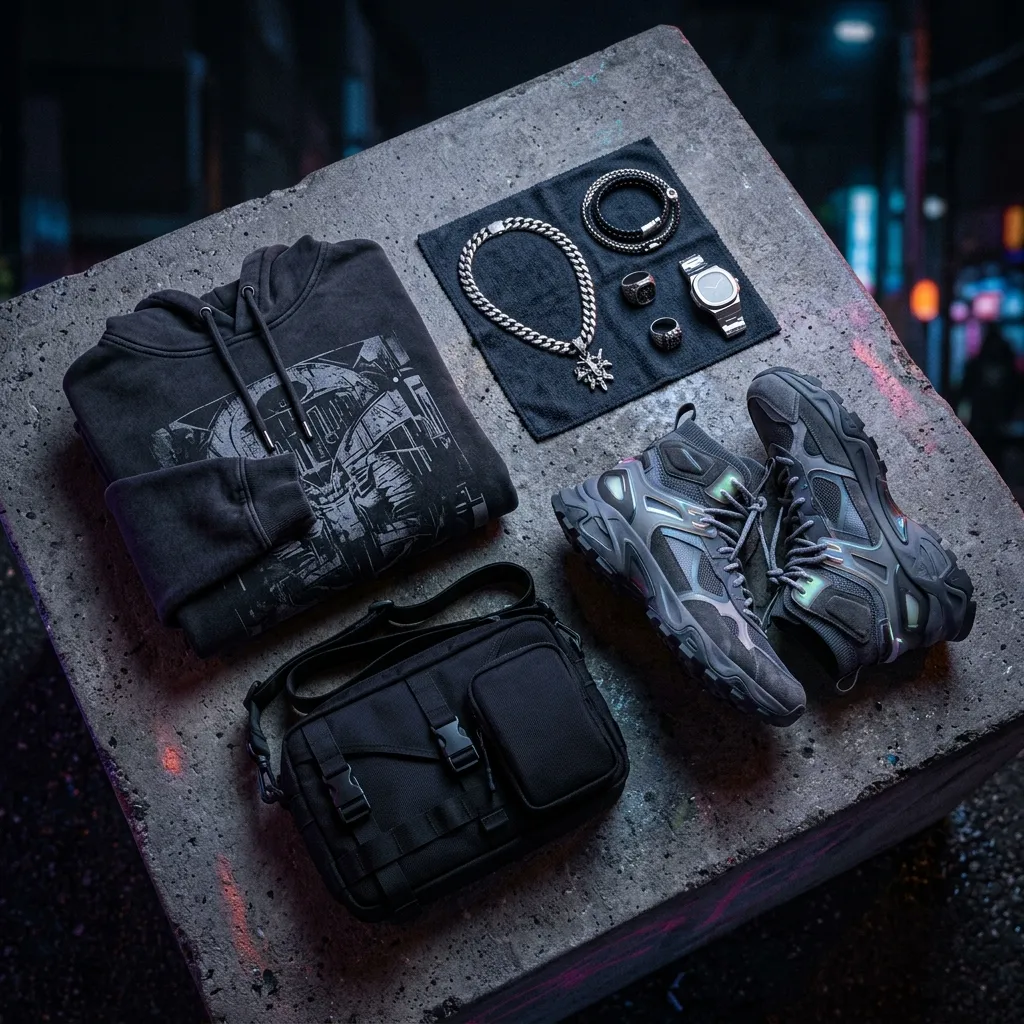
The Death of the Hypebeast Era
When our editorial team attended ComplexCon in Los Angeles last November, the shift in the atmosphere was undeniable. For the better part of a decade, these conventions were defined by “hypebeasts”—kids camping out for 48 hours just to buy a t-shirt with a massive box logo slapped across the chest. But walking the floor in late 2025 and moving into 2026, the giant logos were gone. The chaotic neon colorways had vanished. Instead, we saw a mature, deeply educated community inspecting the GSM (Grams per Square Meter) weight of hoodies, checking the stitching on Japanese selvedge denim, and prioritizing obscure, high-quality independent brands over massive corporate drops.
In 2026, the streetwear landscape has fundamentally evolved. We have officially entered the “Quality Culture” era. The artificial scarcity and logomania that defined the late 2010s have been replaced by a demand for substance, durability, and authentic storytelling. Streetwear is no longer a niche subculture of skaters and rappers; it is the dominant global fashion language. But to understand where the culture is heading, you must understand the concrete from which it grew.
This comprehensive guide breaks down the true history of streetwear, the brands currently dictating the pace of the industry, and the definitive trends you need to know to curate an authentic wardrobe in 2026.
Why Streetwear Matters: Identity Over Fabric
Fashion has historically been dictated from the top down—Parisian haute couture houses would decree what was stylish, and the masses would eventually follow. Streetwear is a grassroots fashion movement that originated in marginalized communities, prioritizing comfortable, durable clothing as a canvas for cultural and personal expression. It reversed the traditional fashion hierarchy; for the first time, the streets dictated what the luxury houses produced.
Understanding streetwear is essential because it is the visual language of hip-hop and urban culture. It is how we communicate our allegiances, our tastes, and our histories without speaking a word.
The Evolution: Hype Culture vs. Quality Culture
To understand the current landscape, we must compare the era we just left behind with the era we are currently building. Here is a breakdown of how the core tenets of streetwear have shifted in 2026:
| Aesthetic / Value | The “Hypebeast” Era (2015-2022) | The “Quality Culture” Era (2026) |
|---|---|---|
| Primary Driver | Artificial scarcity and celebrity co-signs | Fabric quality, construction, and brand ethos |
| Branding Style | Logomania (massive, highly visible logos) | Minimalist, subtle branding; “If you know, you know” |
| Color Palette | Neon, high-contrast, heavily patterned | Monochrome, earth tones (olive, beige, charcoal) |
| Fit & Silhouette | Exaggerated, uniformly oversized | Tailored oversized; mixed proportions (baggy top, straight leg) |
| Consumer Goal | Accumulation and resale value | Longevity and building a versatile daily rotation |
While the Hypebeast era was defined by who could spend the most money on a recognizable logo, the Quality Culture era is defined by who has the deepest knowledge of garment construction and independent design.
Step 1: Understanding the Three Pillars of Streetwear History
You cannot participate in the culture if you do not respect the architects. Streetwear was not invented by a single person; it was born from a collision of three distinct subcultures in the late 70s and 80s.
1. The Hip-Hop Pillar (New York)
In the Bronx and Harlem, early hip-hop pioneers created a completely new aesthetic by mixing athletic sportswear (tracksuits, Kangol hats, Adidas Superstars) with customized luxury items. Dapper Dan of Harlem is widely considered the godfather of luxury streetwear, having built an empire in the 1980s by bootlegging luxury logos onto custom street silhouettes that high-fashion houses refused to make for Black artists. This laid the foundation for hip-hop’s obsession with aspirational luxury.
2. The Surf & Skate Pillar (California)
While New York was establishing the luxury-street connection, Shawn Stüssy was shaping the West Coast aesthetic. Stüssy, a surfboard shaper, began printing his signature logo on t-shirts to sell alongside his boards. The skate and surf subcultures prioritized the “DIY” (Do It Yourself) ethos, creating graphic tees that served as wearable billboards for anti-establishment attitudes. Brands like Supreme eventually adopted this exact model in New York for the skate community.
3. The Ura-Hara Pillar (Japan)
In the 1990s, the “Ura-Harajuku” scene in Tokyo elevated streetwear to an art form. Visionaries like Hiroshi Fujiwara and Nigo (founder of A Bathing Ape) obsessed over American vintage clothing and hip-hop culture, blending it with meticulous Japanese craftsmanship and limited-run production techniques. They introduced the concept of highly curated, boutique streetwear retail.
Step 2: The Brands Defining 2026
The brands that matter today are the ones telling real stories and building genuine communities. If you are building a modern wardrobe, these are the labels setting the benchmark.
The Heritage Giants
- Stüssy: The brand that started it all is currently experiencing a massive renaissance. By pulling back from mall distribution and focusing on high-quality cut-and-sew pieces (cardigans, tailored trousers), Stüssy remains relevant across multiple generations.
- Supreme: While it no longer commands the manic hype of 2017, Supreme has settled into its role as the dependable bedrock of skate culture. Their accessories and obscure artist collaborations still hold weight for true collectors.
The Technical Innovators (Gorpcore Evolution)
- Arc’teryx: The transition from mountain gear to street uniform is complete. Arc’teryx is revered not for its logo, but for its uncompromising technical performance. Gore-Tex shells and temperature-adaptive mid-layers are essential for the modern utilitarian aesthetic.
- Reigning Champ: The Canadian masters of premium athletic wear. They represent the “Quality Culture” shift perfectly, offering heavy-weight, logo-free hoodies and sweatpants that last a lifetime.
The Community Disruptors
- Corteiz (CRTZ): Founded by Clint419 in London, Corteiz bypassed traditional retail entirely. They built a cult following through guerrilla marketing—forcing fans to run across the city for a chance to buy drops, or trading in their North Face jackets for a CRTZ puffer. They prove that community engagement beats corporate advertising.
- Aimé Leon Dore: Teddy Santis has perfected the “New York Nostalgia” aesthetic, seamlessly blending 90s hip-hop references with preppy, tailored menswear.
Step 3: Mastering the 2026 Aesthetics and Fits
The era of throwing on a box logo tee and calling it an outfit is over. Streetwear in 2026 requires intention and an understanding of proportions.
The Proportion Play
For years, the rule was simple: make everything oversized. Today, the most stylish individuals mix proportions. If you are wearing a heavily oversized, boxy hoodie, pair it with a straight-leg or slightly tailored cargo pant. If you are wearing aggressively baggy, parachute-style pants, balance it with a cropped, fitted jacket or a heavy-knit sweater that sits at the waist.
The “Quiet Streetwear” Approach
As luxury “quiet wealth” trends trickled down, streetwear adapted. The focus is now on texture over graphics. Instead of a printed t-shirt, opt for a waffle-knit thermal, a brushed mohair cardigan, or a garment-dyed heavy cotton overshirt. Let the drape and the fabric do the talking.
Technical Utility
Utilitarian clothing is a mainstay because it fits the fast-paced, urban lifestyle. Modular bags with magnetic buckles, waterproof ripstop nylon pants, and footwear designed for trail running (like Salomon or Hoka) are styled seamlessly with traditional hip-hop staples like fitted caps and heavy chains.
Best Practices for Curating Your Wardrobe
Building a respectable streetwear rotation does not require a massive budget; it requires discipline. Follow these core practices to build a timeless collection.
Invest in Core Basics First
Before you buy a loud, expensive centerpiece jacket, ensure your foundation is solid. You need perfect, heavy-weight blank t-shirts (look for anything over 200 GSM), a durable pair of versatile cargo pants, and a high-quality monochrome hoodie. These basics will act as the canvas for your more expressive pieces.
Research Before You Purchase
In the “Quality Culture” era, ignorance is expensive. Before spending $150 on a hoodie, read the tag. Is it 100% cotton? Is it loopback French terry or fleece-lined? Was it made in a factory known for ethical labor? Brands that hide their material composition are usually cutting corners.
Buy Vintage and Archive Pieces
The most respected outfits in 2026 feature at least one vintage piece. Whether it’s a faded 1990s rap tee, a distressed Carhartt Detroit jacket, or an archived piece from an early BAPE collection, vintage clothing adds immediate authenticity and ensures you won’t walk into a room wearing the exact same outfit as someone else.
Support Independent and Local Brands
The massive conglomerates have enough money. The true spirit of streetwear lives in the independent designers printing out of their garages and documenting their process on TikTok. Finding a local brand before it blows up gives you a personal connection to the garment that buying from a mega-corporation never will.
Common Mistakes to Avoid
Even veterans of the culture make styling errors. Avoid these common pitfalls to ensure your aesthetic remains sharp.
Mistake 1: Wearing Head-to-Toe Branding
Dressing like a walking billboard is the fastest way to look like a novice. Wearing a Gucci hat, a Supreme shirt, and Off-White sneakers simultaneously creates visual chaos and signals that you bought the clothes for the name, not the design. The Fix: Limit yourself to one visible logo per outfit. If your sneakers are loud and highly recognizable, mute the rest of your outfit with high-quality, unbranded basics.
Mistake 2: Ignoring Footwear Proportions
A great outfit is instantly ruined if the pants do not interact correctly with the sneakers. Wearing skin-tight jeans with massive, chunky sneakers makes your feet look comically large, while wearing massive parachute pants over slim, low-profile shoes makes you look like you have no feet at all. The Fix: Match the volume of your pants to the volume of your footwear. Chunky shoes (like the Nike Air Max 95 or Balenciaga Track) pair well with wider, baggy pants. Slimmer shoes (like the Adidas Samba or classic Converse) require a straight or slightly tapered leg.
Mistake 3: Following Trends Blindly
Buying a piece of clothing just because a rapper wore it or an influencer told you it was cool leads to a closet full of clothes you hate six months later. The Fix: Develop your own personal uniform. Identify the colors that compliment your skin tone and the silhouettes that flatter your body type. Only buy pieces that naturally integrate into your existing wardrobe.
Frequently Asked Questions (FAQ)
What is the difference between streetwear and high fashion?
Historically, high fashion was exclusive, expensive, and dictated by luxury houses in Paris and Milan, while streetwear was inclusive, affordable, and driven by youth culture in cities like New York and Tokyo. In 2026, the lines have almost completely blurred through endless collaborations, but true streetwear remains rooted in skate, surf, and hip-hop subcultures.
How do I tell if a streetwear brand is high quality?
Look past the logo and read the product description. High-quality streetwear garments typically feature a high GSM (Grams per Square Meter) weight, 100% natural fibers (like cotton or wool), reinforced stitching, and custom-milled hardware (like heavy-duty YKK zippers). If a brand relies heavily on polyester blends for standard t-shirts and hoodies, they are prioritizing profit margins over quality.
Are sneakers still the most important part of a streetwear outfit?
While sneakers remain a foundational element of the culture, their dominance has balanced out. In the 2010s, outfits were often built entirely around a rare sneaker. In 2026, the focus is holistic; the cut of the trousers and the quality of the outerwear are scrutinized just as heavily as the footwear. Furthermore, loafers and boots (like Timberlands or Clarks Wallabees) are incredibly popular alternatives.
Why are so many streetwear clothes oversized?
The oversized aesthetic originated in the 1990s out of necessity in marginalized communities (buying clothes a few sizes too big so children could grow into them) and was popularized by skaters needing mobility and hip-hop artists adopting the baggy aesthetic. Today, it remains popular because it provides superior comfort, creates interesting architectural silhouettes, and pushes back against restrictive, traditional tailoring.
Is it okay to mix competing brands (like Nike and Adidas)?
In traditional athletic wear, mixing competing sportswear brands was considered a faux pas. However, in modern streetwear, the rules are much more relaxed. While purists might still avoid wearing a Nike tracksuit with Adidas sneakers, blending high-end fashion with various streetwear labels and neutral basics is completely acceptable and encouraged.
The Future is Yours to Build
Streetwear is not a uniform you buy off a rack; it is a continuously evolving dialogue between the streets and the fashion industry. The “Quality Culture” shift of 2026 proves that the community is maturing, demanding better products, and refusing to be treated simply as consumers of hype.
By prioritizing quality over logos, understanding the rich history behind the garments, and developing your own distinct proportions, you can build a wardrobe that outlasts any fleeting trend.
Your outfit is sorted, but what are you listening to while you walk the streets? Complete your aesthetic by checking out our guide to the Best Headphones for Hip-Hop in 2026 to ensure your audio hits just as hard as your fit.