The Death of the Monoculture
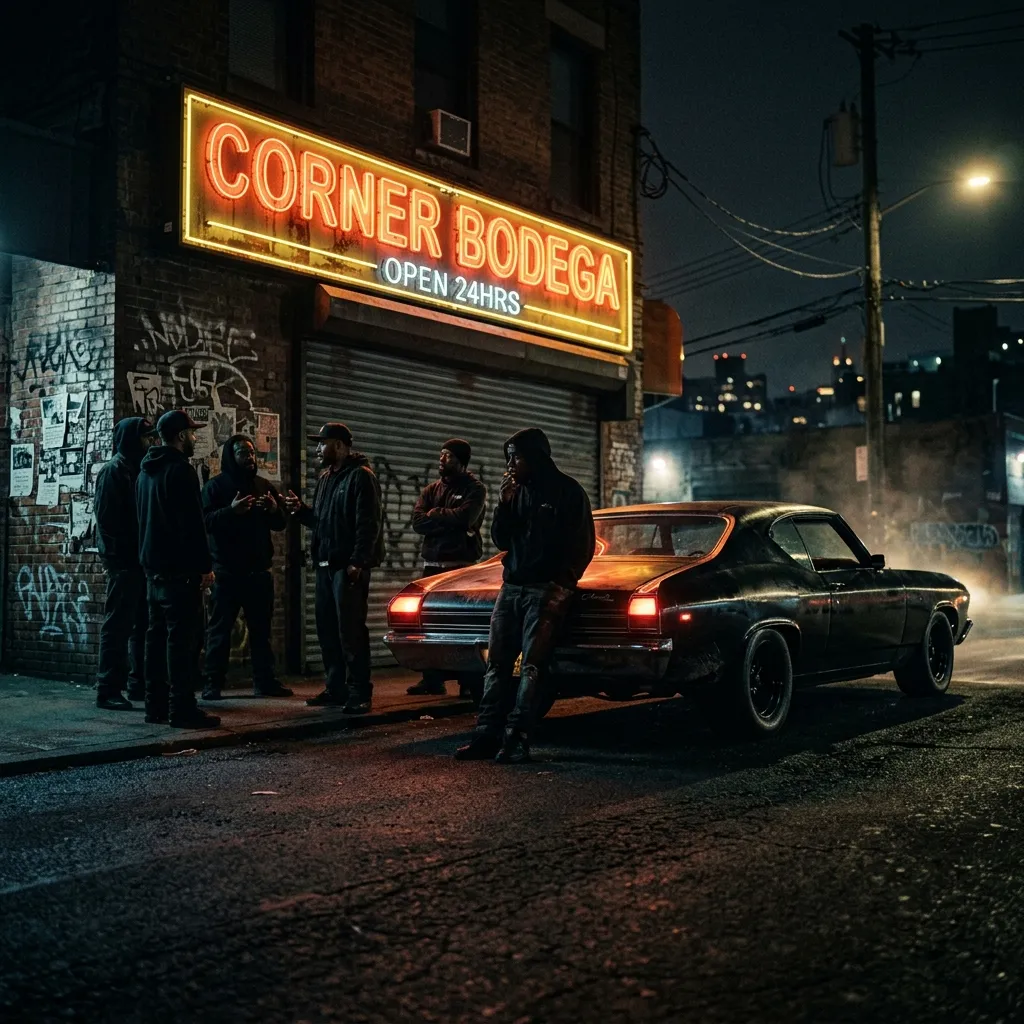
When our editorial team spent three days reporting from the RiverBeat festival in Memphis last month, the most striking observation was not the headliners; it was the parking lot. We heard five distinct, highly localized subgenres of rap blasting from car stereos before we even reached the front gates. In an era where the internet was supposed to flatten culture and make everyone sound exactly the same, the exact opposite has happened. Hyper-regional hip-hop scenes have become the lifeblood of the 2026 music industry.
For the last ten years, Atlanta dictated the sound of mainstream hip-hop. If an artist wanted to secure a major label deal, they had to move to Georgia and adopt a trap-heavy, melodic cadence. But in 2026, the industry structure has decentralized. The internet has allowed local scenes to build massive, sustainable micro-economies without ever needing the approval of New York, Los Angeles, or Atlanta.
If you are only listening to the Billboard Top 50, you are missing the actual innovation occurring at the ground level. This comprehensive guide breaks down the three most vital regional hip-hop scenes operating right now—Detroit, Memphis, and the United Kingdom—and explores exactly why these local sounds are quietly conquering the globe.
Why Regionalism is Winning in 2026
To understand why localized music is thriving, you must understand consumer fatigue. The mainstream market is currently flooded with algorithmically generated, focus-grouped pop-rap that sounds incredibly generic. Regional hip-hop is characterized by deeply specific local slang, unique rhythmic cadences, and localized production styles that reflect the exact socioeconomic environment of the city it was created in.
When listeners stream regional rap, they are not just looking for a catchy hook; they are seeking authenticity. They want to feel like they have been granted exclusive access to a secret club.
The Shift in Geographic Power
To grasp the magnitude of this shift, let’s compare how hip-hop’s geographical centers of power have evolved:
| Era | Dominant Region | Defining Sound | Primary Export |
|---|---|---|---|
| 1990s | East Coast / West Coast | Boom-Bap vs. G-Funk | Lyrical storytelling & cinematic production |
| 2000s | The South (Houston/New Orleans) | Chopped & Screwed, Bounce | Cash Money Records & Swishahouse |
| 2010s | Atlanta | Trap Music | 808-heavy beats & melodic flows |
| 2026 | Decentralized (Detroit/UK/Memphis) | Genre-Fluid, Fast Flows | Off-beat cadences & Afro-drill fusion |
We are no longer living in a unipolar hip-hop world. In 2026, artists in Detroit are collaborating with producers in London, creating hybrid sounds that bypass traditional industry gatekeepers entirely.
Scene 1: Detroit – The “Cold” Independent Powerhouse
Detroit has always been a city built on blue-collar grit, and its hip-hop scene reflects that exact ethos. While other cities chase TikTok virality, Detroit artists have built a deeply sustainable, independent ecosystem focused purely on street-level reporting.
The Sound of the Motor City
Detroit rap is immediately recognizable. It is characterized by fast, aggressive, off-beat (or “ahead of the beat”) flows, minimal production, and heavily synthesized, ominous basslines. It is often described as “Scam Rap” or “Dark Hustle” music because the lyrical content rarely focuses on glamorous luxury; instead, it provides highly technical, step-by-step narratives of street survival and financial maneuvering. The Detroit flow is intentionally conversational; it feels less like a performance and more like you are listening to someone talk rapidly on a burner phone.
The Key Architects of 2026
While legendary figures like Eminem and Big Sean brought Detroit to the masses, the current underground is anchored by a different lineage:
- Icewear Vezzo & Peezy: These two veterans are the foundational pillars of the current Detroit renaissance. They established the blueprint for building independent empires without major label interference, generating massive wealth purely through localized touring and direct-to-consumer merchandising.
- Payroll Giovanni: The undisputed king of “boss talk.” His music is smoother, heavily influenced by 80s synth-funk, and focuses on corporate ambition and financial literacy masked in street terminology.
- The Next Wave: A flood of younger artists are currently exporting the Detroit sound globally, utilizing the city’s frantic energy but pairing it with slightly more accessible, melodic trap beats to capture the East Coast markets.
Scene 2: Memphis – Reinvention & The Phonk Revival
Memphis, Tennessee, is arguably the most historically important city in Southern hip-hop, outside of Atlanta. Yet, for years, the mainstream industry treated it merely as a farm system for talent. In 2026, Memphis has reclaimed its throne by merging its legendary 1990s “horrorcore” aesthetic with modern stadium-level trap.
The Phonk Evolution
In the 1990s, Memphis legends like Three 6 Mafia and DJ Paul pioneered a sound characterized by distorted, lo-fi drum machines, heavy cowbells, and deeply sinister, occult-themed lyricism. Today, that aesthetic has birthed Memphis Phonk—a globally viral subgenre that mixes vintage Memphis vocal samples with aggressive, high-BPM electronic and drift music. While Phonk dominates the internet, the actual street-level rap in Memphis has retained that signature bounce and dark, heavy bass.
The Key Architects of 2026
Memphis in 2026 is experiencing a massive live music resurgence, heavily supporting its local legends on a national scale.
- Key Glock: Following the tragic passing of Young Dolph, Key Glock has stepped up to carry the torch for Paper Route Empire. In 2026, he is widely considered to be entering his absolute prime, delivering classic, feature-less albums that rely entirely on his immense charisma and flawless beat selection.
- GloRilla & Moneybagg Yo: While Key Glock rules the independent sphere, GloRilla and Moneybagg Yo remain the city’s dominant commercial exports, utilizing the heavy Memphis drawl to secure massive radio and club hits.
- Big30 & Deemula: These emerging artists represent the raw, unfiltered street culture of Memphis, delivering aggressive, highly energetic tracks that keep the city’s underground scene terrifyingly competitive.
Scene 3: The UK – The Genre-Fluid Underground Wave
If you still think the UK hip-hop scene is defined solely by grime artists rapping at 140 BPM, you are completely out of touch with the 2026 reality. The United Kingdom is currently producing the most experimental, genre-fluid rap in the world.
The Afro-Drill and Alt-Rap Convergence
The strict boundaries of UK Drill have shattered. In 2026, the most exciting artists are taking the heavy, sliding 808s of London drill and fusing them with the rhythmic bounce of African Afrobeats and the vulnerable, acoustic instrumentation of alternative R&B. This genre-fluid approach means a single track might feature a bossa nova guitar loop, a frantic drill drum pattern, and a melodic, auto-tuned hook delivered in a mix of London slang and Jamaican Patois.
The Key Architects of 2026
The UK scene is currently undergoing a massive generational shift, led by independent artists utilizing TikTok and Discord to bypass the BBC Radio gatekeepers.
- EsDeeKid: Hailing from Liverpool, EsDeeKid is the breakout star of the year. He has taken the aggression of regional UK drill but paired it with deeply complex, multisyllabic lyricism, generating millions of Spotify streams and proving that massive UK stars do not have to come from London.
- fakemink & Jim Legxacy: These London-based artists are the masters of the hybrid sound. They frequently sample 2000s American R&B and emo-rock, speeding up the vocals and layering them over complex, syncopated drum patterns to create a sound that is both nostalgic and entirely futuristic.
- N4T: Blending the raw textures of the Northern UK with incredibly danceable Afrobeat rhythms, N4T represents the global future of the genre, making music that performs equally well in a gritty basement club and a massive European festival.
Best Practices for Navigating Regional Scenes
If you are looking to dive into these regional sounds or expand your own artistic palette, you must approach them with cultural respect and a willingness to dig deep.
Learn the Local Lexicon
You cannot fully appreciate Detroit or UK rap if you do not understand the slang. Regional rap is heavily coded. Spend time on platforms like Genius or dedicated regional hip-hop forums to decipher the terminology. A line that sounds nonsensical to an outsider is often a brilliant, hyper-specific double entendre to a local.
Support the Regional Producers
In regional scenes, the producers are just as important (if not more so) than the vocalists. The Detroit sound was built by producers like Helluva and Enrgy Beats. If you want to find the next great underground artist in a specific city, look at the tracklist of a prominent regional producer and see who else they are sending beats to.
Do Not “Culture Vulture” the Sound
If you are an aspiring artist, there is a massive difference between drawing inspiration from a regional scene and outright stealing its identity. If you are from suburban California, do not start rapping with a forced London accent or using specific Memphis gang terminology. Draw inspiration from the drum patterns or the mixing techniques, but apply them to your own authentic, lived experience.
Common Misconceptions About Regional Hip-Hop
Mainstream audiences often write off regional scenes due to deeply ingrained biases. Clear these misconceptions to truly appreciate the music.
Mistake 1: Assuming Fast Flows Equal “Off-Beat”
When first listening to Detroit rap, many listeners complain that the artist is “rapping off-beat.” The Reality: The Detroit flow is intentionally syncopated. They are not missing the beat; they are deliberately rapping a fraction of a second ahead of the snare drum to create a sense of urgency and chaotic momentum. It requires immense breath control and technical skill to execute consistently without the song falling apart.
Mistake 2: Thinking UK Rap is Just an American Imitation
Historically, critics dismissed UK hip-hop as a poor imitation of New York or Atlanta styles. The Reality: By 2026, the influence has actually reversed. Top American artists (like Drake and Travis Scott) frequently travel to London to work with UK producers and adopt UK flows. The UK has completely solidified its own unique sonic identity, heavily influenced by its Caribbean and African diaspora populations.
Mistake 3: Believing Regional Scenes Lack “Lyricism”
Because regional scenes often prioritize “vibe” and heavy bass, traditionalists assume the artists lack pen game. The Reality: Regional rap often features the most complex lyricism in the industry; it just isn’t delivered in a traditional 90s boom-bap format. The punchlines in Detroit scam rap or the intricate storytelling in Memphis street rap require an incredibly high level of vocabulary and structural understanding.
Frequently Asked Questions (FAQ)
What is “Drift Phonk”?
Drift Phonk is a highly aggressive subgenre of electronic music that originated in Russia but heavily samples 1990s Memphis rap vocals (like Three 6 Mafia). It is characterized by high tempos, distorted cowbells, and heavily compressed bass. In 2026, it is incredibly popular on TikTok, particularly in videos featuring street racing or drifting cars.
Why do Detroit rappers rarely use choruses?
The Detroit style is heavily focused on continuous, relentless storytelling. For many artists in the scene, breaking for a melodic, repetitive 30-second chorus ruins the momentum of the verse. Instead, they rely on a constant barrage of punchlines to keep the listener engaged from start to finish.
How did the UK Drill sound originate?
UK Drill actually originated in Chicago in the early 2010s (pioneered by artists like Chief Keef). Producers in London (like AXL Beats) took the dark, violent themes of Chicago drill, but sped up the tempo and altered the drum patterns, introducing the iconic “sliding 808” basslines that eventually became the signature sound of the UK scene.
Can an artist be successful if they only focus on their regional market?
Absolutely. The internet allows artists to monetize their local fanbase with incredible efficiency. An artist who is a superstar in Memphis can easily generate a multi-million dollar career purely through regional touring, local brand partnerships, and direct-to-consumer merchandise sales, without ever needing a platinum record on the national Billboard charts.
What city will be the next major regional powerhouse?
While it is impossible to predict with absolute certainty, industry A&Rs in 2026 are heavily scouting scenes in the Carolinas (North and South) and Texas (beyond just Houston). These areas are currently developing massive independent ecosystems and unique, aggressive sounds that are bubbling just beneath the mainstream radar.
Tap Into the Underground
The beauty of hip-hop in 2026 is its boundless diversity. You are no longer restricted to whatever a major label executive in New York decides to push to the radio. By tapping into the raw energy of Detroit, the historical bounce of Memphis, or the genre-fluid innovation of the UK, you can discover sounds that are entirely uncompromised.
Now that you know what cities are driving the culture, you need to know who exactly is holding the microphone. Expand your playlist immediately by checking out our guide to the 10 Underground Rappers You Need to Hear Right Now in 2026.