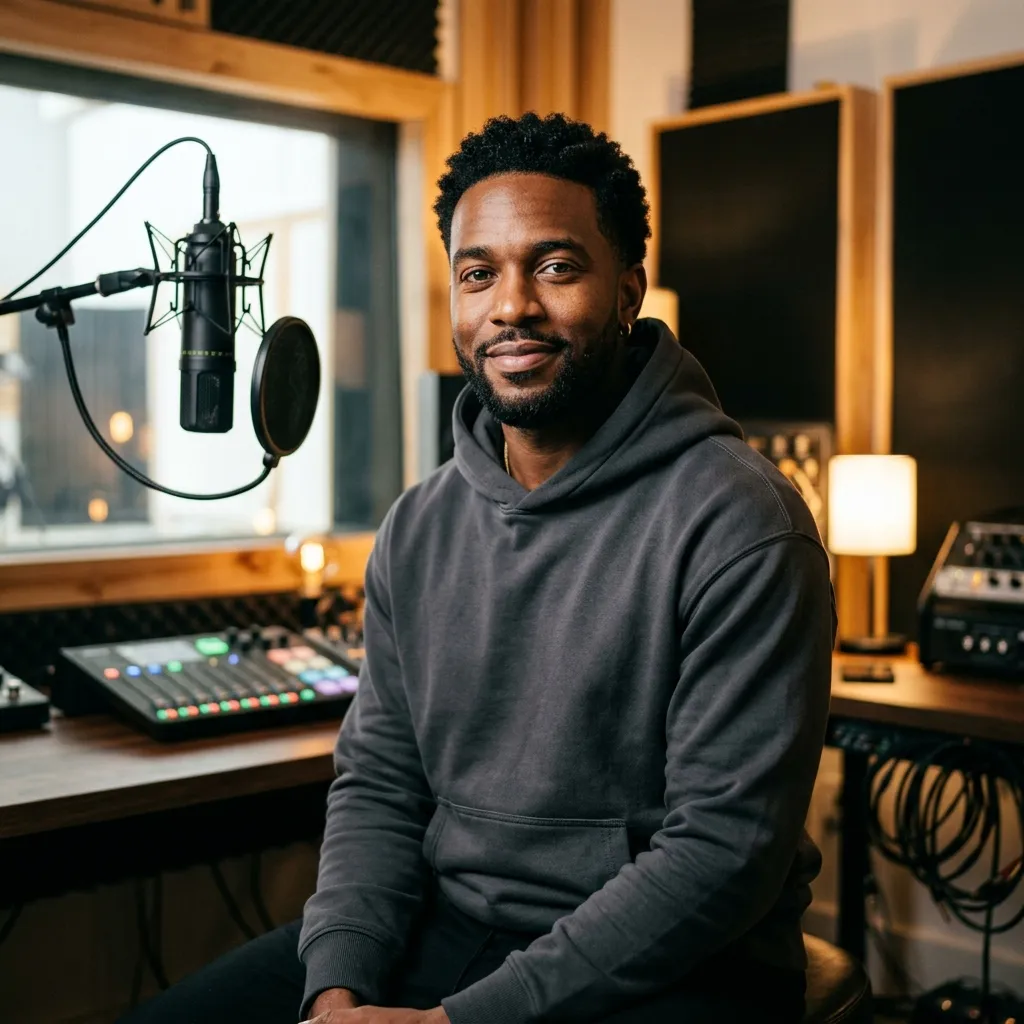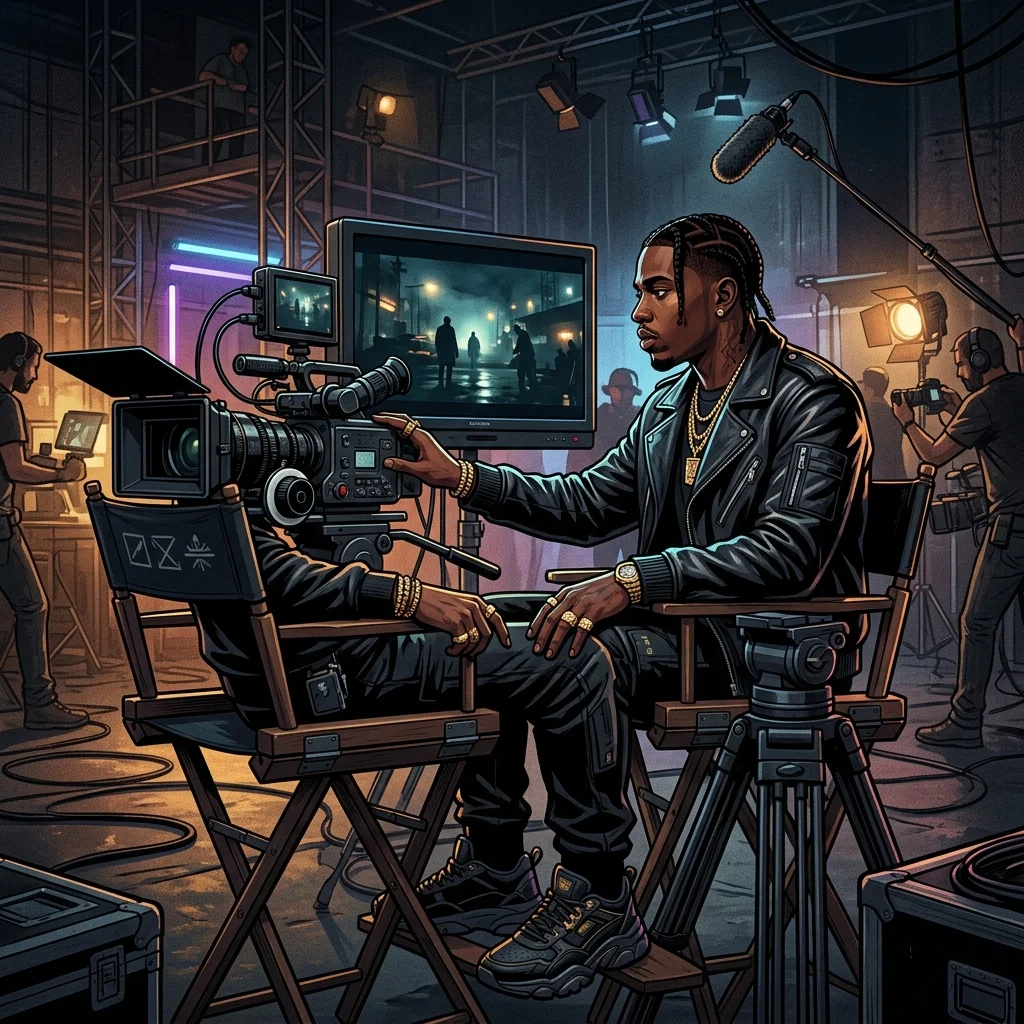
When the Academy Awards concluded earlier this year, the most discussed narrative wasn’t about legacy filmmakers; it was about the undeniable dominance of hip-hop visionaries behind the camera. For decades, Hollywood viewed rappers as convenient marketing tools—casting them in supporting roles to attract a younger demographic. But in 2026, the dynamic has completely inverted. Hip-hop is no longer just starring in Hollywood’s movies; hip-hop is directing, funding, and writing them.
This evolution from the recording booth to the director’s chair represents a massive cultural shift. Artists who spent their youth meticulously crafting cinematic, narrative-driven concept albums have realized that the traditional film industry is desperate for authentic, visceral storytelling.
In this deep dive, we will analyze why the modern hip-hop artist is perfectly equipped to direct feature films, the rise of the “Rapper-Producer” in the indie horror scene, and how independent musicians can begin syncing their art into the cinematic universe.
The Transition: From Cameos to the Director’s Chair
In the 1990s and 2000s, the blueprint for a rapper entering Hollywood was rigid: star in a buddy-cop comedy or a gritty urban drama. While artists like Ice Cube and Will Smith broke massive ground, the creative control still largely resided with traditional studio executives.
Fast forward to 2026, and the landscape is unrecognizable. Artists like Donald Glover (Childish Gambino) and Boots Riley laid the groundwork for surrealist, socially conscious filmmaking. Today, we see platinum-selling artists completely bypassing the major studio system. They are launching their own production companies (like Kendrick Lamar’s pgLang), securing independent financing, and utilizing their massive dedicated fanbases to guarantee box office returns without needing a traditional marketing budget.
Why are rappers such effective directors? Because modern hip-hop production is inherently cinematic. Crafting a cohesive 14-track album requires world-building, pacing, sequencing, and the ability to manage a massive team of producers and engineers—skills that directly translate to managing a film set.
| Rapper-Led Film Model (2026) | Traditional Studio Model (2026) |
|---|---|
| Financing | Independent / Brand Partnerships |
| Marketing Strategy | Direct-to-Fan via Socials & Discord |
| Creative Control | 100% Autonomy (Final Cut Privilege) |
| Genre Focus | Elevated Indie Horror, Surrealist Drama |
If you want to understand how deep narrative structures work in music, take a look at our breakdown of the Top Influential Hip-Hop Albums.
Step 1: The Indie Horror Takeover
One of the most fascinating trends of 2026 is the influx of hip-hop artists into the indie horror genre. Production companies founded by musicians are dominating the space traditionally held by studios like A24 or Blumhouse.
Why Horror?
Horror is the most profitable genre in Hollywood. It requires low budgets, relies heavily on atmosphere (which hip-hop artists excel at creating), and doesn’t require A-list actors to sell tickets. A rapper can fully finance a $2 million psychological horror film, use their platform to market it, and see a massive return on investment, bypassing the traditional Hollywood gatekeepers entirely.
The Sonic Advantage
When a hip-hop artist directs a thriller, the sound design is inherently superior. They understand sub-bass frequencies, pacing, and tension better than traditional directors. The soundtracks are no longer afterthoughts; they are deeply integrated into the narrative fabric of the film.
Step 2: Scoring and Sync Placement for Independent Artists
You don’t have to direct a feature film to break into Hollywood. For independent artists, securing a sync placement (getting your music in a movie, TV show, or trailer) is one of the most lucrative avenues in 2026.
Creating “Syncable” Music
Music supervisors (the people who pick music for films) are rarely looking for lyrical miracles. They are looking for mood. If you want to secure placements, you need to create tracks with clear emotional arcs—building tension, climaxing, and fading out. Instrumental versions of your tracks are often more valuable to a supervisor than the vocal versions, as they won’t clash with the film’s dialogue.
Building the Right Network
Do not blindly email Netflix executives. The key to sync placement is connecting with independent music supervisors on platforms like LinkedIn, or working through boutique sync licensing agencies that already have relationships with major studios.
Step 3: Visual World-Building for Musicians
If your ultimate goal is to transition into film, you must start by treating your music videos as short films.
Ditch the Performance Video
The era of the “performance video”—where a rapper simply lipsyncs in front of an expensive car—is dead. In 2026, fans demand narrative. Use your music videos to establish a cinematic universe. Hire actual cinematographers, write a script, and focus on visual storytelling rather than just looking cool for the camera.
The Visual Album
If you have the budget, the “visual album” remains a powerful tool. Releasing a 30-minute short film that encompasses your entire project proves to Hollywood executives that you understand long-form pacing and narrative structure.
Pro Tips for Breaking into the Cinematic Space
1. Master the Treatment
Before a film is greenlit, a director must write a “treatment”—a visual document outlining the mood, color palette, and narrative arc of the project. Practice writing treatments for your own music videos. A strong treatment proves you have a clear, executable vision.
2. Study the Greats
You cannot become a great director if you only watch music videos. You must study cinema. Understand how directors like Scorsese, Tarantino, or modern auteurs like Jordan Peele use camera movement to convey emotion. Your visual vocabulary needs to expand beyond the hip-hop ecosystem.
3. Keep Your Publishing
If a studio approaches you to use your song in a film trailer, they will often try to take a percentage of your publishing rights in exchange for the placement. Unless the upfront fee is life-changing, fight to retain 100% of your publishing. The backend royalties from a major cinematic release can sustain your career for years.
4. Build a Team of Specialists
Just as you wouldn’t let your manager mix your album, do not try to edit, color-grade, and direct your film alone. Build a network of hungry, talented DPs (Directors of Photography) and editors who understand your vision. Film is a highly collaborative medium.
Common Mistakes When Bridging Hip-Hop and Film
Mistake 1: Relying Solely on Star Power
The Fix: A film starring a famous rapper will get initial streams, but if the writing and directing are terrible, the audience will tune out in 10 minutes. Do not assume your Spotify numbers guarantee a successful film. You must respect the craft of filmmaking and put the narrative first.
Mistake 2: Ignoring Sound Design
The Fix: It is shocking how many musicians release short films with terrible audio mixing. The dialogue is too quiet, and the music is too loud. You must understand that mixing for a cinematic environment (which relies heavily on dynamic range) is entirely different from mastering a track for Apple Music.
Mistake 3: Over-Saturating with Cameos
The Fix: Sticking five of your famous friends into your indie film for brief cameos breaks the audience’s immersion. Cast actors who fit the roles perfectly, regardless of their social media following. Authenticity on screen is more valuable than a retweet.
Frequently Asked Questions
Do I need to go to film school to direct?
Absolutely not. In 2026, the barrier to entry for filmmaking is lower than ever. High-end consumer cameras shoot in 4K, and editing software is highly accessible. The best film school is shooting your own music videos, making mistakes, and learning on set.
How much does a sync placement pay in 2026?
It varies wildly. A background placement on an indie MTV show might pay $1,000 to $3,000. Landing a song in a major Marvel trailer or an Apple commercial can easily command $50,000 to $150,000 upfront, plus ongoing performance royalties.
What is a Music Supervisor?
A music supervisor is the creative executive responsible for selecting and licensing the music for a film, television show, or video game. They act as the bridge between the film director’s vision and the music industry.
Can independent artists score films?
Yes. Many indie filmmakers cannot afford Hans Zimmer. They are actively looking for innovative, electronic, and hip-hop producers to create unique, gritty scores for their projects. Reach out to student filmmakers or indie directors on social media and offer to score their short films to build your portfolio.
Why are so many rappers making horror movies?
Horror is deeply tied to tension, rhythm, and atmosphere—the exact same elements that make a great hip-hop track. Furthermore, horror audiences are incredibly dedicated, and the films are cheap to produce, making it the smartest financial entry point into Hollywood.
A New Era of Storytelling
The era of the hip-hop artist being confined solely to audio is definitively over. In 2026, the most successful creators view themselves as multimedia storytellers, with music simply serving as the foundation of a much larger cinematic universe.
By understanding the mechanics of Hollywood, treating your visual content with the same reverence as your audio, and demanding creative control, you can transcend the music industry and leave a lasting mark on cinema. Ensure your foundational business knowledge is strong by reviewing our guide on Hip-Hop Business Empires in 2026. The director’s chair is yours for the taking.